Your Complete Summer Nutrition Guide for Bangladesh
Content verified against peer-reviewed research from NIH/PubMed, WHO, BIRDEM, and ICDDR,B. Named clinical experts are cited throughout each article. For informational purposes only — not a substitute for medical advice. Our editorial standards →
April has arrived in Bangladesh — and with it, temperatures that regularly hit 38–42°C in Dhaka, Chittagong, and across the country. Load-shedding cuts the fan at the worst times. Rickshaw rides feel like walking through an oven. And most people are eating the same heavy winter meals that are now doing real harm in this heat.
What you eat has a direct, measurable effect on how well your body handles heat. The right foods keep you cool from the inside, prevent dangerous dehydration, and maintain your energy. The wrong foods — eaten at the wrong times — raise your core body temperature, increase sweating, and dramatically raise your risk of heatstroke.
This guide covers everything you need — all using foods available right now at your local bazar, for everyday Bangladeshi prices.
Why Summer Nutrition Is Different in Bangladesh
Bangladesh’s summer is not like summer in Europe or North America. Between April and June, humidity regularly exceeds 80%, temperatures can stay above 35°C even after sunset, and power cuts mean many homes have no cooling for hours at a time. This combination is genuinely dangerous — Bangladesh records hundreds of heatstroke cases and deaths every summer.
Your body loses far more water and electrolytes in this environment than it does in cooler weather. You need to eat and drink differently to compensate. The good news? Most of what your body needs is cheap, local, and in season right now.
🌡️ Key fact: In 38°C heat with high humidity, an active person in Bangladesh can lose 1–1.5 litres of water per hour through sweat. Most people replace far less than this — which is why afternoon fatigue, headaches, and ‘weakness’ are so common in summer.
Top Cooling Foods Available Right Now at Your Bazar
These are the best foods for summer in Bangladesh — all seasonal, all affordable, and all proven to help your body manage heat:
| Food | Why it helps in heat | Approx. cost |
|---|---|---|
| 🍉 Watermelon (tarbuj) | 92% water, lycopene antioxidant, natural electrolytes | ৳25–40/kg |
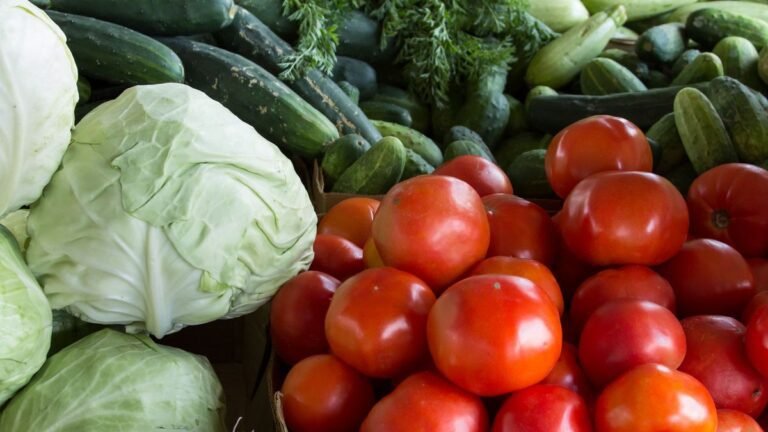
| 🥒 Cucumber (shesha) | 96% water, silica for skin, cools body temperature | ৳15–25/kg |
| 🥭 Mango (aam) | Vitamin C, beta-carotene, natural sugars for energy | ৳60–120/kg (now in season) |
| 🌴 Coconut water (daab) | Nature’s best electrolyte drink — potassium, sodium, magnesium | ৳30–50/piece |
| 🍋 Lemon (lebu) | Vitamin C, aids digestion, excellent in water/sharbat | ৳5–10 each |
| 🥛 Dahi / yogurt | Probiotics, cools the gut, excellent with fruit or lassi | ৳40–60/250g |
| 🌱 Mint (pudina) | Menthol activates cooling sensation, excellent in drinks | ৳5–10/bunch |
| 🐟 Small fish (mola, koi) | Light protein that doesn’t heat the body, unlike red meat | ৳80–150/kg |
💡 Bazar tip for April 2026:Right now, watermelon and cucumbers are flooding markets across Bangladesh at their cheapest prices of the year. Early mangoes (like Gopalbhog and Himsagar from Rajshahi) are also starting to appear. This is the best time to stock up on these cooling foods.
The Hydration Guide for Bangladesh’s Summer Heat
Hydration is the single most important factor for staying healthy in a Bangladesh summer. Most adults should drink 3–4 litres of fluid per day in this heat — significantly more than the standard ‘8 glasses a day’ advice. But the type of fluid matters too.
Best summer drinks ranked
- ✅ #1 — Plain water with a squeeze of lemon and a pinch of salt: replaces water AND electrolytes lost in sweat. Cost: almost nothing.
- ✅ #2 — Daab (green coconut water): the gold standard of natural rehydration. One daab has all the electrolytes a healthy person needs. Cost: ৳30–50.
- ✅ #3 — Homemade sharbat: lemon juice + water + a pinch of salt + a teaspoon of sugar. A DIY oral rehydration solution that costs ৳5–8 per glass.
- ✅ #4 — Lassi (dahi blended with water and a pinch of salt): cooling, probiotic, and hydrating. Excellent in the afternoon.
- ⚠️ Avoid — Sugary bottled drinks (Coke, Fanta, energy drinks): high sugar actually increases dehydration and spikes then crashes your energy.
- ⚠️ Limit — Tea and coffee: mild diuretic effect. Fine in moderation but should not count toward your water quota.
🛒 Stay hydrated all day:
Electrolyte-Rich Foods and Snacks
A double-wall insulated water bottle keeps your lemon water or sharbat cold for hours even in Dhaka’s heat — no need for a fridge. Currently from ৳350 on Daraz, with many options under ৳600.
📢 Disclosure: This article contains affiliate links to Daraz. If you buy through our links, we earn a small commission at no extra cost to you — this helps keep our content free.
Foods to Avoid or Limit in the Summer Heat
Just as important as what you eat is what you avoid. These common foods make summer significantly harder on your body:
- 🔴 Heavy fried foods (paratha, fried chicken, bhorta with excess oil): digestion requires heat — a large fatty meal raises your core temperature. Switch to lighter cooking methods in summer.
- 🔴 Red meat (beef, mutton) at lunch: produces significantly more metabolic heat than fish or lentils. Save it for cooler evening meals, and in smaller portions.
- 🔴 Spicy food at the wrong time: very spicy curries cause vasodilation and sweating — fine in cooler seasons, but in summer heat this accelerates dehydration.
- 🔴 Eating large portions: smaller, more frequent meals keep your digestive heat lower. Instead of two large meals, try three or four smaller ones.
- 🔴 Skipping breakfast: your body needs morning fuel to regulate temperature and blood sugar all day. A light breakfast prevents the energy crashes that hit at midday in the heat.
A Sample Summer Day Meal Plan for Bangladesh
Here is a practical full-day meal plan designed specifically for Bangladesh’s summer — light, cooling, affordable, and nutritionally complete:
☀️ Morning (before 9am)
- 1 glass of water with lemon and a pinch of salt — immediately on waking (৳3)
- 1–2 boiled eggs OR a small bowl of flattened rice (chira) soaked in cold water with banana (৳20–30)
- Sliced cucumber or watermelon on the side (৳10)
🌤️ Mid-morning (10–11am)
- 1 daab (coconut water) OR homemade sharbat — essential if you’ve been outside or commuting (৳30–50)
- 1 ripe mango (seasonal, in-bazar now) (৳15–20)
🌞 Lunch (keep it light)
- Smaller rice portion than normal — today is not the day for a full plate (৳10)
- Light masur dal (cooked with minimal oil and turmeric) (৳15)
- Steamed or lightly fried small fish — NOT beef or heavy meat (৳25–30)
- Cucumber salad with lemon and salt (৳8)
🌅 Afternoon (3–5pm — hardest part of the day)
- Chilled lassi OR sliced watermelon — this is your priority right now (৳15–25)
- Avoid eating a heavy snack at this time — your body is working hard to manage heat
🌙 Dinner (after 7pm, when it’s slightly cooler)
- 2 rotis OR light rice portion (৳10–15)
- Mixed vegetable curry with seasonal vegetables — lauki, shim, potol (৳20–25)
- Dal or chicken (in moderate portion) (৳20–30)
- A small cup of plain dahi after dinner — helps digestion and gut health (৳15)
✅ Full day total: approximately ৳180–220 — a genuinely cooling, nutritionally complete summer diet.
Eating Smart During Load-Shedding Hours
One of the unique challenges of summer in Bangladesh is load-shedding. When the power cuts out — often in the hottest part of the day — your kitchen becomes unbearably hot, the fan stops, and cooking a full meal feels impossible. Here’s how to plan around it:
- Cook your main meals early in the morning (before 9am) or late in the evening (after 8pm) — when both outdoor temperatures and load-shedding are less likely to be at their peak.
- Keep no-cook foods ready for load-shedding hours: watermelon, cucumber, bananas, soaked chira, yogurt, hard-boiled eggs. None of these need cooking.
- A thermos flask filled with cold lemon sharbat in the morning stays cold for 4–6 hours — no electricity needed in the afternoon.
- If you must cook during a power cut, use the smallest possible gas flame for the shortest possible time. Every minute of cooking in a sealed, hot kitchen is hard on your body.
⚠️ Know the warning signs of heat exhaustion:If you or someone around you experiences heavy sweating, weakness, cold or pale skin, fast weak pulse, nausea, or fainting — this is a medical emergency. Move to a cool place immediately, give water with salt, and if symptoms don’t improve within 30 minutes, go to a hospital.
🌿 The bottom line: Bangladesh summer is manageable with the right foods. Eat light, drink more than you think you need, choose cooling seasonal foods over heavy winter habits, and plan meals around load-shedding hours. Your body has everything it needs — available at your local bazar, right now.
Meal Planning for Bangladesh Summers
📚 Complete your Bangladesh summer health guide:
→ Exercise Tips for Bangladesh’s Summer Heat — how to stay active during Dhaka’s hottest months
→ 10 Bangladeshi Superfoods in Your Kitchen — local foods with science-backed health benefits
→ Eating Healthy on a Budget in Bangladesh — affordable seasonal eating for Dhaka families
⚕️ Medical Disclaimer
The information on this page is for general educational purposes only and is not a substitute for professional medical advice, diagnosis, or treatment. Always consult a qualified physician or healthcare provider before making changes to your diet, exercise routine, or health regimen — especially if you have a pre-existing condition such as diabetes, hypertension, or heart disease. In Bangladesh, seek evidence-based medical guidance from DGHS Bangladesh, BIRDEM, or your nearest government hospital.
Frequently Asked Questions
When Ramadan overlaps with Bangladesh’s summer, the combination of fasting and extreme heat creates unique nutritional challenges. MOHFW Bangladesh’s Ramadan guidelines recommend: break fast (Iftar) with 2–3 dates and water first to rapidly stabilise blood sugar; avoid heavy fried Iftar items; eat a substantial Sehri with complex carbohydrates (oats, brown rice, roti) and protein (eggs, dal, fish) to sustain energy; drink 2–2.5 litres of water between Iftar and Sehri; avoid tea and coffee (dehydrating); and skip outdoor activity between 11 AM and 5 PM during summer Ramadan.
Sources: MOHFW Bangladesh | WHO: Heat and Health
Yes — for most healthy adults, fresh coconut water is safe and beneficial daily during Bangladesh’s summer. One medium coconut provides: potassium (470mg — more than a banana), sodium (25mg), magnesium (25mg), and natural glucose — one of nature’s best electrolyte solutions. WHO dietary guidelines recognise coconut water as a beneficial natural hydration source in tropical climates. Important: people with kidney disease or on potassium-restricting medication should limit intake and consult BIRDEM or their physician.
Sources: WHO: Healthy Diet | DGHS Bangladesh | BIRDEM
Yes — severely. IEDCR Bangladesh reports significant spikes in heat-related illness hospital admissions during April–June. Dehydration progresses: mild (thirst, dark urine, reduced concentration) → moderate (dizziness, headache, dry mouth) → severe (rapid heart rate, confusion, inability to urinate) → heat stroke (body temperature above 40°C, organ failure — medical emergency requiring immediate hospitalisation). The WHO identifies dehydration as a primary preventable cause of heat-related hospitalisation. Recognise the signs — act early.
Sources: IEDCR Bangladesh | WHO: Heat and Health
Frequently Asked Questions on Summer Nutrition
The WHO Heat and Health Guidelines recommend significantly increasing fluid intake in hot weather. In Dhaka’s April–June temperatures above 35°C, adults doing light activity should drink 2.5–3.5 litres per day; those doing moderate outdoor activity should drink 500ml every 30 minutes. Critical rule: don’t wait until you feel thirsty — thirst means you’re already 1–2% dehydrated. Indicator: pale yellow or clear urine = hydrated. Dark yellow or orange urine = drink immediately.
Source: WHO: Heat and Health
Bangladesh’s summer months bring a natural abundance of the most effective cooling foods. The WHO Heat and Health Guidelines identify high-water-content foods (above 90% water) as the most effective dietary tools for heat management. Top Bangladeshi cooling foods: watermelon (তরমুজ, ৳30–50/kg, 92% water); green coconut water (ডাবের পানি, ৳25–40 each, natural electrolytes); cucumber (শসা, ৳20–35/kg, 95% water); ripe mango (আম, vitamins A and C); and yoghurt/dahi (দই, probiotic cooling food).
Source: WHO: Heat and Health
When Ramadan overlaps with Bangladesh’s summer, the combination of fasting and extreme heat creates unique nutritional challenges. MOHFW Bangladesh’s Ramadan guidelines recommend: break fast (Iftar) with 2–3 dates and water first to rapidly stabilise blood sugar; avoid heavy fried Iftar items; eat a substantial Sehri with complex carbohydrates (oats, brown rice, roti) and protein (eggs, dal, fish) to sustain energy; drink 2–2.5 litres of water between Iftar and Sehri; avoid tea and coffee (dehydrating); and skip outdoor activity between 11 AM and 5 PM during summer Ramadan.
Sources: MOHFW Bangladesh | WHO: Heat and Health
Additional Summer Nutrition Tips
Yes — for most healthy adults, fresh coconut water is safe and beneficial daily during Bangladesh’s summer. One medium coconut provides: potassium (470mg — more than a banana), sodium (25mg), magnesium (25mg), and natural glucose — one of nature’s best electrolyte solutions. WHO dietary guidelines recognise coconut water as a beneficial natural hydration source in tropical climates. Important: people with kidney disease or on potassium-restricting medication should limit intake and consult BIRDEM or their physician.
Sources: WHO: Healthy Diet | DGHS Bangladesh | BIRDEM
Yes — severely. IEDCR Bangladesh reports significant spikes in heat-related illness hospital admissions during April–June. Dehydration progresses: mild (thirst, dark urine, reduced concentration) → moderate (dizziness, headache, dry mouth) → severe (rapid heart rate, confusion, inability to urinate) → heat stroke (body temperature above 40°C, organ failure — medical emergency requiring immediate hospitalisation). The WHO identifies dehydration as a primary preventable cause of heat-related hospitalisation. Recognise the signs — act early.
Sources: IEDCR Bangladesh | WHO: Heat and Health
More Summer Nutrition Questions
The WHO Heat and Health Guidelines recommend significantly increasing fluid intake in hot weather. In Dhaka’s April–June temperatures above 35°C, adults doing light activity should drink 2.5–3.5 litres per day; those doing moderate outdoor activity should drink 500ml every 30 minutes. Critical rule: don’t wait until you feel thirsty — thirst means you’re already 1–2% dehydrated. Indicator: pale yellow or clear urine = hydrated. Dark yellow or orange urine = drink immediately.
Source: WHO: Heat and Health
Bangladesh’s summer months bring a natural abundance of the most effective cooling foods. The WHO Heat and Health Guidelines identify high-water-content foods (above 90% water) as the most effective dietary tools for heat management. Top Bangladeshi cooling foods: watermelon (তরমুজ, ৳30–50/kg, 92% water); green coconut water (ডাবের পানি, ৳25–40 each, natural electrolytes); cucumber (শসা, ৳20–35/kg, 95% water); ripe mango (আম, vitamins A and C); and yoghurt/dahi (দই, probiotic cooling food).
Source: WHO: Heat and Health



One Comment