How to Improve Gut Health Naturally — A Bangladesh Guide
Content verified against peer-reviewed research from NIH/PubMed, WHO, BIRDEM, and ICDDR,B. Named clinical experts are cited throughout each article. For informational purposes only — not a substitute for medical advice. Our editorial standards →
Improve Gut Health Naturally Bangladesh: Step-by-Step Guide
Bloating after meals. Constant acidity. Irregular digestion. If any of these feel familiar, you are not alone — gut problems are among the most common health complaints in Bangladesh today.
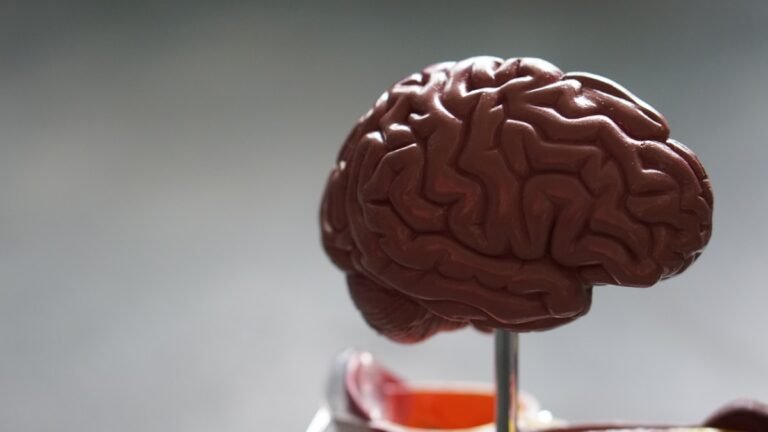
You can improve gut health naturally Bangladesh style — with traditional foods and daily habits. But here’s what most people don’t realise: your gut is not just your stomach. Scientists now call it the “second brain.” Your gut health affects your mood, your immunity, your skin, your energy levels, and even how well you sleep. When your gut is suffering, your whole body suffers with it.
Dr. Emeran Mayer, MD, PhD, Professor of Medicine, Physiology, and Psychiatry at UCLA and Director of the Oppenheimer Center for Neurobiology of Stress, is one of the world’s leading researchers on the gut-brain axis. His research — published across hundreds of peer-reviewed studies and summarised in his book The Mind-Gut Connection — established that the gut contains approximately 100 million nerve cells (more than the spinal cord), produces 95% of the body’s serotonin, and communicates continuously with the brain through the vagus nerve. Dr. Mayer’s work confirms that poor gut health is not just a digestive issue — it is a whole-body and whole-mind issue, with direct pathways to anxiety, depression, fatigue, and cognitive function.
Why Gut Health Is a Growing Problem in Bangladesh
Traditional Bangladeshi diets — rich in dal, sabji, fermented rice, and fish — were naturally gut-friendly. But urbanisation has changed what most Bangladeshis eat daily. Processed foods, fast food, excessive oil, and a reduction in fermented foods have disrupted gut microbiomes across the country. Combine this with high levels of urban stress (which directly harms gut bacteria), overuse of antibiotics, and reduced physical activity, and you have a population with increasingly compromised gut health. If you experience high levels of urban stress, it’s almost certain your gut is affected too — the gut-brain connection is that direct.
5 Signs Your Gut Health Needs Attention
- Bloating after most meals — especially after rice, bread, or legumes
- Frequent acidity or heartburn — especially at night or when lying down
- Irregular bowel movements — constipation, diarrhoea, or alternating between both
- Unexplained fatigue or brain fog — feeling tired even after a full night’s sleep
- Skin problems like acne or eczema — gut inflammation often shows on the skin first
If you have 3 or more of these, your gut microbiome is likely imbalanced (dysbiosis) and dietary changes can make a significant difference within 2–4 weeks.
The Best Gut-Healing Foods for Bangladeshis
🥛 1. Doi (Yoghurt) — Bangladesh’s Natural Probiotic
Plain yoghurt is Bangladesh’s most accessible probiotic food. It contains live bacteria (Lactobacillus and Bifidobacterium) that directly repopulate your gut with beneficial microbes. The key is unsweetened, plain doi — not mishti doi (sweet yoghurt), which is high in sugar and feeds harmful bacteria. Eat 1 small bowl of plain doi with lunch daily, with a pinch of cumin (jeera) powder to aid digestion further.
🍚 2. Panta Bhat — The Fermented Rice Superfood
Panta bhat (soaked/fermented rice) is one of Bangladesh’s most ancient foods — and modern science confirms it’s a nutritional powerhouse. The fermentation process increases Vitamin B content, reduces glycaemic index, and creates beneficial bacteria that support gut health. It also acts as a prebiotic — feeding the good bacteria already living in your gut. Eat occasionally as a light, cool meal, particularly in summer.
🟡 3. Turmeric (Holud) — Nature’s Anti-Inflammatory
Turmeric is in almost every Bangladeshi curry — and its active compound, curcumin, is one of the most powerful anti-inflammatory substances in food. Gut inflammation is at the root of most digestive problems, and curcumin directly reduces it by suppressing inflammatory pathways in the gut lining. Curcumin’s absorption increases by 2,000% when combined with black pepper (gol morich) — most Bangladeshi recipes already do this. See our comprehensive turmeric and curcumin guide for the full science.
🥬 4. Local Vegetables — The Prebiotic Foundation
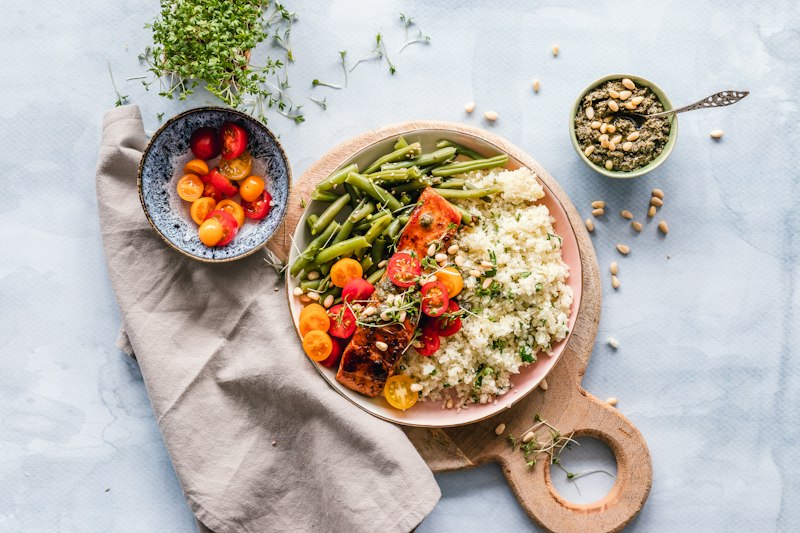
Probiotics are the good bacteria. Prebiotics are the food that feeds those bacteria. Bangladesh’s traditional vegetables — lau (bottle gourd), jhinge (ridge gourd), potol (pointed gourd), data shak, pui shak — are rich in prebiotic fibres that good gut bacteria thrive on. Simply eating more traditional sabji at each meal is one of the most powerful gut-healing strategies available. Aim for at least 2 different vegetables with every main meal.
🐟 5. Hilsa and Small Fish — Omega-3 for Gut Lining
Omega-3 fatty acids, found in abundance in hilsa (ilish) and small fish (choto mach), directly support gut health by reducing inflammation in the gut lining and supporting the growth of beneficial bacteria. Research shows omega-3 consumption is linked to greater microbiome diversity — a key marker of gut health. Our full omega-3 and fish guide covers which local fish provide the most gut benefit.
Evidence-Backed Supplement Support for Gut Health
Probiotics and Apple Cider Vinegar: What the Science Says
A landmark NIH/PMC systematic review (PMC8040029) confirmed that probiotic supplementation with Lactobacillus strains significantly reduces bloating, abdominal pain, and IBS symptoms across multiple clinical trials — particularly when the probiotic contains multiple complementary strains and is taken consistently for at least 4 weeks. The gut-vaginal microbiome connection is also now well-established: the same Lactobacillus species that protect gut health are the primary defenders of vaginal microbiome balance in women, and disruption to one frequently affects the other.
Apple cider vinegar (ACV) contains acetic acid and naturally occurring enzymes that may support digestive function by enhancing stomach acid production and slowing gastric emptying — which reduces post-meal blood sugar spikes and improves the feeling of fullness. While the clinical evidence is still emerging, traditional Bangladeshi home remedies that use sour fermented liquids for digestion are consistent with this mechanism.
⭐ PREMIUM PICK
O Positiv URO Vaginal Probiotics for Women — Prebiotics & Lactobacillus, 60 Count
How Probiotics Support Gut Flora
A women-specific probiotic formula that supports both gut and vaginal microbiome health simultaneously — because the two are directly connected. Contains multiple Lactobacillus strains with prebiotics (inulin) to feed the bacteria already in your system. Clinically formulated to support healthy vaginal odour and flora — the same Lactobacillus-dominant microbiome that protects gut health. Women experiencing bloating, digestive irregularity, and vaginal health concerns simultaneously will find this dual-action approach more effective than a gut-only probiotic. Particularly relevant for Bangladeshi women who have recently taken antibiotics (which disrupt both gut and vaginal microbiome simultaneously) or who have recurring digestive complaints. 60 capsules — 1-month supply.
✓ Multiple Lactobacillus strains + prebiotics
✓ Supports gut AND vaginal microbiome together
✓ 60 capsules — full month supply
✓ Formulated specifically for women’s microbiome
💰 BEST VALUE
ACV and Gut Microbiome Evidence
Bragg Organic Raw Apple Cider Vinegar — 32oz, Unfiltered with “The Mother”
Raw, unfiltered apple cider vinegar containing the “mother” — the natural enzyme and probiotic-rich culture that forms during fermentation. The mother contains beneficial bacteria, proteins, and enzymes that are removed in filtered, pasteurised vinegars. Use 1–2 tablespoons diluted in a glass of water before the largest meal of the day — this traditional practice supports stomach acid production, slows gastric emptying (reducing post-meal blood sugar spikes), and feeds beneficial gut bacteria through the acetic acid and fermentation byproducts. Bragg is the most trusted ACV brand globally and uses certified organic apples. The 32oz bottle provides 3–4 months of daily use at the recommended dose.
✓ Raw and unfiltered — contains live “mother”
✓ Organic certified apples — no pesticide residue
✓ 32oz — 3-4 months daily supply
✓ Bragg — most trusted ACV brand globally
Important note on ACV: Always dilute in water before drinking — undiluted ACV can damage tooth enamel and the oesophagus. Never take it directly. Start with 1 teaspoon in a full glass of water and increase to 1 tablespoon if tolerated. Consult your doctor if you have acid reflux, kidney disease, or take medications that interact with acidity.
Foods That Destroy Gut Health — Limit These
| Food | Why It Harms Your Gut | Better Alternative |
|---|---|---|
| Excessive refined sugar | Feeds harmful bacteria and yeast overgrowth | Honey (small amounts), date (khejur) |
| Processed fast food | Low fibre, high in emulsifiers that disrupt gut lining | Traditional dal-bhaat-sabji |
| Overuse of antibiotics | Kills both harmful and beneficial gut bacteria | Only use when medically necessary |
| Deep-fried foods daily | Promotes gut inflammation | Occasional — not daily |
The 7-Day Gut Reset Plan for Bangladeshis
- Days 1–2: Remove the disruptors. Cut out sugar-sweetened drinks, deep-fried snacks, and processed foods. Drink 8–10 glasses of water daily.
- Days 3–4: Add probiotics. Include plain doi with every lunch. Begin ACV before your largest meal.
- Days 5–6: Flood with prebiotics. Eat at least 3 different vegetables per day. Include lentils (masoor dal) at every meal.
- Day 7: Note changes in bloating, energy, and digestion. Most people notice clear improvement within 7 days.
Lifestyle Habits That Support Gut Health
- Eat slowly and chew thoroughly. Digestion begins in the mouth. Rushed meals put strain on the entire digestive tract.
- Manage stress actively. Chronic stress kills good gut bacteria. Our guide on stress management in Dhaka covers this in detail.
- Walk after meals. Even a 10–15 minute walk after lunch or dinner stimulates gut motility and reduces bloating significantly.
- Prioritise sleep. Your gut repairs itself during sleep. Our 7 habits for better sleep walks through every practical step.
- Stay hydrated. Water is essential for gut motility and for maintaining the mucus lining of the intestines.
🦠 Heal Your Gut — Starting This Week
The single most powerful step: add one bowl of plain doi to your lunch every day for 30 days. That’s it. One habit. Then build from there.
Scientific References
- Mayer, E.A., MD, PhD. Professor of Medicine, Physiology & Psychiatry, UCLA. Director, Oppenheimer Center for Neurobiology of Stress. The Mind-Gut Connection. emeranmayer.com
- Ford, A.C. et al. (2021). Efficacy of prebiotics, probiotics, and synbiotics in IBS: systematic review and meta-analysis. Gut, NIH/PMC. PMC8040029
- NIH National Library of Medicine. Serotonin: 95% produced in the gut — link between gut microbiome and mental health. PMC4728667
- WHO. Healthy diet guidelines — fermented foods, vegetables, and dietary fibre as core microbiome supports. who.int
This article is for informational purposes only and does not constitute medical advice. Consult a qualified healthcare provider for persistent digestive issues.
Common Questions About Gut Health
Frequently Asked Questions
Most people notice improvement in bloating and energy within 7–14 days of dietary changes. For significant microbiome restoration, research suggests 2–3 months of consistent dietary improvement. Severe gut issues may take longer and may benefit from professional guidance.
Often, yes. Contrary to what most people believe, chronic acidity (GERD) is frequently caused by too little stomach acid rather than too much. Gut dysbiosis contributes to this. Dietary changes, weight management, and stress reduction often resolve acidity more effectively than antacids taken long-term.
Traditional Bangladeshi eating habits — dal, rice, fish, fermented foods, vegetables — are excellent for gut health. The problem is the rapid shift toward processed foods and fast food, especially in urban areas. Returning to traditional eating patterns is one of the most effective gut-healing strategies available.
Yes — this is one of the most exciting areas in modern medicine. The gut-brain axis is a direct communication pathway between your digestive system and your brain. Poor gut health is linked to higher rates of anxiety, depression, and brain fog. Improving gut health often leads to measurable improvements in mood and mental clarity.


10 Comments