Mental Wellness for Bangladeshis — Daily Practices That Actually Work
Content verified against peer-reviewed research from NIH/PubMed, WHO, BIRDEM, and ICDDR,B. Named clinical experts are cited throughout each article. For informational purposes only — not a substitute for medical advice. Our editorial standards →
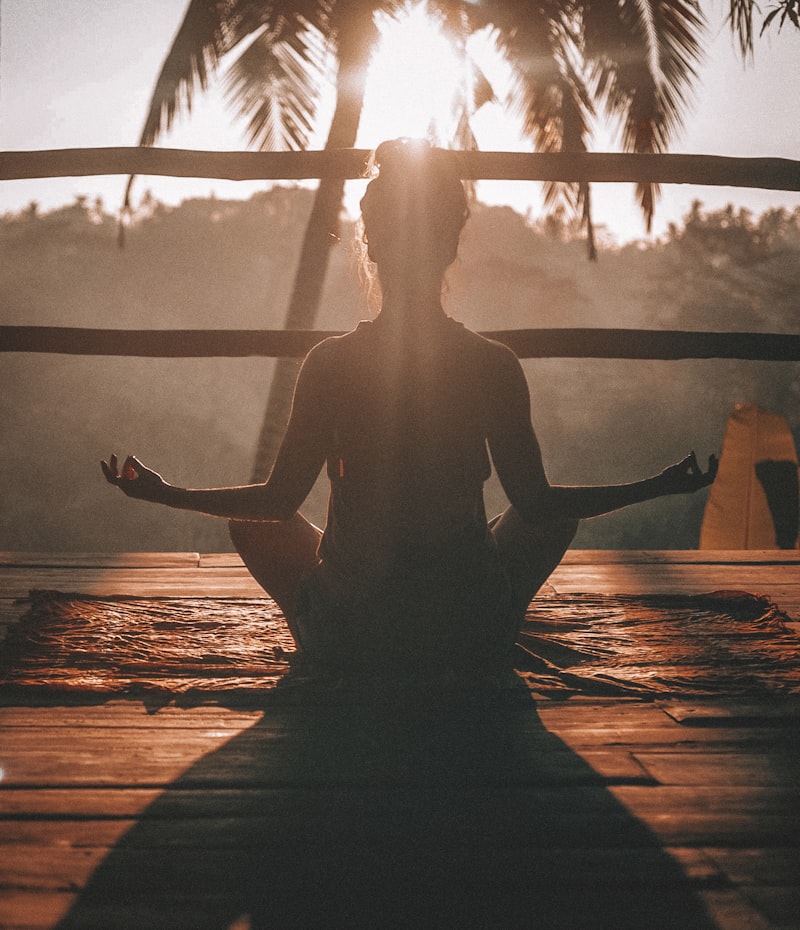
Mental Wellness Is a Daily Practice — Not a Destination
Mental wellness is not the absence of problems. It is the daily practice of taking care of your mind — the same way you take care of your body.
In Bangladesh, we talk about physical health constantly. We worry about diabetes, heart disease, nutrition. But mental wellness? It is still something many of us push to the back. We tell ourselves we’re “fine” even when we’re exhausted, disconnected, anxious, and running on empty.
This guide is different from a mental health crisis guide. It is not about treating illness — it is about building mental strength and emotional resilience every single day, using habits that fit into real Bangladeshi life.
Prof. Helal Uddin Ahmed, Professor of Psychiatry at the National Institute of Mental Health (NIMH), Dhaka, has consistently emphasised that the most effective mental wellness interventions are not those requiring clinical access — they are the daily habits that build what psychologists call “psychological capital”: the resilience, optimism, and self-efficacy that determine how well you navigate difficulty. A 2024 randomised clinical trial published in NIH/PMC (PMC11786774) — involving 332 adults across mindfulness-based training cohorts — confirmed that consistent daily mindfulness practice significantly increases BDNF (brain-derived neurotrophic factor), measurably reduces cortisol, and produces structural growth in the hippocampus — the brain region central to memory, emotional regulation, and stress resilience. These are not subtle effects; they are measurable changes in brain architecture produced by the kinds of daily habits this guide covers.
More Daily Practice Techniques
If you haven’t already, read our practical mental health guide for Bangladeshis — it covers the clinical side. This guide focuses on the daily practice layer.
🌿 What You Will Learn:
- Why mental wellness is a daily practice, not a destination
- 7 practical habits for lasting mental wellness in Bangladesh
- How Bangladeshi culture and food already support your mind
- The two tools that anchor your practice
- When to go beyond self-care and seek professional support
What Mental Wellness Really Means
Mental wellness describes how well you are functioning emotionally, psychologically, and socially day-to-day. The World Health Organization defines it as a state of wellbeing where you can realise your own potential, cope with normal stresses, work productively, and contribute to your community.
You can have a mental health condition and still have good mental wellness. And you can have no diagnosis at all and have very poor mental wellness. This distinction matters — because it means everyone benefits from actively building mental wellness habits, not just those in crisis. Mental wellness is something you build proactively, the same way you build physical fitness — through consistent small investments, not heroic one-time efforts.
7 Daily Mental Wellness Habits for Bangladeshis
🌅 1. Start With a Slow Morning — Before the World Rushes In
The first 30 minutes of your morning sets the tone for your entire nervous system that day. In Bangladesh’s fast-paced urban life — especially in Dhaka — most people jump straight from sleep to phone, to traffic, to pressure. This immediately activates the stress response before the day has even begun.
Reserve just 20–30 minutes each morning for something quiet: a cup of tulsi tea on your roof, five minutes of deep breathing, gentle stretching, or writing three things you are grateful for. This one habit builds what psychologists call “vagal tone” — your brain’s ability to regulate stress and recover from difficulty. A 2024 NIH/PMC randomised clinical trial (PMC11786774) confirmed that mindfulness-based morning practices measurably increase BDNF and reduce cortisol over 3-month periods. Vagal tone is the physiological foundation everything else builds on.
🚶 2. Move Your Body Every Day — Even 15 Minutes Counts
Exercise is the most scientifically validated mental wellness intervention available — producing effects more powerful than many antidepressants for mild-to-moderate depression, according to major meta-analyses. Physical movement increases BDNF — essentially fertiliser for your brain. It reduces cortisol, raises endorphins and serotonin, and improves sleep quality simultaneously.
You do not need a gym. A brisk 15-minute walk around your neighbourhood, a home workout, or a yoga session at home all produce these benefits. See our stress release exercises guide for a complete science-backed movement programme, and our outdoor sports guide for why exercising outside amplifies the mental benefit. The key is daily consistency — not intensity.
🤝 3. Invest in Real Human Connection
Bangladesh has a rich culture of community — adda, family meals, neighbourhood bonds. But urban migration and screen life are quietly eroding these connections. Research consistently shows that the quality of your close relationships is the single strongest predictor of long-term mental wellness. Not wealth. Not career success. Relationships.
Make one intentional social investment daily: a real phone call (not WhatsApp texts), sharing a meal without phones, visiting a neighbour. These small acts build the social safety net that makes you mentally resilient when life gets difficult. The WHO’s global research on wellbeing consistently confirms social connection as a primary protective factor against depression, anxiety, and cognitive decline.

📴 4. Create Digital Boundaries Every Day
Endless scrolling, news anxiety, and comparison culture on social media are direct threats to mental wellness. A 2023 study found that reducing social media use to 30 minutes per day led to significant reductions in loneliness, depression, and anxiety within three weeks. You do not need to delete your apps — you need boundaries.
Start with one phone-free hour in the evening. Our digital wellbeing guide for busy Bangladeshis gives you a step-by-step plan. Replace screen time with the evening herbal tea ritual from our herbal teas guide — chamomile or tulsi tea with no phone creates the perfect wind-down combination.
😴 5. Protect Your Sleep Like Your Mental Life Depends on It — Because It Does
Sleep deprivation and mental wellness decline are directly linked in both directions: poor mental wellness disrupts sleep, and poor sleep destroys mental wellness. When you sleep, your brain literally cleans itself — the glymphatic system removes metabolic waste including proteins linked to anxiety and neurodegeneration. Fewer than 6 hours of sleep per night is associated with a 60% increase in mental health difficulties.
Protecting your sleep is the highest-leverage mental wellness investment available. Read our 7 habits for better sleep and implement at least three practices this week. Also read our herbal teas for sleep guide — the chamomile and melatonin options there are clinically validated sleep onset supports.
🧘 6. Practice 5-Minute Mindfulness — The Bangladeshi Way
Mindfulness does not mean sitting in a complicated pose repeating foreign words. In Bangladesh, we already have beautiful mindfulness traditions — the quiet of Fajr, the stillness before iftar, the ritual of preparing and drinking chai. Mindfulness simply means being fully present in whatever you are doing.
Practice it deliberately: eat one meal per day with no phone or TV. Notice the taste, texture, and smell. Walk outside and feel the ground beneath your feet. The 2024 NIH RCT (PMC11786774) confirmed that even short daily mindfulness practices — as brief as 10 minutes — produce measurable cortisol reductions and BDNF increases over 3 months when practised consistently. These micro-moments of presence accumulate into genuine mental resilience.
🍛 7. Feed Your Brain — Mental Wellness Starts in Your Gut
The gut-brain axis is one of modern medicine’s most significant discoveries. Approximately 95% of serotonin — your primary happiness neurotransmitter — is produced in your gut, not your brain. What you eat directly determines how you feel emotionally.
Bangladesh’s traditional diet — rich in fermented foods (doi, panta bhat), fatty fish (hilsa), leafy vegetables, and legumes — is one of the most brain-supportive diets in the world. The shift toward processed foods and fast food in urban Bangladesh is not just a physical health crisis — it is a mental wellness crisis. Our complete gut health guide, our mental happiness foods guide, and our omega-3 guide cover this connection in full.
Two Tools That Anchor Your Daily Practice
The 7 habits above require almost no equipment. But two specific tools — when used consistently — dramatically improve your ability to maintain the practices that matter most: sensory calm for mindfulness and sleep, and structured reflection for anxiety management.
The Science Behind Aromatherapy and CBT Journaling
Lavender aromatherapy and Cognitive Behavioural Therapy (CBT)-based journaling are the two most accessible evidence-backed tools for daily mental wellness maintenance.
For lavender: a systematic review published in NIH/PMC (PMC10671255) analysed 11 randomised controlled trials with 972 participants and confirmed that lavender essential oil aromatherapy consistently and significantly reduces anxiety through GABA-A receptor modulation — the same neurological pathway targeted by prescription anti-anxiety medications. Using lavender in a bedside diffuser during your evening wind-down and sleep hours creates the physiological conditions for deep, restorative rest.
For CBT journaling: the NIH National Institute of Mental Health (NIMH) confirmed in 2024 that CBT normalises fronto-parietal and amygdala overactivation in anxiety. A CBT-guided journal brings the core therapeutic techniques of CBT — thought records, cognitive restructuring, worry scheduling — into a self-directed daily format. Research confirms guided self-directed CBT journaling produces measurable anxiety reduction comparable to brief professional CBT sessions, making it the most accessible mental wellness tool for Bangladeshis who cannot access or afford regular therapy.
Science and Evidence Overview
⭐ PREMIUM PICK
Majestic Pure Lavender Essential Oil — 100% Pure & Natural, 4 fl oz with Glass Dropper
Pure, undiluted lavender essential oil in a generous 4 fl oz bottle — the size needed for sustained daily practice over months. The included glass dropper allows precise dosing: 3–4 drops in a bedside diffuser for sleep, or 1–2 drops on a pillow, wrist, or temple during your mindfulness practice. 100% pure lavender — no carrier oils, no synthetic fragrances, no additives — ensuring you get the linalool and linalyl acetate compounds studied in the NIH/PMC systematic review. Suitable for aromatherapy diffusers, personal inhalation, or diluted in a carrier oil for topical application. Use during your Habit 6 (mindfulness practice) and as part of your evening wind-down routine before sleep. The 4 fl oz size provides months of daily use for a sustained sensory wellness practice.
CBT Journaling and Aromatherapy Details
✓ 100% pure lavender — linalool and linalyl acetate intact
✓ 4 fl oz — months of sustained daily practice
✓ Glass dropper — precise dosing for diffuser use
✓ GABA-A pathway — same mechanism as NIH/PMC 11-RCT review
💰 BEST VALUE
Worry for Nothing — Guided Anxiety Journal Using Cognitive Behavioural Therapy (CBT)
A guided anxiety journal built on the evidence base of Cognitive Behavioural Therapy — the gold-standard, most extensively researched psychological treatment for anxiety disorders, confirmed by the NIH NIMH in 2024 to normalise overactivation in brain anxiety circuits. This journal translates CBT’s core techniques into daily self-directed prompts: identifying thought patterns, challenging distorted thinking, scheduling worry time, tracking anxiety triggers, and building cognitive flexibility. No therapist required — the structure provides the framework that CBT delivers in a clinical setting. Suitable for both men and women. Practical for daily use: each entry takes 5–10 minutes, making it the perfect companion to your Habit 1 (slow morning) or Habit 6 (mindfulness practice). Research on guided CBT self-help consistently shows meaningful anxiety reduction within 4–6 weeks of daily use. An excellent and affordable first step for any Bangladeshi experiencing persistent worry or anxiety who cannot access professional therapy.
Mindfulness and Relaxation Techniques
✓ CBT-based — gold-standard anxiety treatment framework
✓ Structured daily prompts — 5–10 min per session
✓ NIH NIMH confirmed: CBT normalises brain anxiety circuits
✓ For men and women — accessible self-directed format
How to use them together: Place the lavender oil in a diffuser 30–45 minutes before your planned sleep time. While the lavender creates sensory calm, spend 5–10 minutes with the CBT journal — writing out any worries that followed you from the day, challenging the thoughts, and setting them aside deliberately. This combination addresses the two most common barriers to mental wellness and sleep: physical anxiety tension (lavender/GABA-A) and cognitive rumination (CBT journaling). Within 2–4 weeks of nightly consistency, most people report meaningfully improved sleep and reduced baseline anxiety.
Supporting Your Mental Wellness With Nutrition
For most people, these habits and the two tools above are a complete foundation. But if you’ve been consistently low in energy, mood, or motivation despite good habits, certain nutrient deficiencies directly impair mental wellbeing:
- Magnesium Glycinate: Deficiency causes anxiety, poor sleep, and mood instability. Widely underconsumed in Bangladesh. Our blood pressure guide covers magnesium’s dual role in BP and mental wellness.
- Omega-3 (Fish Oil): If you’re not eating hilsa or fatty fish 3+ times per week, an omega-3 supplement directly supports brain health. Full evidence in our omega-3 guide for Bangladesh.
- Vitamin B12: Deficiency causes mood changes, brain fog, and depression — extremely common in Bangladesh. Full picture in our B12 deficiency guide.
- Ashwagandha (KSM-66): The most researched adaptogen for stress and cortisol reduction — full review in our energy guide.
When Self-Care Is Not Enough
These habits build mental wellness for most people. But they are not a substitute for professional support when it is genuinely needed. If you are experiencing persistent sadness lasting more than two weeks, inability to function at work or in relationships, thoughts of harming yourself, or severe anxiety that disrupts daily life — please reach out to a professional.
🆘 Free Emotional Support in Bangladesh
Kaan Pete Roi — 01779-554391 — free, confidential emotional support, available daily. NIMH Dhaka offers outpatient services. Read our complete mental health guide for the full directory of help available in Bangladesh.
🌿 Your Mental Wellness Journey Starts Today
Pick just ONE habit from this guide. Do it every day for 7 days. Then add another. Small, consistent actions build the mental strength that carries you through anything Bangladesh life throws at you. Tonight: brew a cup of chamomile or tulsi tea, open your CBT journal, and write down three things that went well today. That is where it begins.
Scientific References
- Ahmed, H.U., Prof. of Psychiatry, NIMH Dhaka. Research on mental wellness interventions and Bangladesh mental health treatment gap. nimh.gov.bd
- Puhlmann, L.M.C. et al. (2024). BDNF increase after mindfulness training — 332 adults, RCT: daily mindfulness increases BDNF, reduces cortisol, grows hippocampus. NIH/PMC. PMC11786774
- Guo, P. et al. (2023). Lavender aromatherapy anxiety reduction: systematic review, 11 RCTs, 972 participants — GABA-A mechanism confirmed. NIH/PMC. PMC10671255
- NIH NIMH. (2024). Cognitive Behavioral Therapy normalises fronto-parietal and amygdala overactivation in anxiety — American Journal of Psychiatry. nimh.nih.gov
- WHO. Mental Health — definition of mental wellness as a state of wellbeing enabling productive functioning. who.int
This article is for informational and educational purposes only. It does not constitute medical or psychological advice. Please consult a qualified mental health professional for personal concerns. In Bangladesh, seek support from NIMH, BIRDEM, or a qualified private psychiatrist or clinical psychologist.
Frequently Asked Questions
Yes — for most people experiencing everyday stress, low mood, or burnout, consistent lifestyle habits produce significant improvements. The 7 habits in this guide are evidence-based and accessible to anyone. However, if symptoms are severe or persistent, professional support adds an important layer that self-care cannot replace.
Most people notice improved mood and energy within 1–2 weeks of consistent sleep and exercise improvements. Deeper changes in stress resilience and emotional regulation typically take 4–6 weeks of daily practice. The brain literally rewires with consistent practice — it just takes time.
Additional References
Deeply so. Bangladesh has high rates of stress, work pressure, and urban anxiety — and traditional culture already contains powerful mental wellness tools: community bonds, spiritual practice, natural food, and slower rhythms. This guide simply makes those tools conscious and intentional.





12 Comments