Reviewed for Accuracy • Healthy Bangladesh Editorial Team
Content verified against peer-reviewed research from NIH/PubMed, WHO, BIRDEM, and ICDDR,B. Named clinical experts are cited throughout each article. For informational purposes only — not a substitute for medical advice. Our editorial standards →
Affiliate Disclosure: This article contains affiliate links to Amazon. If you purchase through these links, we may earn a small commission at no extra cost to you. We only recommend products backed by published research and verified customer reviews. | Reviewed against NIH, Mayo Clinic, and peer-reviewed clinical research on visceral fat reduction.
Introduction
If you’re living in Bangladesh, you’re not alone in struggling with belly fat. It’s the most complained-about health concern among Bangladeshi men and women, from busy office workers in Dhaka to professionals juggling work and family life across the country.
Here’s what you need to know: belly fat comes in two types. Subcutaneous fat sits just under your skin and is relatively harmless. Visceral fat — the dangerous kind — wraps around your organs and dramatically raises your risk of heart disease, type 2 diabetes, and chronic inflammation.
Dr. Ekta Kapoor, M.B.B.S., Endocrinologist at Mayo Clinic and one of the leading researchers on abdominal obesity, puts it plainly: “It’s becoming more and more clear in the medical community that the way you carry your fat is equally, if not more, important than how much fat you carry. If you carry fat in your midsection, you’re more likely to have a worse metabolic profile than those who carry fat elsewhere.” Dr. Kapoor’s research confirms that even people with a normal BMI can face serious health consequences if that fat is concentrated in the abdomen — making waist circumference a more meaningful health indicator than the scale alone.
The good news? Visceral belly fat is actually the first type your body burns when you create the right conditions. You can’t spot-reduce it with crunches — but with the right approach, it responds faster than fat stored anywhere else.
This guide combines science-backed nutrition, exercise, sleep, and stress management strategies specifically tailored for the Bangladeshi lifestyle — plus two evidence-backed supplement options for those who want additional support. Follow these consistently and you’ll see real results in 8–12 weeks.
Why Belly Fat Builds Up in Bangladesh
High Refined Carbohydrate Intake
White rice is a staple — often eaten three times daily. Refined white rice spikes blood sugar rapidly, triggering insulin release. Chronically elevated insulin signals the body to store excess energy as fat, particularly in the abdominal region. Our diabetes diet chart for Bangladeshis explains the blood sugar–fat storage connection in full.
Sedentary Work Culture
Dhaka’s traffic means many office workers spend 2–3 hours commuting and another 8–10 hours sitting at desks. Extended sedentary behaviour slows metabolism and increases insulin resistance — prime conditions for visceral fat storage.
Chronic Stress
Dhaka’s pace, traffic congestion, work pressure, and rising cost of living keep cortisol — the stress hormone — chronically elevated. When cortisol stays high, your body preferentially stores fat in the abdominal area as visceral fat. See our full guide on managing stress in Dhaka.
Poor Sleep Quality
Between heat, humidity, noise pollution, and late-night work, many Bangladeshis get fewer than 6 hours of sleep. Sleep deprivation raises ghrelin (the hunger hormone) by up to 28% and lowers leptin (the fullness hormone), causing 300–400 extra calories of unintended eating the next day. Read our complete science-backed sleep guide for practical fixes.
Liquid Calories
Three cups of sweetened cha can easily add 300+ calories daily. Add soft drinks, fruit juices, and flavoured milk — and you’re looking at 500+ invisible calories. That’s 3,500 extra calories per week: one pound of pure fat gain without eating a single extra meal.
Hormonal Changes After 40
As men age, testosterone declines. As women enter perimenopause, oestrogen drops. Both hormonal shifts push fat storage specifically toward the abdomen, as Dr. Ekta Kapoor’s research at Mayo Clinic confirms — making midlife the period when proactive lifestyle intervention matters most.
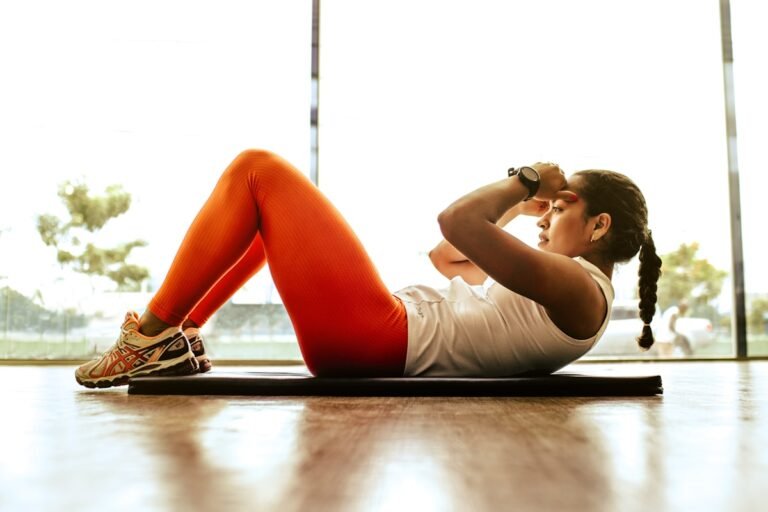
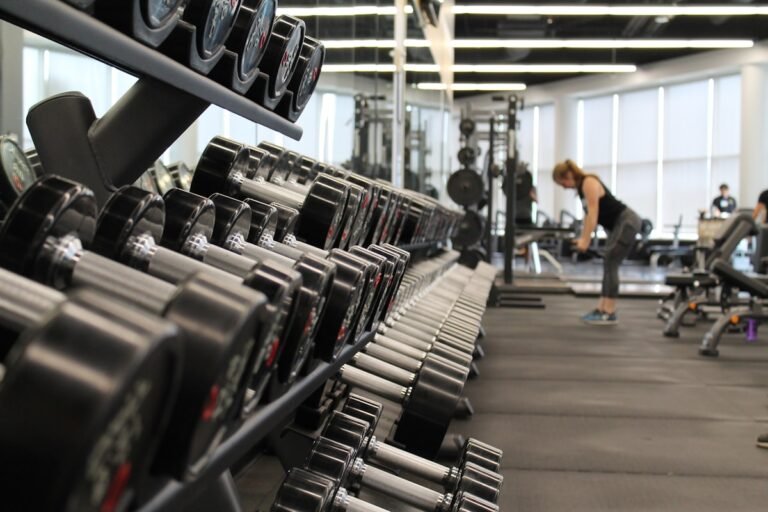
High-intensity interval training (HIIT) is one of the most effective tools for burning visceral belly fat — proven across multiple randomised controlled trials
Exercise: What Actually Burns Belly Fat
Here’s the truth: you cannot spot-reduce fat from your belly. Crunches strengthen abdominal muscles but don’t burn belly fat specifically. Fat loss is systemic — it comes from creating an overall energy deficit. However, visceral belly fat is actually mobilised first when you’re in a calorie deficit. So while you’re losing fat overall, the dangerous visceral fat around your organs shrinks fastest.
A 2023 meta-analysis published in the NIH National Library of Medicine confirmed that the combination of aerobic exercise and dietary calorie reduction consistently produces the greatest reductions in waist circumference and visceral fat across all age groups. Here’s what works best:
High-Intensity Interval Training (HIIT) burns more calories in 15 minutes than 45 minutes of steady walking. Bursts of intense effort followed by recovery — repeated. Crucially, your metabolism stays elevated for hours after you finish (the “afterburn” effect). Our full HIIT workout guide for Bangladesh shows you exactly how to do this at home with zero equipment.
Strength training builds muscle, which raises your resting metabolic rate. More muscle means more calories burned even at rest — making it the long-term foundation of weight management. See our home workout guide without a gym for a structured starting point.
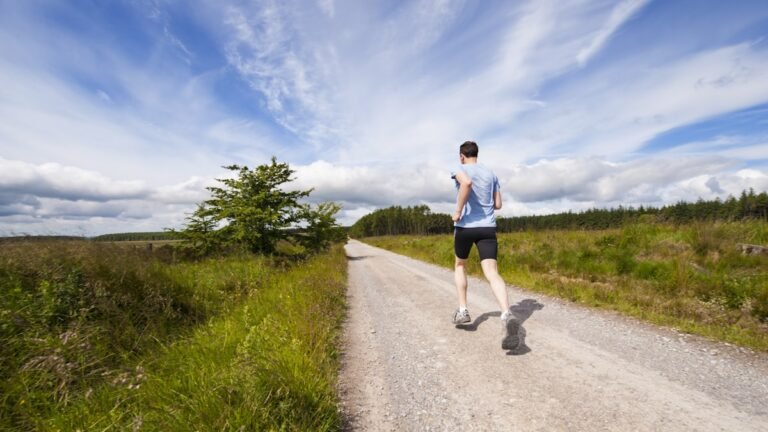
Walking is underrated. A 20–30 minute walk after meals reduces blood sugar spikes by approximately 20%, lowers cortisol, and burns calories without joint stress. It is sustainable for life and requires nothing.
Realistic exercise plan:
High-Intensity and Strength Training Options
3–4 sessions per week
Mix of HIIT (2 sessions), strength training (1–2 sessions), and walking (daily, 20–30 min after meals)
Consistency beats intensity — one year of moderate exercise outperforms two months of intense effort followed by nothing
Reducing refined carbs and increasing protein are the two highest-impact dietary changes for belly fat — confirmed across multiple clinical trials
5 Dietary Changes That Target Belly Fat
1 Reduce (Not Eliminate) Refined Carbs
You don’t need to quit rice entirely. Reduce portion sizes gradually. Swap one daily rice meal for roti, which has a lower glycaemic index. Or eat half your normal rice portion, filling the other half with vegetables and protein. Small, sustained reductions in glycaemic load have a disproportionate impact on insulin levels and abdominal fat.
2 Eat More Protein at Every Meal
Protein keeps you full 2–3 times longer than carbohydrates, and your body burns more calories digesting it (the thermic effect). Aim for protein at breakfast, lunch, and dinner: eggs, fish, chicken, dal, yoghurt. See our guide to high-protein foods in Bangladesh for affordable local options.
3 Eliminate Liquid Calories
This single change can create a 300–500 calorie daily deficit without any hunger. Replace sweetened cha with black tea or green tea. Choose water over soft drinks and fruit juices. Green tea also provides catechins that support metabolism — more on this below.
4 Add Fibre to Every Meal
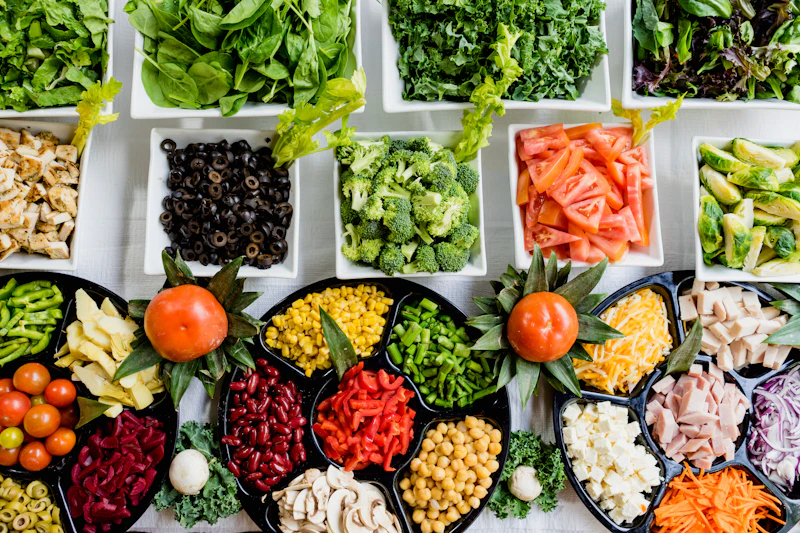
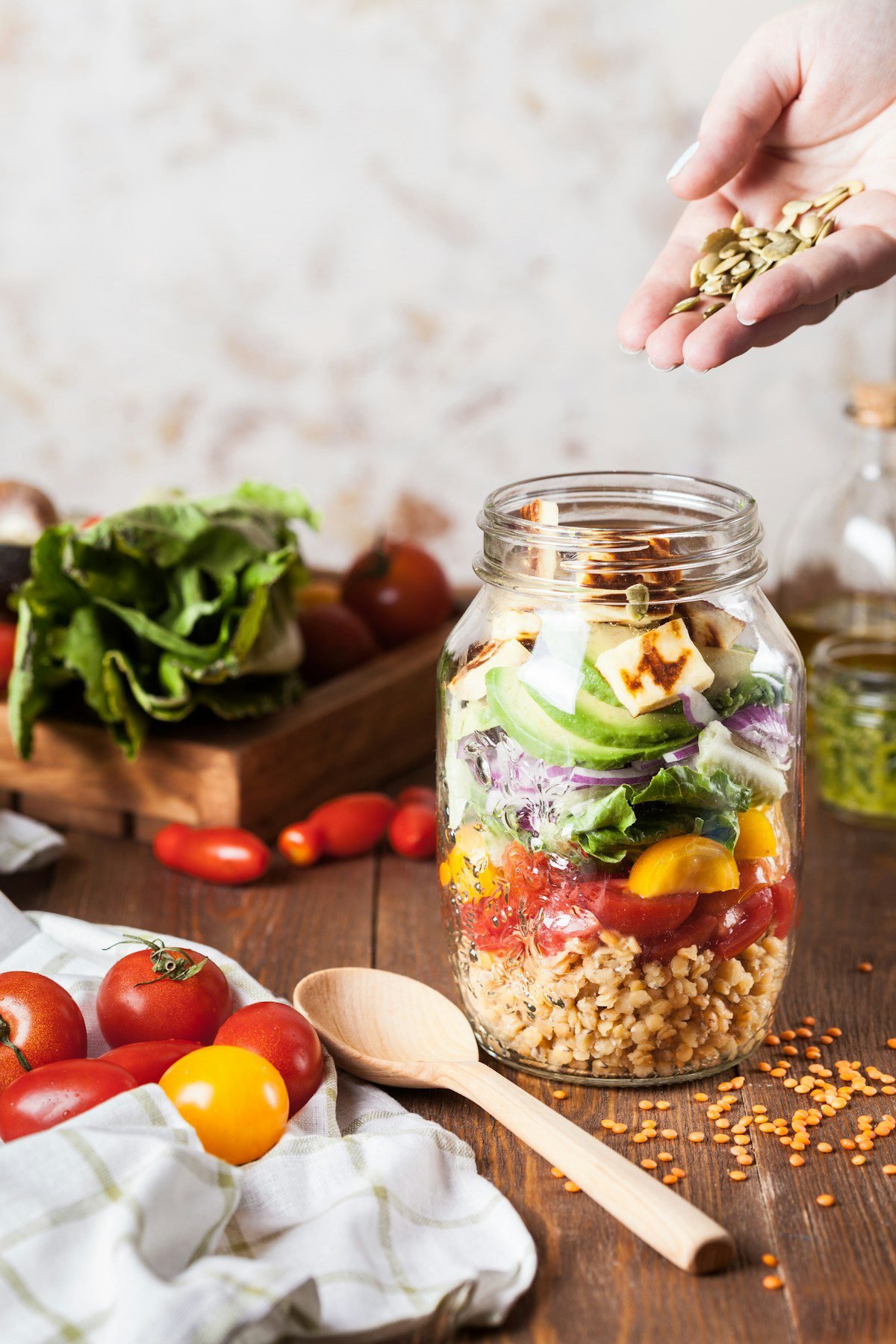
Vegetables, dal, and fruits slow digestion and prevent blood sugar spikes. They keep you full longer and feed beneficial gut bacteria. Our gut health guide for Bangladesh covers how a healthy microbiome also supports fat metabolism. Aim to fill half your plate with vegetables at every meal.
5 Stop Late-Night Eating
Not because food at night is “magically fattening,” but because late-night eating almost always means unplanned snacks that add 200–400 calories to your day. Finish your last proper meal at least 2–3 hours before bed and let your digestive system rest overnight.
Sleep and Stress: The Hidden Fat Drivers
Sleep Deprivation and Belly Fat
Getting under 6 hours of sleep raises your hunger hormone by 28% and lowers your fullness hormone by 18%. The result: 300–400 extra calories of unintended eating the next day. Over a month, that’s 2–3 pounds of belly fat gain from sleep deprivation alone — without any change in your diet. Poor sleep also impairs blood sugar regulation, worsening insulin resistance and accelerating visceral fat storage.
When you’re stressed, your body releases cortisol. As Dr. Ekta Kapoor and the Mayo Clinic research team confirm, chronic elevated cortisol directly signals the body to preferentially store fat in the abdominal region — and simultaneously breaks down muscle, reducing your metabolic rate. Stress also triggers emotional eating, particularly cravings for high-sugar, high-fat foods.
Practical fixes:
Take a 10-minute walk after meals (reduces cortisol and blood sugar simultaneously)
Aim for 7–8 hours sleep — the most powerful cortisol regulator available
Limit caffeine after 2 PM (caffeine raises cortisol)
Practice 5–10 minutes of daily breathing exercises or mindfulness
5 Myths About Belly Fat (Debunked)
Myth 1
“Crunches and Sit-Ups Burn Belly Fat”
FALSE. Crunches strengthen abdominal muscles but don’t burn fat there. Fat loss comes from a calorie deficit — your body decides which fat to mobilise, and visceral fat is typically first.
Myth 2
“Eating Fat Causes Belly Fat”
FALSE. Excess calories from any source cause fat gain. Healthy fats (fish, olive oil, nuts) actually improve hormone balance and can reduce belly fat compared to a diet high in refined carbs.
Myth 3
“You Can Lose Belly Fat in 2 Weeks”
FALSE. Realistic belly fat reduction is 0.5–1 cm of waist circumference per month with consistent effort. Expect 8–12 weeks to see visible changes — and 6 months for significant transformation.
Myth 4
“Skipping Meals Speeds Up Fat Loss”
FALSE. Skipping meals crashes metabolism, causes overeating later, and triggers muscle loss — which lowers your metabolic rate long-term. This is exactly why crash diets fail. See our detailed crash diet explainer.
Myth 5
“Only Cardio Burns Fat; Strength Training Just Builds Bulk”
FALSE. Strength training is equally effective for fat loss and essential for preventing muscle loss during weight reduction. More muscle means a higher resting metabolic rate — the sustainable foundation of long-term fat management.
Evidence-Backed Supplements for Belly Fat: Do Any Actually Work?
Most “fat burner” supplements sold in Bangladesh are ineffective, poorly regulated, and some are outright dangerous. However, a small number of ingredients have genuine peer-reviewed evidence behind them — particularly for supporting metabolism and reducing visceral fat when combined with diet and exercise. The two products below contain those specific evidence-backed ingredients.
⚠️ Important: No supplement replaces the five fundamentals — calorie deficit, protein, exercise, sleep, and stress management. These products are designed to support those fundamentals, not substitute for them. Always consult your doctor before starting any supplement, particularly if you have diabetes, hypertension, or take prescription medications.
The Science: Green Coffee Bean Extract & Chlorogenic Acid
Unlike regular roasted coffee, green (unroasted) coffee beans retain high concentrations of chlorogenic acid (CGA) — a polyphenol that influences glucose and fat metabolism through two primary mechanisms: slowing glucose absorption from the gut (reducing insulin spikes) and inhibiting hepatic triglyceride accumulation (reducing fat storage in the liver).
A randomised double-blind crossover trial published in Diabetes, Metabolic Syndrome and Obesity (NIH/PMC) found that green coffee bean extract produced significant reductions in body weight (−8.04 kg), BMI (−2.92 kg/m²), and percent body fat (−4.44%) over 22 weeks without dietary changes. A 2024 clinical trial on GCB70® published in PubMed confirmed significant reductions in waist circumference and improved insulin sensitivity in overweight participants over 12 weeks. A separate 2023 systematic review and meta-analysis (NIH/PMC) reviewing multiple RCTs concluded that green coffee bean extract containing chlorogenic acid produced meaningful body weight reductions compared to placebo.
The Science: AMPK Activation & Actiponin® Gynostemma
AMPK (AMP-activated protein kinase) is an enzyme described by researchers as the body’s “master metabolic switch.” When activated, it enhances fat oxidation, improves insulin sensitivity, and suppresses lipogenesis (new fat creation). The NIH/PMC review on AMPK’s role in adipose tissue (2021) confirms that AMPK activation is directly associated with increased fatty acid oxidation and reduced abdominal fat accumulation.
AMPK activity naturally declines with age — which is one reason belly fat tends to accumulate more easily in your 30s and 40s. Actiponin®, a patented extract of Gynostemma pentaphyllum, has been clinically studied to activate AMPK and specifically target visceral fat. In one controlled study, subjects given Actiponin® showed a 6.3% reduction in abdominal fat area measured by CT scan and lost one inch from their waistline over 12 weeks.
⭐ PREMIUM PICK
NatureWise Green Coffee Bean Extract 800mg
800mg per serving of standardised green coffee bean extract — one of the highest doses available in a single capsule. Contains the chlorogenic acid studied in multiple RCTs for its effects on blood sugar regulation, fat metabolism, and waist circumference reduction. A strong starting point for those whose belly fat is driven by high-carbohydrate intake and insulin spiking.
A multi-ingredient formula targeting visceral fat via AMPK activation. Contains Actiponin® (clinically studied Gynostemma extract), Green Tea Extract (standardised to 98% polyphenols for catechins), and active forms of Vitamin B6 and Methyl B12 for energy metabolism. The combination of AMPK activation + green tea catechins + B vitamins makes this a broader metabolic support formula — particularly useful for those 35+ whose AMPK activity has naturally declined.
How to use: Take either supplement consistently for at least 8–12 weeks alongside a calorie deficit, regular exercise (especially HIIT and walking), and adequate sleep. Neither product will produce meaningful results without those foundations in place. Do not combine both products simultaneously without consulting your doctor.
Realistic Expectations
Weeks 1–2
Lose 1–2 kg, mostly water weight from reduced refined carbs. Encouraging but not yet real fat loss. Sleep and stress changes begin resetting hormones.
Weeks 3–8
Real fat loss begins — slower (0.5–1 kg per week), but genuine. Waist circumference drops noticeably. Clinical trials on green coffee bean extract show meaningful changes beginning at week 4.
Months 2–4
Continued steady progress. Belly fat visibly reduces, energy improves, clothes fit differently. AMPK activation (weeks 8–12) shows measurable visceral fat reduction in clinical studies.
Track waist circumference monthly, not just scale weight. Target: 1–2 cm reduction per month with consistent effort. The scale can be misleading (muscle gain offsets fat loss), but your waist measurement tells the truth.
Conclusion
Belly fat is more than a cosmetic concern — as Dr. Ekta Kapoor of Mayo Clinic emphasises, the location of your fat matters as much as the amount. Visceral abdominal fat raises your risk of heart disease, type 2 diabetes, inflammation, and metabolic dysfunction. Reducing it improves insulin sensitivity, cardiovascular health, energy levels, and longevity.
The path is clear: combine reduced refined carbs, more protein, HIIT or strength training, better sleep, and stress management. No single trick works. It’s the combination of these science-backed approaches, applied consistently over months, that transforms your belly and your health.
Kapoor, E. (2019). Dangers of Excess Belly Fat. Mayo Clinic Radio. Ekta Kapoor, M.B.B.S., Endocrinologist, Mayo Clinic. mayoclinic.org
Haidari, F. et al. (2021). Randomized, double-blind, crossover trial: Green coffee extract for weight and body fat reduction. Diabetes, Metabolic Syndrome and Obesity, NIH/PMC.PMC3267522
Kanchanasurakit, S. et al. (2023). Chlorogenic acid in green bean coffee on body weight: A systematic review and meta-analysis. Systematic Reviews, NIH/PMC.PMC10503105
Verma, N. et al. (2024). Clinical evaluation of green coffee bean extract (GCB70®) in overweight individuals. Journal of the American Nutrition Association.PubMed: 38227783
Wu, S. et al. (2021). The new role of AMPK in regulating fat metabolism and energy expenditure in adipose tissue. International Journal of Molecular Sciences, NIH/PMC.PMC8698496
Park, S.H. et al. (2014). Antiobesity effect of Gynostemma pentaphyllum extract (Actiponin): A randomized, double-blind, placebo-controlled trial. Obesity (Silver Spring), PubMed.PubMed: 23804546
The information on this page is for general educational purposes only and is not a substitute for professional medical advice, diagnosis, or treatment. Supplements mentioned in this article are not intended to diagnose, treat, cure, or prevent any disease. Always consult a qualified physician before starting any supplement, particularly if you have diabetes, hypertension, cardiovascular disease, or take prescription medications. In Bangladesh, seek guidance from DGHS Bangladesh, BIRDEM, or your nearest government hospital.
Frequently Asked Questions
What are the main causes of belly fat for Bangladeshis?
The most common causes include a diet high in refined carbohydrates (white rice, maida, sugary foods and drinks), sedentary office-based work, insufficient physical activity, chronic stress (especially common in Dhaka city life), poor sleep quality, and hormonal imbalances including insulin resistance and thyroid issues. Genetics also plays a role in how and where the body stores fat.
More Scientific Studies on Belly Fat
Does eating rice cause belly fat in Bangladesh?
Rice itself is not the direct cause of belly fat — excess total calorie intake is. However, eating very large portions of white rice multiple times per day, especially alongside fatty curries, can easily result in a calorie surplus that leads to fat accumulation over time. Switching to smaller rice portions, adding more vegetables and protein, and choosing brown rice occasionally can help without eliminating rice entirely.
How long does it take to see visible reduction in belly fat?
With a consistent calorie deficit of 300–500 calories per day combined with regular exercise, most people begin noticing changes in 4–8 weeks. Significant visible results typically appear after 2–3 months of consistency. Belly fat (particularly visceral fat around organs) responds well to dietary changes and aerobic exercise, but there is no way to spot-reduce fat from one specific area alone.
What exercises are most effective for reducing belly fat at home in Bangladesh?
The most effective approaches combine cardiovascular exercise (walking briskly, jogging, skipping rope, or cycling for 30–45 minutes, 5 days per week) with strength training (bodyweight squats, planks, lunges, and push-ups). High-Intensity Interval Training (HIIT) is particularly effective at burning belly fat and can be done in 20–25 minutes at home with no equipment.
Can stress cause belly fat even if I eat well?
Yes. Chronic stress raises cortisol levels, which directly promotes fat storage in the abdominal area. Cortisol also increases appetite, particularly cravings for high-sugar and high-fat foods. This is why people under significant work or family stress often struggle to lose belly fat even when eating carefully. Managing stress through sleep, exercise, and relaxation is an essential part of any fat loss plan.
Additional Scientific References
Are there common belly fat myths in Bangladesh I should ignore?
Yes — several widespread myths persist. Sit-ups and crunches alone do not burn belly fat (they build core muscle but do not reduce fat). ‘Fat-burning teas’ and herbal drinks have no meaningful scientific evidence for belly fat reduction. Skipping meals, particularly breakfast, often leads to overeating later and worsens fat storage. Sweating more does not equal burning more fat — sweat is the body’s cooling system, not a fat loss mechanism.
What foods should I specifically avoid to reduce belly fat in Bangladesh?
Prioritise reducing: sugary drinks (soft drinks, fruit juices with added sugar, sweet tea with multiple spoons of sugar), deep-fried snacks (jilapi, singara, puri), white bread and refined biscuits, processed sweets and mishti, and alcohol. These foods are high in calories, spike blood sugar rapidly, and are strongly linked to abdominal fat accumulation.
A complete guide to cycling gear in Bangladesh — helmets, lights, locks, gloves, bags and tools — with 2026 price ranges, trusted brands, and where to buy.
📋Written following Healthy Bangladesh’s Editorial Standards — sources include WHO, BMJ & MOHFW 🩺 Reviewed for Accuracy • Healthy Bangladesh Editorial Team Content verified against peer-reviewed research from NIH/PubMed, WHO, BIRDEM, and ICDDR,B. Named clinical experts are cited throughout each article. For informational purposes only — not a substitute for medical advice. Our editorial standards…
Most fat burners are overpriced caffeine. This guide covers the small number of supplements with real clinical evidence for fat loss — CLA, green tea extract, and L-carnitine — and why they only work alongside diet and exercise.
📋Written following Healthy Bangladesh’s Editorial Standards — sources include WHO, BMJ & MOHFW 🩺 Reviewed for Accuracy • Healthy Bangladesh Editorial Team Content verified against peer-reviewed research from NIH/PubMed, WHO, BIRDEM, and ICDDR,B. Named clinical experts are cited throughout each article. For informational purposes only — not a substitute for medical advice. Our editorial standards…
Build muscle in Bangladesh using hilsa, eggs, dal, and chicken — no expensive imports needed. Learn the exact protein targets, training structure, sleep rules, and the two supplements that actually work.
A beginner-friendly guide to running in Bangladesh — a 4-week walk-run plan, the best times to beat the heat, injury-prevention tips, and what gear you need.
To provide the best experiences, we use technologies like cookies to store and/or access device information. Consenting to these technologies will allow us to process data such as browsing behavior or unique IDs on this site. Not consenting or withdrawing consent, may adversely affect certain features and functions.
Functional
Always active
The technical storage or access is strictly necessary for the legitimate purpose of enabling the use of a specific service explicitly requested by the subscriber or user, or for the sole purpose of carrying out the transmission of a communication over an electronic communications network.
Preferences
The technical storage or access is necessary for the legitimate purpose of storing preferences that are not requested by the subscriber or user.
Statistics
The technical storage or access that is used exclusively for statistical purposes.The technical storage or access that is used exclusively for anonymous statistical purposes. Without a subpoena, voluntary compliance on the part of your Internet Service Provider, or additional records from a third party, information stored or retrieved for this purpose alone cannot usually be used to identify you.
Marketing
The technical storage or access is required to create user profiles to send advertising, or to track the user on a website or across several websites for similar marketing purposes.






5 Comments