Content verified against peer-reviewed research from NIH/PubMed, WHO, BIRDEM, and ICDDR,B. Named clinical experts are cited throughout each article. For informational purposes only — not a substitute for medical advice. Our editorial standards →
Introduction
Searching online for weight loss plans likely led you to programs built around expensive or hard-to-find foods — chicken breast, quinoa, avocado. The reality is: you don’t need those foods to lose weight.
Bangladeshi food — rice, dal, fish, sabji, doi — is perfectly suited for healthy, sustainable weight loss. The key is not eliminating Bengali food from your diet; it is understanding portions, prioritising protein, and avoiding ultra-processed items.
Dr. Walter Willett, MD, DrPH, Professor of Epidemiology and Nutrition at Harvard T.H. Chan School of Public Health and one of the world’s most-cited nutrition researchers, has repeatedly demonstrated through large-scale studies that dietary pattern — not any single food — determines long-term weight outcomes. His research confirms that diets rich in legumes (like masoor dal), fish, and vegetables — exactly the foundation of traditional Bangladeshi eating — are strongly associated with healthy weight maintenance and reduced chronic disease risk.
This 7-day meal plan uses only foods from your local bazar. No expensive imports. No complicated recipes. Just practical eating that works — backed by science and grounded in your own food culture.
How This Diet Plan Works
This plan targets a gentle caloric deficit of approximately 1,400–1,600 calories per day for women and 1,600–1,900 for men. A gentle deficit means steady weight loss (0.5–1 kg per week) without leaving you starving or exhausted.
- Protein target: 60–80g daily — keeps you full, preserves muscle, burns extra calories digesting it (the thermic effect of food)
- Carbs: reduced but not eliminated — you will still eat rice, just in smarter portions
- No banned foods — smarter choices and portion control, not extreme restriction
A 2017 study published in NIH/PMC (International Journal of Behavioral Nutrition) analysed 40,554 participants and found that people who plan their meals ahead are significantly less likely to be obese — and they consume higher-quality food, adhere better to nutritional guidelines, and eat a wider variety of nutrients. Meal planning is not just willpower — it is a structural tool that changes outcomes. For more on how nutrition supports overall health, see our complete daily nutrition guide for Bangladeshis.
7-Day Meal Plan
| Meal | Food | Calories |
|---|---|---|
| Breakfast | 2 ruti + 1 egg + 1 cup mixed sabji | ~250 |
| Lunch | Dal + fish curry + small bowl rice + leafy shak | ~400 |
| Snack | 1 banana + 1 glass water or milk | ~120 |
| Dinner | Light khichuri + mixed vegetable salad | ~250 |
| Total | ~1,020 | |
| Meal | Food | Calories |
|---|---|---|
| Breakfast | 1 cup oats with milk + banana | ~280 |
| Lunch | Chicken curry + small bowl rice + sabji | ~420 |
| Snack | Chira + doi | ~150 |
| Dinner | Dal + 2 ruti + steamed vegetables | ~280 |
| Total | ~1,130 | |
| Meal | Food | Calories |
|---|---|---|
| Breakfast | Light egg fried rice (2 eggs, minimal oil) | ~300 |
| Lunch | Fish curry + small rice + raw salad | ~380 |
| Snack | Cucumber + roasted peanuts (30g) | ~130 |
| Dinner | Chicken soup + 2 ruti + steamed greens | ~220 |
| Total | ~1,030 | |
| Meal | Food | Calories |
|---|---|---|
| Breakfast | 2 ruti + ½ cup dal | ~220 |
| Lunch | Hilsa fish + small bowl rice + large salad | ~380 |
| Snack | Orange or papaya | ~60 |
| Dinner | Dal + mixed steamed vegetables + ½ bowl rice | ~260 |
| Total | ~920 | |
| Meal | Food | Calories |
|---|---|---|
| Breakfast | Muri + 2 boiled eggs + glass milk | ~320 |
| Lunch | Grilled fish + small rice + spinach curry | ~360 |
| Snack | Doi or peanut butter + carrot sticks | ~150 |
| Dinner | Dal with cumin water + 2 ruti + steamed vegetables | ~280 |
| Total | ~1,110 | |
| Meal | Food | Calories |
|---|---|---|
| Breakfast | Suji (semolina) with milk + banana | ~280 |
| Lunch | Chicken curry + small rice + begun bhaji | ~420 |
| Snack | Chira with milk + small fruit | ~140 |
| Dinner | Dal + 2 ruti + steamed mixed vegetables | ~280 |
| Total | ~1,120 | |
| Meal | Food | Calories |
|---|---|---|
| Breakfast | 2 eggs + 2 ruti + tomato-onion sabji | ~300 |
| Lunch | Rui/katla fish + small rice + vegetable salad | ~360 |
| Snack | Roasted peanuts or glass milk | ~110 |
| Dinner | Light khichuri + doi | ~250 |
| Total | ~1,020 | |
Note on portions: Adjust slightly based on your current weight and hunger levels. If you’re consistently hungry, add an extra snack or slightly larger protein portion. The goal is sustainable eating, not suffering.
Weekly Meal Tips: Flexible Eating for Real Life
Meal Prep: The Hidden Key to Sticking to Your Diet Plan
The biggest reason diet plans fail is not willpower — it is lack of preparation. When you are tired and hungry after a long day, whatever food is easiest to grab wins. A randomised clinical trial published in NIH/PMC (Obesity journal) found that participants who used portion-controlled prepackaged meal structures lost 50% more weight in the first 18 months compared to those following a self-selected diet — with no difference in meal satisfaction. The structure itself was the intervention, not food restriction.
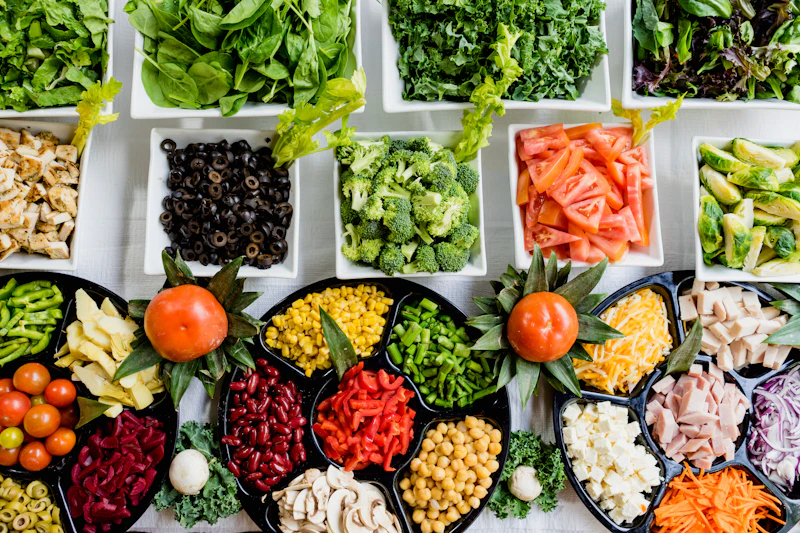
Practical meal prep for Bangladeshis means cooking in batches — preparing dal, boiled eggs, grilled fish, and chopped vegetables on Sunday evening to cover Monday through Wednesday. The right containers make this dramatically easier, keep food fresher, and solve the critical problem of portion control that research consistently identifies as the #1 modifiable factor in calorie intake.
According to the NIH, proper portion control can reduce caloric intake by up to 25% without conscious effort or hunger — simply by removing the ambiguity of “how much should I take?”
Our Recommended Meal Prep Containers
⭐ PREMIUM PICK
Bentgo Salad Container — 54oz with 4-Compartment Toppings Tray
Designed specifically for portion-controlled salad meals — the four-compartment tray keeps proteins (boiled eggs, grilled fish, chicken) separate from vegetables and toppings until you’re ready to eat. The leak-proof dressing container means you can carry your lemon dressing or doi dressing without soaking the salad. A reusable fork is included. BPA-free and dishwasher-safe. Ideal for office workers in Dhaka who want to bring a structured, calorie-controlled lunch without it turning into a soggy mess by noon.
✓ 54oz large capacity — no hunger at work
✓ 4 compartments — natural portion control built in
✓ Separate leak-proof dressing container
✓ BPA-free, reusable fork included
💰 BEST VALUE
Recommended Meal Prep Tools for Bangladesh
Vtopmart 5-Pack 22oz Glass Storage Containers with Snap Lids
Five 22oz glass containers with airtight snap lids — perfect for prepping a full week of meals (dal, grilled fish portions, cooked vegetables, rice portions) in one Sunday session. Glass is safer than plastic for reheating (no leaching at high temperatures), works in the oven, microwave, freezer, and is dishwasher-safe. The 22oz size is well-calibrated for a single balanced meal — naturally limiting over-portioning. A straightforward, durable set for anyone committed to batch cooking.
✓ Glass — safe for microwave, oven, freezer
✓ 5-pack — prep the full week at once
✓ Airtight snap lids — no spills in bags
✓ 22oz portion-friendly size
How to use them on this plan: Every Sunday evening, cook a large batch of dal, grill or steam 5 portions of fish or chicken, boil 10 eggs, and chop a large bowl of salad vegetables. Distribute into your containers. Monday through Friday lunches are handled. The structure removes the daily decision — which is exactly what the research shows determines dietary adherence.
Foods That Help You Lose Weight Faster
High protein (20–25g per 100g) and rich in omega-3. Keeps you full for hours with minimal calories. See our Bangladeshi superfoods guide for the full nutrient breakdown.
One egg = 6g protein, 70 calories. Digests slowly, preventing hunger spikes for hours. The most convenient high-protein food in Bangladesh.
About 9g protein per cooked cup plus fibre. Filling enough to serve as a main dish. Harvard research confirms legumes as one of the most effective food groups for weight management.
Spinach, mustard leaves, chickpea leaves — low calorie, high nutrition. Load your plate with shak; it barely impacts your calorie count but substantially fills your stomach. See our iron deficiency guide — shak is also your best local iron source.
High water content, very low calories. A whole cucumber has under 50 calories. Perfect between-meal snacks that prevent hungry impulse eating.
Plain yogurt: ~100 calories and 8–10g protein per cup. Avoid sweetened versions — the added sugar negates the benefits entirely.
Zero calories, supports metabolism, aids digestion. Drink 2–3 cups daily. Our herbal tea guide lists the best calming options for evenings.
Traditional drink: boil water with a teaspoon of cumin seeds, cool, drink throughout the day. Zero calories, excellent for digestion and blood sugar stability.
Foods to Reduce (Not Ban)
Tips for Eating Out or at Functions
- Eat a small snack before going — peanuts, a banana, or milk before attending prevents arriving ravenously hungry.
- Fill your plate strategically — vegetables and dal first, then protein, then rice last.
- Avoid seconds — one plate is enough.
- Choose grilled or steamed when possible — ask for fish steamed instead of fried.
- It’s okay to enjoy special occasions — one biryani will not ruin your progress. Consistency over weeks matters; perfection on any single day does not.
Conclusion
Weight loss in Bangladesh does not require abandoning Bengali food. Hilsa fish, dal, shak, eggs, and doi — foods your family has eaten for generations — are some of the healthiest, most weight-loss-friendly foods available anywhere. The research is clear: dietary pattern and meal planning discipline determine outcomes far more than any specific “superfood.”
Sustainable weight loss happens at 0.5–1 kg per week. You can still eat rice and enjoy family dinners while choosing smarter portions and building the prep habit. Start this programme this week — use your meal prep containers to set up Monday through Wednesday lunches on Sunday evening. In 30 days you will see clear results. In 90 days, the habit becomes automatic.
For a complete picture of how nutrition and lifestyle combine, read our belly fat reduction guide, our weight loss guide for Bangladeshi women, and our sleep habits guide — poor sleep is one of the most underestimated drivers of weight gain in Bangladesh.
Scientific References
- Willett, W.C., MD, DrPH. Professor of Epidemiology and Nutrition, Harvard T.H. Chan School of Public Health. Research on dietary patterns and weight management. hsph.harvard.edu
- Ducrot, P. et al. (2017). Meal planning is associated with food variety, diet quality and body weight status in 40,554 participants. International Journal of Behavioral Nutrition, NIH/PMC. PMC5288891
- Hannum, M. et al. (2017). Randomized Clinical Trial of Portion-Controlled Prepackaged Foods to Promote Weight Loss. Obesity journal, NIH/PMC. PMC5312668 — structured meal portions increased weight loss by 50%.
- National Institutes of Health (NIH). Portion control reduces caloric intake by up to 25% without conscious effort. nih.gov
This information is for general educational purposes only. Consult a qualified nutritionist or doctor before beginning any weight loss programme, especially if you have diabetes, hypertension, or other health conditions. In Bangladesh, seek guidance from BIRDEM or your nearest government hospital.
Frequently Asked Questions:
Frequently Asked Questions: Bangladesh Weight Loss Diet
Absolutely. Traditional Bangladeshi cuisine — when prepared thoughtfully — is naturally well-suited for weight loss. Lentil-based dals, fish curries, vegetable dishes, and high-fibre ingredients like bitter gourd (korola) and drumstick (sajne) are nutrient-dense and filling. The key adjustments are controlling portion sizes, reducing cooking oil, limiting refined carbohydrates, and minimising fried snacks and sugary drinks.
Exercise is not strictly required to create a calorie deficit, but it dramatically improves results, preserves muscle mass during weight loss, improves mood, boosts metabolism, and makes weight maintenance much easier long-term. Even 30 minutes of brisk walking per day adds a meaningful calorie burn and has been shown to significantly reduce abdominal fat, independent of diet changes.
Diet FAQs: Protein, Timing and Meal Frequency
Many elements of this plan (high fibre, low refined sugar, lean proteins, vegetables) are excellent for blood sugar management. However, people with diabetes should consult their doctor or dietitian before making significant dietary changes, as calorie restriction and carbohydrate reduction can affect medication doses and blood glucose levels. Our related guide on the diabetes diet chart for Bangladeshis covers blood-sugar-friendly meal planning in detail.
A realistic and healthy rate of weight loss is 0.5–1 kg per week. Faster loss is usually water weight or muscle, not sustainable fat loss. Over 4 weeks you might lose 2–4 kg; over 12 weeks, 6–10 kg. Results vary depending on starting weight, activity level, sleep quality, stress levels, and hormonal health. Consistency over months — not perfection in days — is what produces lasting results.
The best breakfasts for weight loss combine protein, fibre, and complex carbohydrates to keep you full until lunch. Excellent options include: 2 boiled eggs with vegetable salad, roti (2 pieces) with dal and a boiled egg, oatmeal with banana and a few nuts, or chira (flattened rice) with yoghurt and fruit. Avoid high-sugar, oil-heavy breakfasts like paratha with lots of ghee, sweet biscuits, or sugary tea with no protein.
Weight Loss Plateaus and Long-Term Results
Rice is not inherently ‘bad’, but portion control is crucial. A typical Bangladeshi meal contains 2–3 cups of cooked rice, which can add up to 400–600 calories before any curries. Reducing to 1–1.5 cups per meal, adding more dal and vegetables, and choosing brown rice a few times per week can make a significant difference in total calorie intake without eliminating rice.
For safe, sustainable weight loss (roughly 0.5 kg per week), most moderately active Bangladeshi adults should target a daily intake of 1,400–1,600 calories for women and 1,600–1,900 calories for men. This creates a 400–500 calorie deficit below maintenance without being so low that it causes energy crashes, muscle loss, or nutrient deficiencies.
More weight-loss guides: Reduce Belly Fat · Weight-Loss Tips for Women · Why Crash Diets Fail · Walking for Weight Loss · Intermittent Fasting · Boost Your Metabolism · Weight Loss for Women · 📚 Weight-Loss Hub





4 thoughts on “Bangladeshi Diet Plan for Weight Loss: 7-Day Meal Plan Using Local Foods”