🩺 Reviewed for Accuracy • Healthy Bangladesh Editorial Team Content verified against peer-reviewed research from NIH/PubMed, the International Diabetes Federation, BIRDEM, and WHO. Named authorities are cited throughout. For informational purposes only — not a substitute for medical advice. Our editorial standards →
Affiliate Disclosure: This article contains affiliate links. We may earn a commission at no extra cost to you. | Reviewed against IDF Diabetes Atlas data for Bangladesh, a two-survey diabetes-prevalence analysis (PMC9362782), a randomised trial on fibre, satiety and post-meal glucose (PMC10648557), and NIH data on chromium and blood-glucose metabolism.
Diabetes Is Exploding in Bangladesh — and Your Plate Is Where the Fight Is Won or Lost
Keeping your blood sugar steady is the single biggest lever against the diabetes surge in Bangladesh. Bangladesh is in the middle of a diabetes emergency. According to the International Diabetes Federation’s Diabetes Atlas, the number of adults living with diabetes has climbed from about 8.4 million in 2011 to roughly 13.9 million in 2024, and is projected to reach 23 million by 2050 — one of the fastest rises anywhere in the world. Add the millions more with prediabetes and the picture is stark. Yet the single biggest lever against type-2 diabetes is not a medicine; it is the everyday food choices that decide how high your blood sugar spikes after each meal.
The core problem in the Bangladeshi diet is simple: large servings of white rice, refined flour (maida), sugar and sweets deliver a fast, steep glucose rise that the body increasingly struggles to manage. Clinicians at BIRDEM — Bangladesh’s landmark diabetes hospital and one of the largest of its kind in the world — have long taught that portion control, fibre and meal balance are the foundation of both preventing and managing diabetes. The encouraging news, backed by national survey data, is that the biggest drivers are modifiable: diet, weight, and activity.
~13.9M
Bangladeshi adults now living with diabetes (IDF)
2nd
Highest diabetes burden in the South-East Asia region
Fibre + protein
Blunt post-meal glucose spikes (PMC10648557)
Why Rice Spikes Your Blood Sugar — and How to Fix It Without Giving It Up
You do not need to abandon rice. You need to change how you eat it. Three evidence-based tactics flatten the glucose curve dramatically:
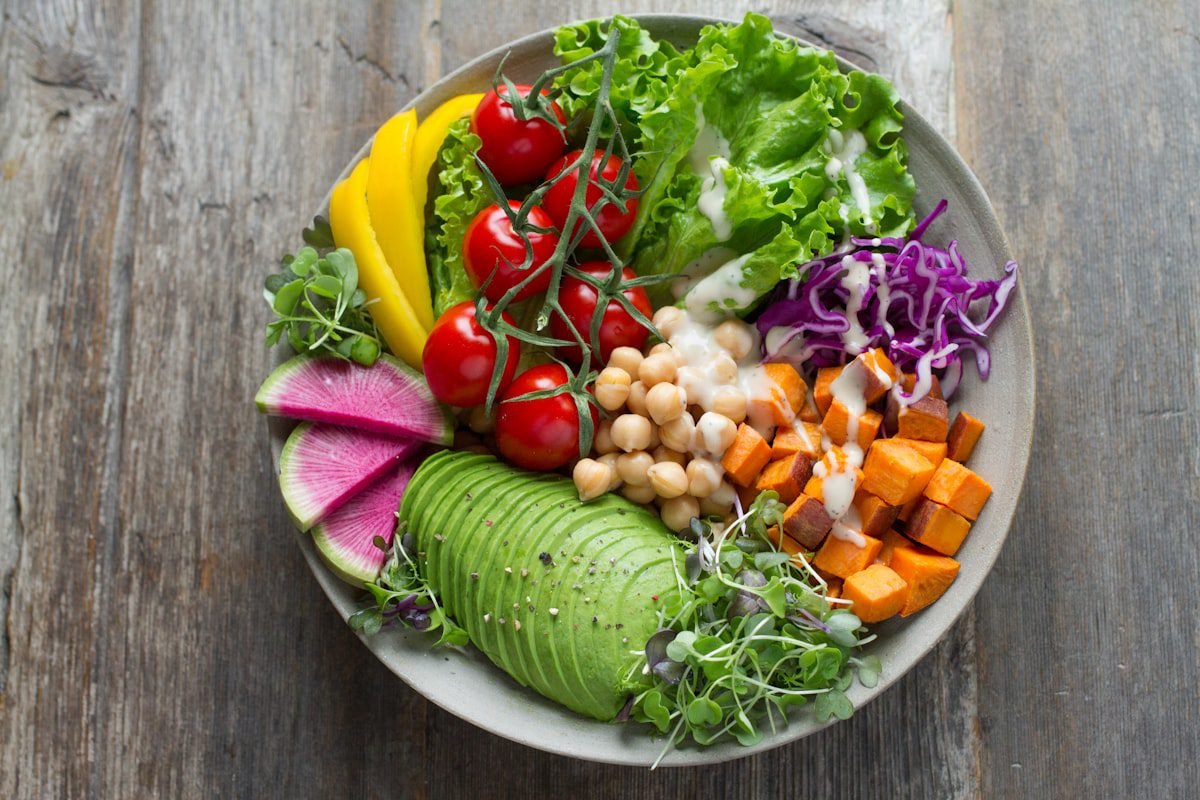
Shrink the rice, grow the sides. Halve your rice portion and fill the space with vegetables, dal and protein. Less rapidly-digested carbohydrate means a smaller spike.
Always pair rice with fibre and protein. A randomised trial confirmed that fibre with a meal raises the satiety hormone GLP-1 and lowers post-meal glucose. Shak, vegetables, dal, fish and egg all slow sugar absorption.
Eat in the right order. Vegetables and protein first, rice last, reduces the glucose spike compared with eating rice first.
Bangladeshi Foods That Help Control Blood Sugar
Food
Why it helps
Use it
Korola (bitter gourd)
Traditionally used and studied for glucose-lowering compounds
2–3× weekly
Dal & pulses
Low glycaemic, high fibre & protein — slows sugar release
Daily
Shak & non-starchy vegetables
Fibre bulk, minimal glucose impact
Every meal
Small fish, eggs, chicken
Protein blunts the glycaemic response of the meal
Daily
Methi (fenugreek) seeds
Soluble fibre studied for improving glucose control
Soaked, daily
Brown/parboiled rice & oats
More fibre, gentler spike than polished white rice
Swap in where possible
Pair these habits with movement — even a 10–15 minute walk after meals meaningfully lowers post-meal glucose — and weight control. Our metabolism guide and protein guide both support better blood-sugar control.
🌿 RECOMMENDED FOR BANGLADESH
NuviaLab Sugar Control — Daily Support for Healthy Blood Sugar
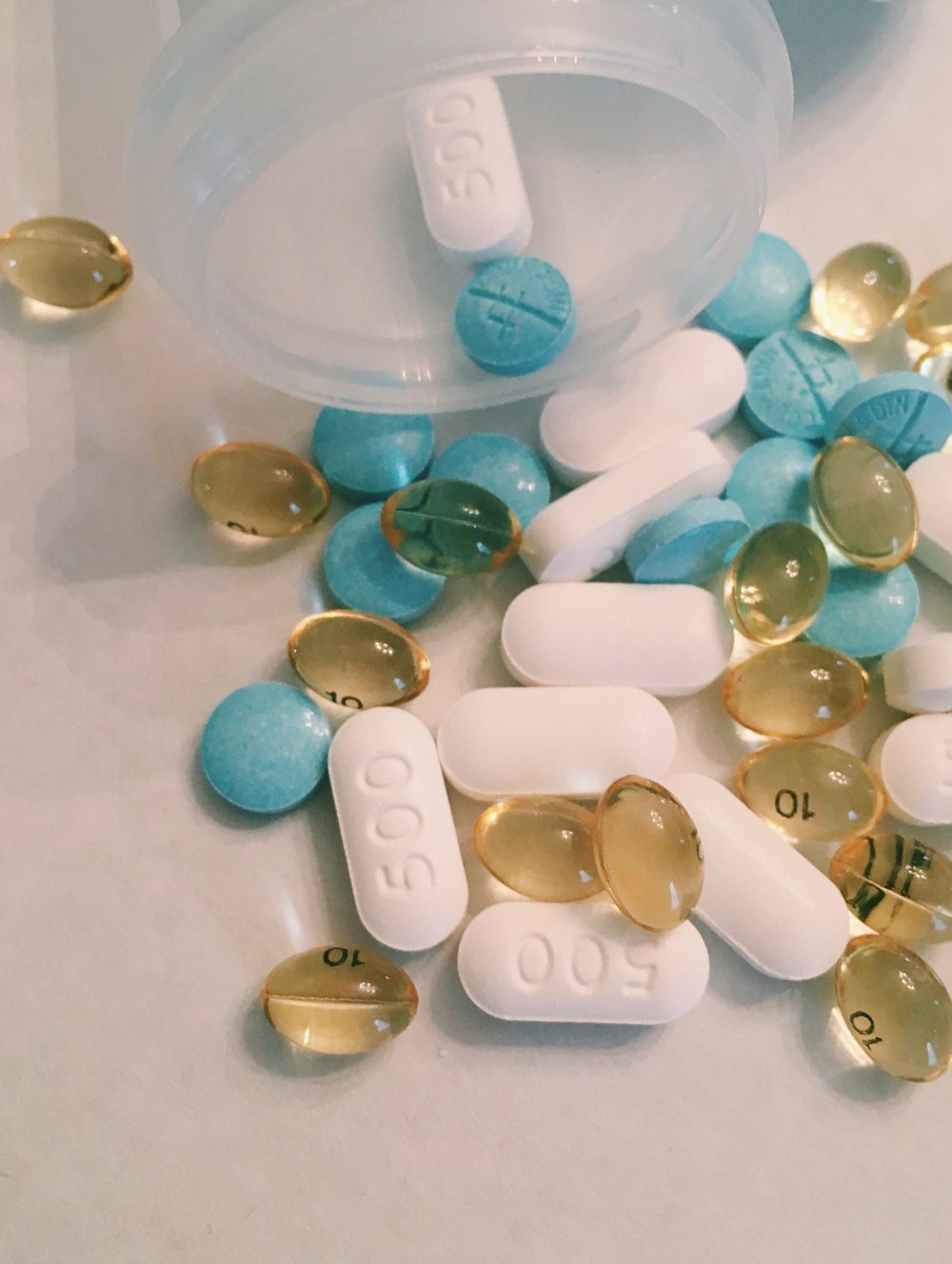
Diet and movement come first — but for people already watching their glucose, a targeted supplement can add support. NuviaLab Sugar Control combines plant extracts traditionally used for blood-sugar balance — white mulberry leaf, cinnamon and bitter melon — with chromium and zinc. Chromium, in particular, contributes to the maintenance of normal blood-glucose levels and normal macronutrient metabolism according to NIH. It is designed to complement a balanced, lower-glycaemic diet — not to replace medication or a doctor’s care. If you are diabetic or on glucose-lowering drugs, talk to your doctor before adding any supplement.
🌿 Also worth a look: if managing cholesterol alongside blood sugar, Lipid Control Plus targets the lipid side of metabolic health.
When to See a Doctor
Get tested if you have a family history of diabetes, are overweight, or notice excessive thirst, frequent urination, unexplained weight loss, or persistent fatigue. Early diagnosis and lifestyle change can prevent or delay full type-2 diabetes. BIRDEM and government hospitals across Bangladesh offer screening.
Scientific References
International Diabetes Federation. IDF Diabetes Atlas — Bangladesh country data. diabetesatlas.org
Diabetes among adults in Bangladesh — changes in prevalence and risk factors across two national surveys. PMC9362782
NIH Office of Dietary Supplements. Chromium — role in normal glucose metabolism. ods.od.nih.gov
This article is for educational purposes only. It is not a substitute for professional medical advice. If you have diabetes or take glucose-lowering medication, consult your doctor before changing your diet or starting any supplement.
Type 2 diabetes is rising fast in Bangladesh, driven by rice-heavy diets, sugary drinks, less physical activity and a genetic tendency among South Asians to store belly fat. The good news: prevention is very achievable, and the same habits protect your heart too.
Proven ways to prevent high blood sugar
Right-size rice and add protein, dal and vegetables to slow the sugar release
Cut sugary drinks — the easiest single win
Walk daily, and especially after meals, to lower blood-sugar spikes
Lose excess belly fat — even a small loss improves insulin sensitivity
Sleep well and manage stress — both affect blood sugar
Get tested — a fasting glucose or HbA1c test catches pre-diabetes early, when it’s reversible
Know the early warning signs
Increased thirst, frequent urination, unexplained tiredness, slow-healing wounds or blurred vision deserve a blood-sugar test. Pre-diabetes usually has no symptoms at all, which is why testing matters if you have risk factors like family history or excess weight.
Can pre-diabetes be reversed?
Often, yes. With weight loss, dietary change and regular activity, many people bring blood sugar back to normal and avoid progressing to diabetes.
This article is general information, not medical advice. If stress, low mood or symptoms persist, please speak to a doctor or counsellor.
Mohammad Ruman is the editor and researcher at Healthy Bangladesh. Every article is personally researched against WHO, ICDDR,B / MOHFW guidance and peer-reviewed medical literature, following our editorial policy. Last updated 25 Jul 2026.
Medical disclaimer: This article is for general information only and is not a substitute for professional medical advice, diagnosis or treatment. Always consult a qualified doctor about your health.
To provide the best experiences, we use technologies like cookies to store and/or access device information. Consenting to these technologies will allow us to process data such as browsing behavior or unique IDs on this site. Not consenting or withdrawing consent, may adversely affect certain features and functions.
Functional
Always active
The technical storage or access is strictly necessary for the legitimate purpose of enabling the use of a specific service explicitly requested by the subscriber or user, or for the sole purpose of carrying out the transmission of a communication over an electronic communications network.
Preferences
The technical storage or access is necessary for the legitimate purpose of storing preferences that are not requested by the subscriber or user.
Statistics
The technical storage or access that is used exclusively for statistical purposes.The technical storage or access that is used exclusively for anonymous statistical purposes. Without a subpoena, voluntary compliance on the part of your Internet Service Provider, or additional records from a third party, information stored or retrieved for this purpose alone cannot usually be used to identify you.
Marketing
The technical storage or access is required to create user profiles to send advertising, or to track the user on a website or across several websites for similar marketing purposes.






2 thoughts on “Blood Sugar & Diabetes Prevention: The Best Foods for Bangladeshis”