📋 Written following Healthy Bangladesh’s Editorial Standards — sources include WHO, NIH, BMJ & MOHFW
Content verified against guidance from the American College of Sports Medicine (ACSM), the American Heart Association, and peer-reviewed research on NIH/PubMed. For informational purposes only — not a substitute for medical advice. Our editorial standards →
Affiliate Disclosure: This article contains affiliate links. We may earn a commission at no extra cost to you. | Reviewed against ACSM flexibility-training guidelines, American Heart Association stretching guidance, and a systematic review of flexibility training and functional ability in older adults (PMC3503322).
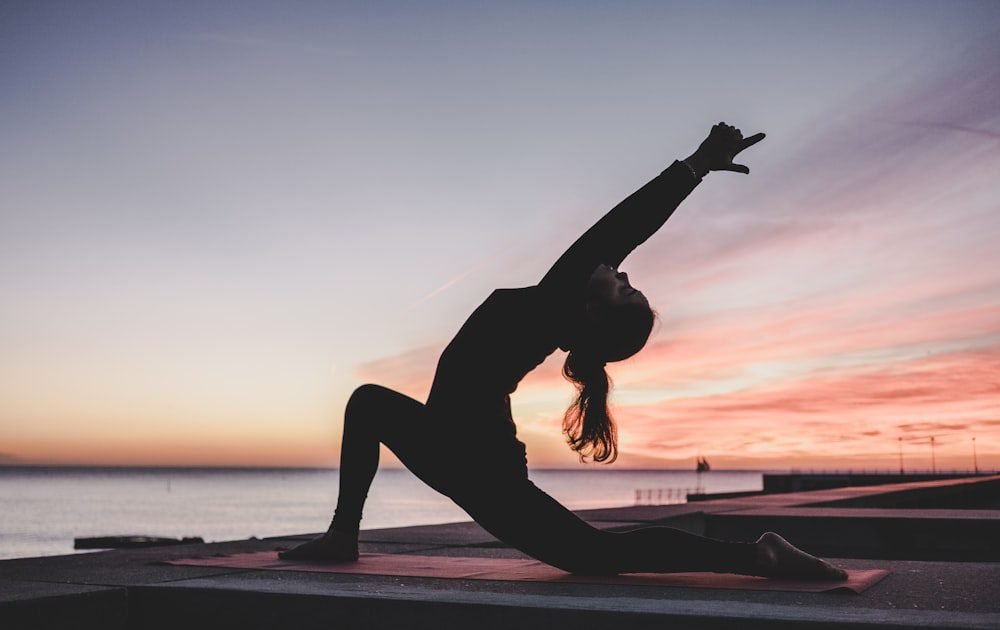
Stiff Back, Tight Hips, Aching Knees? In Sedentary Dhaka Life, Flexibility Is the Fitness Most People Neglect
A little daily flexibility and mobility work can undo much of the damage that long hours of sitting cause. Hours in traffic, long stretches at a desk or over a phone, and little daily movement leave the modern Bangladeshi body tight and stiff. We obsess over weight and steps, but rarely stretch — and it shows up as a locked lower back, tight hamstrings and hips, rounded shoulders from screens, and knees that complain on the stairs. Flexibility and mobility are what keep you moving freely, standing tall, and pain-free as you age. The good news: this is the easiest kind of training to do at home, for free, in ten minutes a day.
The American College of Sports Medicine (ACSM) — the world’s largest sports-medicine and exercise-science body — recommends flexibility work for all adults, and the evidence is clear that it improves range of motion, posture and balance. As the American Heart Association summarises the guidance, stretching most major muscle groups regularly helps maintain the mobility needed for everyday life. A systematic review of older adults confirms that even later in life, people retain the ability to regain flexibility through consistent stretching.
Mobility vs Flexibility — and Why You Need Both
Flexibility is how far a muscle can lengthen; mobility is how well a joint moves through its full range under control. Sitting all day shortens hip flexors and hamstrings and stiffens the spine and shoulders. Training both — gentle stretching plus active joint movement — restores easy, pain-free motion and reduces the everyday aches that sedentary life creates.
The 10-Minute Daily Mobility Routine
Do this most days. Move gently into each position, breathe, and never force into sharp pain. Hold static stretches 20–30 seconds each.
| Movement | Targets | How |
|---|---|---|
| Cat–cow | Spine | On all fours, arch and round the back slowly ×10 |
| Hip-flexor lunge stretch | Hips | Kneeling lunge, ease hips forward, 30s each side |
| Standing hamstring stretch | Hamstrings | Hinge forward, soft knees, 30s |
| Chest & doorway stretch | Chest, shoulders | Forearms on doorframe, step through, 30s |
| Seated spinal twist | Back, obliques | 30s each side |
| Ankle & shoulder circles | Joints | 10 slow circles each direction |
Pair mobility with strength for the best joint health — see our home muscle-building guide and no-equipment workout. Strong muscles around a mobile joint are what keep you moving well for decades.

🌿 Also worth a look: for broader joint and mobility support, NuviaLab Flex is another well-formulated option available for Bangladesh.
Scientific References
- American College of Sports Medicine — flexibility training guidelines (2–3×/week; hold 10–30s, 30–60s for older adults). Summarised by the American Heart Association. heart.org
- Flexibility Training and Functional Ability in Older Adults: A Systematic Review. PMC3503322
This article is for educational purposes only. Consult a healthcare professional before starting a new exercise or supplement programme, especially if you have arthritis, a joint injury, or a diagnosed condition.
Related reading: Build Muscle at Home · No-Equipment Home Workout · Cycling in Dhaka
A daily mobility routine you can keep
Ten minutes of mobility a day keeps joints healthy, reduces stiffness and lowers injury risk — especially valuable if you sit a lot. No equipment needed.
- Neck & shoulders: slow rolls and reaches
- Spine: cat–cow, gentle twists
- Hips: hip circles, deep squats to sit, lunging stretches
- Hamstrings & calves: forward folds, wall calf stretches
- Ankles & wrists: circles both directions
How to get the most from it
Move slowly and breathe; never force a stretch into pain. Do it daily — morning to loosen up or evening to unwind. Over weeks you’ll notice easier movement, better posture and fewer aches. Pair it with regular walking and some strength work for the best results.
Should I stretch before or after exercise?
Do gentle dynamic mobility before, and longer static stretches after when muscles are warm. Avoid deep static stretching of cold muscles before intense activity.
This article is general information, not medical advice. If you have pain, a health condition, or are pregnant, check with a doctor before starting a new routine.
Related reading: Back Pain for Desk & Office Workers in Bangladesh
Related reading: Stretching & Flexibility for Beginners in Bangladesh





2 thoughts on “Flexibility and Mobility at Home in Bangladesh: A 10-Minute Daily Routine”