🩺 Reviewed for Accuracy • Healthy Bangladesh Editorial Team Content verified against WHO physical-activity guidelines and peer-reviewed research on NIH/PubMed. For informational purposes only — not a substitute for medical advice. Our editorial standards →
Affiliate Disclosure: This article contains affiliate links. We may earn a commission at no extra cost to you. | Reviewed against WHO physical-activity guidelines for adults and American Heart Association activity guidance.
For Many Bangladeshi Women, the Gym Isn’t the Answer — Home Is. And Home Is Enough.
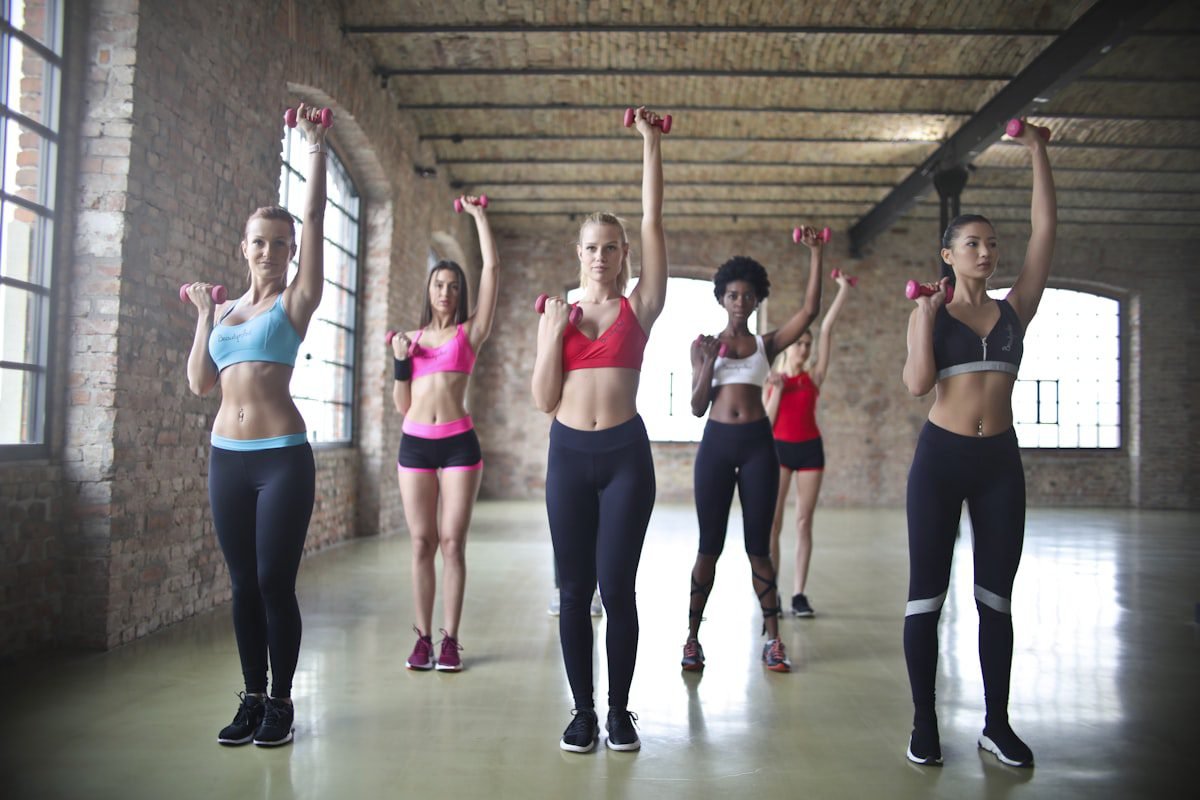
Safe, private exercise for women is far more achievable than most Bangladeshi households assume. For women across Bangladesh, staying active runs into very real barriers: few women-friendly gyms, concerns about privacy and safety, family and household responsibilities, cost, and social expectations. The result is that women here are, on average, less physically active than men — even though the health payoff of exercise is arguably greater for women, protecting against anaemia-related fatigue, weak bones, PCOS, pregnancy complications, and the anxiety and low mood that so many carry silently. The good news is liberating: you can meet every official activity target at home, in private, for free.
The World Health Organization recommends that adults do at least 150–300 minutes of moderate activity per week, plus muscle-strengthening on 2 or more days. Nothing in that guidance requires a gym, equipment, or leaving your home. A living-room floor, ten to thirty minutes, and consistency are all you need — and every minute counts, even in short bursts between chores.
150 min
Moderate activity per week (WHO minimum)
2 days
Muscle-strengthening work each week
0 taka
Cost of a full home routine, in full privacy
Why Exercise Matters Even More for Women
Regular movement helps women in ways food alone cannot: it strengthens bones against the osteoporosis that Bangladeshi women are especially prone to (linked to widespread vitamin D deficiency), improves insulin sensitivity for those with PCOS, supports healthy weight, and is one of the most effective non-drug treatments for anxiety and low mood. You do not need to become an athlete — you need to move most days.
The At-Home Women’s Routine (No Equipment, Full Privacy)
Aim for 4–5 days a week. Start where you are and build up. Combine a few minutes of cardio with the strength moves below.
Type
Do this at home
How much
Cardio
Brisk marching/jogging in place, stair climbing, dancing to music
Fast Burn Extreme — A Thermogenic Boost for Your Home Workouts
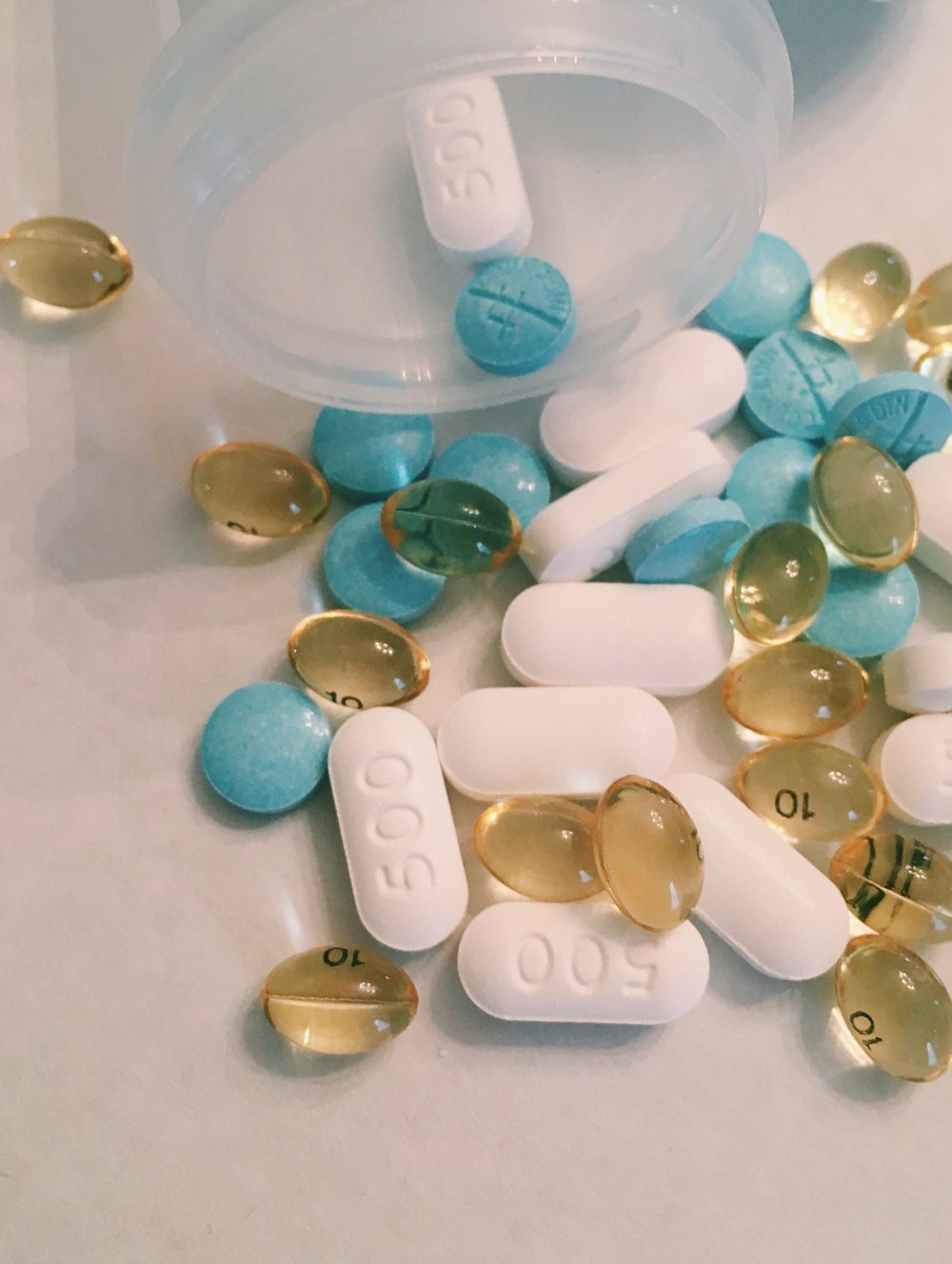
If your goal is fat loss and energy for your sessions, a thermogenic can give your home routine an extra push. Fast Burn Extreme is a plant-based fat-burner combining green tea, capsaicin (chilli), caffeine and Indian nettle — ingredients that support energy expenditure, fat oxidation and workout performance. For busy women fitting exercise around family and work, it can help you train with more energy and get more from the same 20 minutes. It supports an active, calorie-aware lifestyle — it is not a substitute for moving your body and eating well. Avoid if you are sensitive to caffeine, pregnant or breastfeeding.
🌿 Also worth a look: for gentle daily energy support rather than a stimulant burner, NuviaLab Vitality pairs vitamins and adaptogens.
Scientific References
World Health Organization. Physical activity — fact sheet (150–300 min/week moderate activity; muscle-strengthening 2+ days). who.int
American Heart Association — physical activity and stretching recommendations for adults. heart.org
This article is for educational purposes only. Consult a healthcare professional before starting a new exercise or supplement programme, especially during pregnancy or with a medical condition.
You don’t need a gym or equipment. A balanced 20–30 minute routine at home, done 3–4 times a week, builds strength, protects bones and supports weight management — all in privacy and on your schedule.
Warm-up (5 min): marching on the spot, arm circles, gentle stretches
Upper body: wall or knee push-ups, arm raises with water bottles
Core: planks, dead bugs, gentle crunches
Cardio bursts: stepping, skipping, or brisk marching
Cool-down (5 min): stretching and slow breathing
Making it a habit
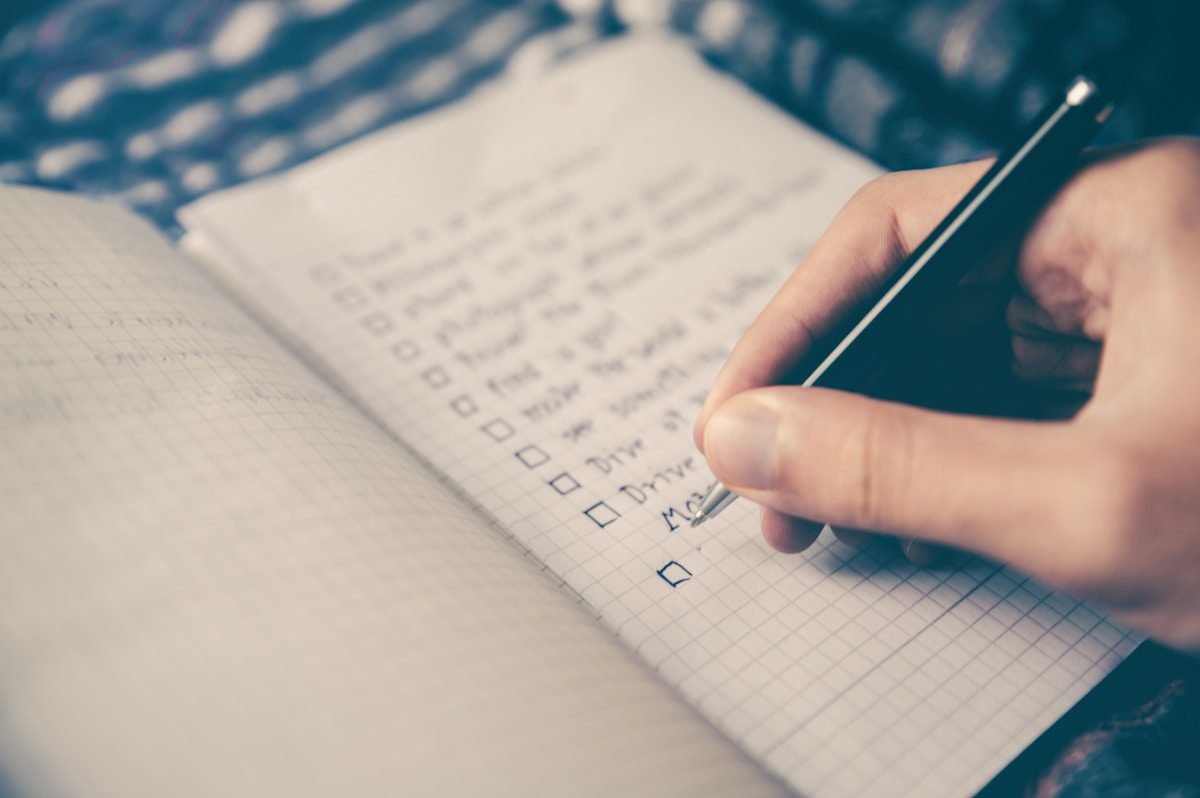
Start with what you can manage — even 10 minutes counts — and build up. Fix a regular time (early morning or after chores), keep it distraction-free, and progress by adding reps or a third set as you get stronger. Consistency matters far more than intensity.
Can I exercise at home during periods or pregnancy?
Light activity is usually fine and can help during periods. In pregnancy, gentle exercise is beneficial for most women, but check with your doctor and avoid high-impact or lying-flat moves later on.
This article is general information, not medical advice. If you have pain, a health condition, or are pregnant, check with a doctor before starting a new routine.
Mohammad Ruman is the editor and researcher at Healthy Bangladesh. Every article is personally researched against WHO, ICDDR,B / MOHFW guidance and peer-reviewed medical literature, following our editorial policy. Last updated 14 Aug 2026.
Medical disclaimer: This article is for general information only and is not a substitute for professional medical advice, diagnosis or treatment. Always consult a qualified doctor about your health.
To provide the best experiences, we use technologies like cookies to store and/or access device information. Consenting to these technologies will allow us to process data such as browsing behavior or unique IDs on this site. Not consenting or withdrawing consent, may adversely affect certain features and functions.
Functional
Always active
The technical storage or access is strictly necessary for the legitimate purpose of enabling the use of a specific service explicitly requested by the subscriber or user, or for the sole purpose of carrying out the transmission of a communication over an electronic communications network.
Preferences
The technical storage or access is necessary for the legitimate purpose of storing preferences that are not requested by the subscriber or user.
Statistics
The technical storage or access that is used exclusively for statistical purposes.The technical storage or access that is used exclusively for anonymous statistical purposes. Without a subpoena, voluntary compliance on the part of your Internet Service Provider, or additional records from a third party, information stored or retrieved for this purpose alone cannot usually be used to identify you.
Marketing
The technical storage or access is required to create user profiles to send advertising, or to track the user on a website or across several websites for similar marketing purposes.