📋 Written following Healthy Bangladesh’s Editorial Standards — sources include WHO, NIH, BMJ & MOHFW
Content verified against peer-reviewed research from NIH/PubMed, WHO, BDHS, and published metabolic-physiology research. Named experts are cited throughout. For informational purposes only — not a substitute for medical advice. Our editorial standards →
Affiliate Disclosure: This article contains affiliate links. We may earn a commission at no extra cost to you. | Reviewed against Dulloo et al. (American Journal of Clinical Nutrition) on green-tea thermogenesis, a systematic review of green-tea catechins and resting metabolic rate (PMC7922336), Halton & Hu on the thermic effect of protein, and Bangladesh Demographic and Health Survey 2017–18 overweight/obesity data (PMC10742748).
“Slow Metabolism” Is Real — But It Is Mostly Built by Habits You Can Change
Learning how to boost your metabolism is less about magic pills and more about four everyday levers. Overweight and obesity are rising fast in Bangladesh. According to the Bangladesh Demographic and Health Survey 2017–18, about 45.6% of women and 32.7% of men are now overweight or obese, climbing above 50% in urban areas — a dramatic shift for a country long defined by undernutrition. When weight creeps up despite “not eating that much,” people blame a slow metabolism. The truth is more useful: metabolism is largely the sum of four things you influence every day — and you can nudge each one upward.
Professor Abdul Dulloo, PhD, of the Department of Physiology at the University of Geneva, is one of the pioneers of human metabolic research. His famous study in the American Journal of Clinical Nutrition showed that green-tea catechins combined with caffeine raise 24-hour energy expenditure and fat oxidation beyond caffeine alone — early, rigorous evidence that specific foods can measurably shift how much fat the body burns. His work underpins much of what we now know about naturally supporting metabolic rate.
The Four Levers of Your Metabolism
1. Basal Metabolic Rate — Build Muscle to Raise Your Baseline
Your BMR — the energy you burn at rest — is the largest slice of daily calorie use, and muscle is more metabolically active than fat. Every kilogram of muscle you add nudges your resting burn upward and improves blood-sugar control. This is why strength training at home is one of the most powerful fat-loss tools available — it protects and builds the tissue that keeps your metabolism high.
2. The Thermic Effect of Food — Eat More Protein
Your body burns energy digesting food, and protein is by far the most “expensive” macronutrient: 20–30% of protein’s calories are used up in digestion, versus 5–10% for carbohydrates and almost none for fat (Halton & Hu, 2004). A higher-protein diet also keeps you fuller, so you eat less overall. Anchor meals with fish, eggs, dal and chicken — see our protein guide.
3. NEAT — Move More Without “Exercising”
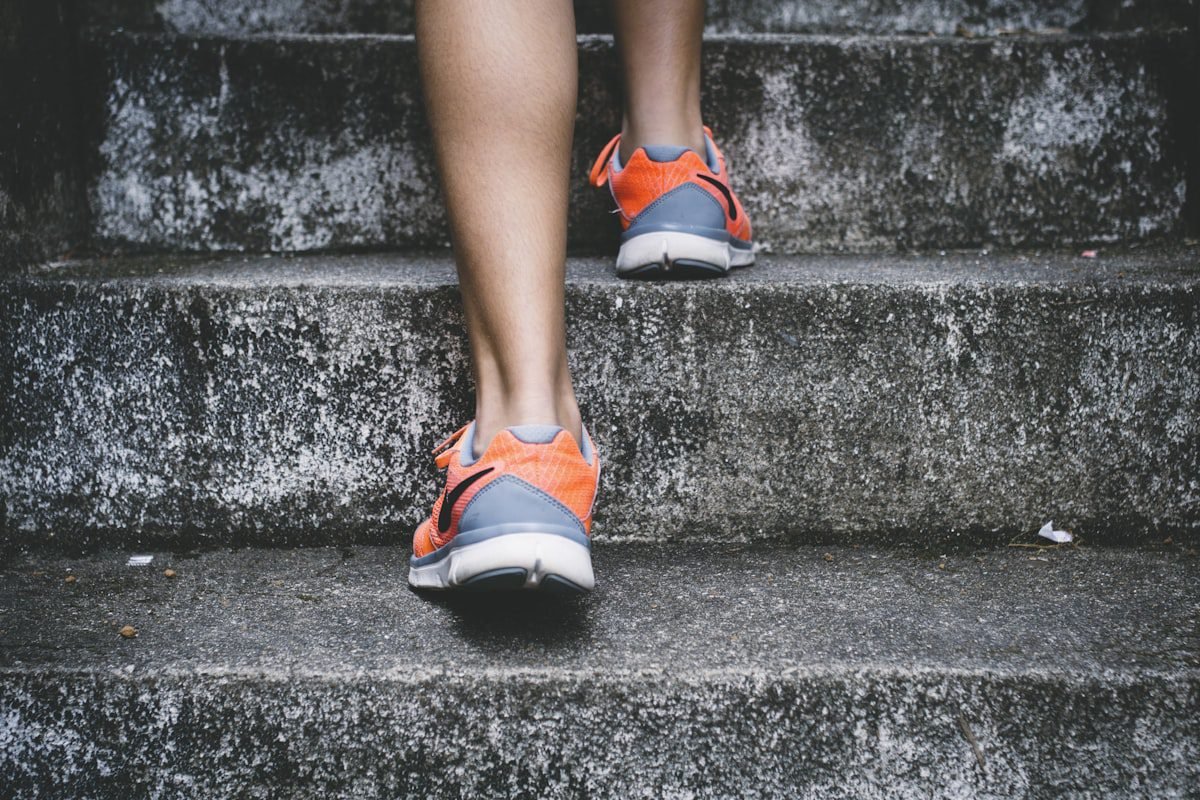
Non-Exercise Activity Thermogenesis is everything you burn outside formal workouts: walking, stairs, housework, standing. In sedentary Dhaka life it collapses — long commutes sitting in traffic, desk work, lifts instead of stairs. Reclaiming NEAT (a daily walk, taking the stairs, standing breaks) can add hundreds of calories of burn a day. Our belly-fat guide goes deeper.
4. Diet Composition — Use Thermogenic Foods
Green tea, coffee and chillies (capsaicin) modestly raise energy expenditure and fat oxidation. A systematic review of green-tea catechins confirms small but real increases in resting metabolic rate — helpful as a supporting tactic, not a magic bullet.
| Lever | Single best action | Realistic impact |
|---|---|---|
| BMR | Strength-train 3×/week | Raises resting burn long-term |
| Thermic effect | Protein at every meal (1.2–1.6 g/kg) | Burns more digesting + curbs appetite |
| NEAT | 7,000–10,000 steps/day | Hundreds of extra calories daily |
| Diet composition | Green tea, adequate sleep, less sugar | Small metabolic + big appetite gains |
Don’t forget sleep. Short sleep disrupts the hormones that control hunger and fat storage — see our sleep guide. You cannot out-train a chronically sleep-deprived metabolism.
🌿 Also worth a look: prefer to drink your metabolism support? Matcha Extreme delivers concentrated green-tea catechins as a daily drink.
Scientific References
- Dulloo AG, et al. Efficacy of a green-tea extract rich in catechin polyphenols and caffeine in increasing 24-h energy expenditure and fat oxidation. Am J Clin Nutr. 1999. PMID 10584049
- Green-tea catechins and resting metabolic rate / energy expenditure — systematic review. PMC7922336
- Halton TL, Hu FB (2004). The effects of high-protein diets on thermogenesis, satiety and weight loss. J Am Coll Nutr. PMID 15507147
- Rural–urban differences in overweight/obesity among Bangladeshi adults — BDHS 2017–18. PMC10742748
This article is for educational purposes only. Consult a healthcare professional before starting any supplement or weight-loss programme, particularly if you have a heart condition, high blood pressure, or are sensitive to caffeine.
Related reading: Reduce Belly Fat in Bangladesh · Intermittent Fasting Guide · 7-Day Weight-Loss Meal Plan · How to Lose Belly Fat Without a Gym
More weight-loss guides: Reduce Belly Fat · 7-Day Weight-Loss Meal Plan · Weight-Loss Tips for Women · Why Crash Diets Fail · Walking for Weight Loss · Intermittent Fasting · Weight Loss for Women · 📚 Weight-Loss Hub





2 thoughts on “How to Boost Your Metabolism in Bangladesh for Fat Loss”