Content verified against peer-reviewed research from NIH/PubMed, WHO, BIRDEM, and ICDDR,B. Named clinical experts are cited throughout each article. For informational purposes only — not a substitute for medical advice. Our editorial standards →
Introduction
If you’re a Bangladeshi woman trying to lose weight, you’ve probably noticed that the advice out there doesn’t quite fit your life. Western weight loss guides ignore the reality you live: hormonal changes, cooking for your family while eating last yourself, social pressure around food at gatherings, limited time, and safety concerns around exercising outdoors in Bangladesh.
Weight loss for Bangladeshi women is genuinely harder than for men — not because you lack willpower, but because your body, hormones, and circumstances are different. Dr. JoAnn Manson, MD, DrPH, Chief of Preventive Medicine at Brigham and Women’s Hospital and Professor of Medicine at Harvard Medical School, has spent decades researching women’s health and weight management. Her landmark VITAL study found that women’s nutritional needs — particularly for vitamin D, calcium, and omega-3 fatty acids — are substantially different from men’s and directly affect metabolic health, bone density, and long-term weight maintenance.
The good news? There are proven, practical solutions that work within your actual life. This guide is built on what actually works for Bangladeshi women: sustainable changes you can maintain for years, not crash diets that leave you exhausted and hungry.
Why Weight Loss Is Different for Women in Bangladesh
Hormones
Your oestrogen naturally causes your body to store fat differently — particularly around your hips, thighs, and lower belly. After pregnancy, your metabolism shifts. Hormonal changes during your monthly cycle affect water retention and hunger. These are biological realities, not excuses.
Nutritional Gaps Unique to Bangladeshi Women
Research consistently shows that Bangladeshi women face three critical micronutrient deficiencies that directly impair metabolism and make weight loss harder: Vitamin D (affects fat cell metabolism, insulin sensitivity, and mood), iron (anaemia causes fatigue, reducing physical activity), and B vitamins (essential for energy metabolism and thyroid function). Our Vitamin D deficiency guide for Bangladesh and our iron deficiency guide cover these in full. Addressing nutritional gaps is often the hidden key that unlocks weight loss that diet and exercise alone cannot achieve.
Cultural and Family Factors
Many Bangladeshi women cook nutritious meals for their families but eat last, often eating leftovers or smaller portions. Social pressure around food at family events, weddings, and celebrations makes saying no to mishti or extra servings feel rude.
Limited Safe Exercise Options
Exercising outdoors in Bangladesh isn’t always safe or comfortable for women due to harassment, heat, or lack of dedicated spaces.
Stress and Time Poverty
Balancing household responsibilities with work creates chronic stress. When you’re stressed, your body produces more cortisol — which signals fat storage specifically in the abdominal area. See our complete guide on managing stress in Dhaka.
10 Practical Weight Loss Tips for Bangladeshi Women
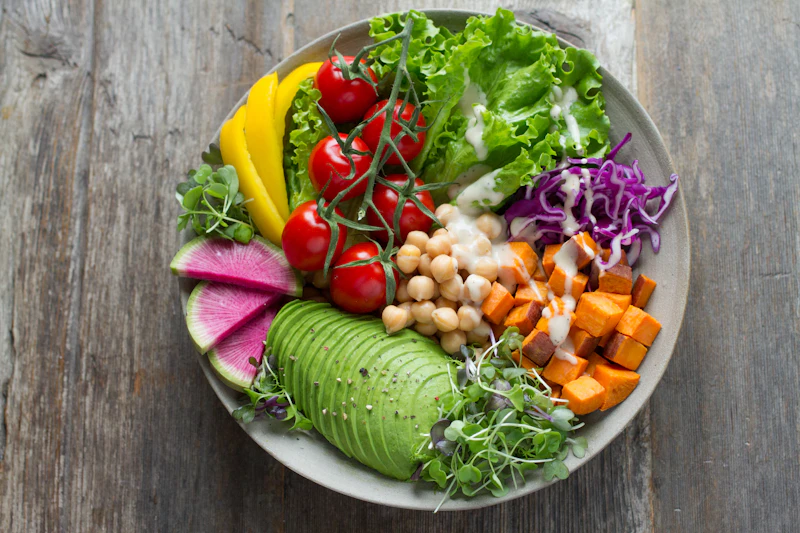
- Eat More Protein at Every Meal — Protein keeps you fuller longer, prevents muscle loss during weight loss, and boosts your metabolism through the thermic effect of food. For Bangladeshi women, this means adding more of what you already cook: fish (rui, katla, tilapia), eggs, lentils (dal), and chicken. Aim for a palm-sized portion of protein at lunch and dinner, and include eggs or dal at breakfast.
- Shrink Your Rice Portions — Don’t Eliminate Them — Reduce your portion by 25–30%. Fill the rest of your plate with vegetables and protein. This habit alone could cut 200–300 calories a day without willpower.
- Add Vegetables to Every Plate — Shaak, lau, begun, mixed sabji — cheap, filling, and nutrient-dense. A plate half-filled with vegetables means less room for high-calorie foods. Lal shaak and palong shaak also provide iron — see our iron deficiency guide.
- Walk 30 Minutes Daily — At Home if Outdoors Feels Unsafe — Walking is the most sustainable exercise for long-term weight loss. If you can’t walk outside safely, walk in your home, back and forth in a hallway, or follow a YouTube walking video. Also consider our beginner yoga guide — 20 minutes daily indoors.
- Drink Water Before Every Meal — A glass of water 15 minutes before eating naturally reduces your portion size because you’re already partly full. Aim for 2–3 liters of water daily.
- Don’t Skip Breakfast — Skipping breakfast drops your blood sugar, makes you irritable, and leads to overeating later. A simple breakfast of roti with an egg, or rice with dal and vegetables, sets your metabolism for the day.
More Weight Loss Tips for Bangladeshi Women
- Manage Stress Through Mindfulness — High stress = high cortisol = belly fat storage. A daily mindfulness practice — 10 minutes of deep breathing, prayer, or meditation — lowers cortisol and reduces stress eating. Read our mental wellness guide for Bangladeshis.
- Sleep 7–8 Hours Nightly — Sleep deprivation increases ghrelin (your hunger hormone) and decreases leptin (your fullness hormone). Better sleep is one of the most underrated weight loss tools. Our science-backed sleep guide gives you a complete system.
- Limit Ultra-Processed Snacks — Reduce chips, biscuits, and soft drinks to 2–3 times a week. A can of soft drink is 150+ calories with zero nutrition. Water or unsweetened tea is better and cheaper.
- Be Consistent, Not Perfect — 80% adherence to healthy eating and exercise over months consistently outperforms 100% for two weeks followed by giving up entirely.
Address the Hidden Micronutrient Gaps That Block Weight Loss
Research consistently shows that women with low Vitamin D, iron, and B-vitamin levels struggle disproportionately with weight loss — not because they lack discipline, but because their metabolism, energy production, and hormonal signalling are impaired at a cellular level. This is particularly common in Bangladesh where dietary variety is often limited.
A 2024 comprehensive review published in NIH/PMC (Nutrients journal) confirmed that combined Vitamin D3 and K2 supplementation improves bone mineral density, reduces cardiovascular calcification risk, and supports healthy body composition in women — particularly postmenopausal women and those over 40. A 2025 VITAL study report further confirmed that Vitamin D3 supplementation (2,000 IU daily) significantly reduced cellular aging markers, with benefits especially pronounced in women.
⚠️ Important: Supplements should complement — not replace — the dietary and lifestyle changes in this guide. Always get a blood test before supplementing (TSH, serum ferritin, 25-OH Vitamin D). These are affordable at most diagnostic labs in Dhaka and give you exact data on what your body actually needs. Consult your doctor before starting any supplement programme.
Our Recommended Supplements for Bangladeshi Women
⭐ PREMIUM PICK
Centrum Minis Silver — Women’s Multivitamin for Women 50 Plus
A complete multivitamin formulated specifically for women over 50, addressing the exact micronutrient gaps most common in Bangladeshi women at midlife: Vitamin D3 for fat metabolism and immune function, B vitamins (B6, B12, folate) for energy metabolism and hormonal health, and essential minerals. The “Minis” format means smaller tablets — easier to swallow daily. Non-GMO ingredients. Particularly useful for women experiencing slower metabolism, fatigue, or difficulty losing weight despite diet and exercise — as these are often signs of micronutrient insufficiency.
✓ Vitamin D3 — fat metabolism and immune support
✓ B6, B12, folate — energy metabolism
✓ Formulated for women 50+ hormonal needs
✓ Non-GMO, small tablet format
💰 BEST VALUE
Sports Research Vitamin D3 + K2 with Coconut Oil — Vegan D3 5000 IU & MK7 K2 100mcg
The Vitamin D3 + K2 combination addresses one of the most common micronutrient gaps in Bangladesh. D3 (5,000 IU) restores deficient levels quickly — important given that over 50% of Bangladeshis are vitamin D deficient. K2 (MK-7 form, 100mcg) works synergistically: it directs the calcium that D3 mobilises into bones rather than arteries. The coconut oil base improves fat-soluble vitamin absorption. The NIH/PMC 2024 comprehensive review confirmed D3+K2 co-supplementation significantly improves bone density and cardiovascular markers in women. Vegan-friendly formula.
✓ 5,000 IU D3 — restores deficiency effectively
✓ MK-7 K2 — directs calcium to bones not arteries
✓ Coconut oil base — optimal fat-soluble absorption
✓ Vegan, non-GMO
More Supplement Options for Weight Loss
Which is right for you? If you are 40+ and want comprehensive support across multiple micronutrients, the Centrum Silver Minis is the broader solution. If your main concern is Vitamin D deficiency specifically (very common in Bangladeshi women with indoor lifestyles or full-coverage clothing), the D3+K2 formula targets that gap directly at a therapeutic dose. Both are best taken with a fat-containing meal for optimal absorption.
What to Eat: A Simple Bangladeshi Plate
Foods to Reduce (Not Ban)
- White rice portions (reduce, not eliminate)
- Deep-fried snacks and fried rice
- Sweet drinks and carbonated beverages
- Mishti (save for occasional treats)
- Excessive oil in cooking
For a complete 7-day meal plan using local foods, read our Bangladeshi Diet Plan for Weight Loss.
Exercise for Bangladeshi Women: What’s Realistic
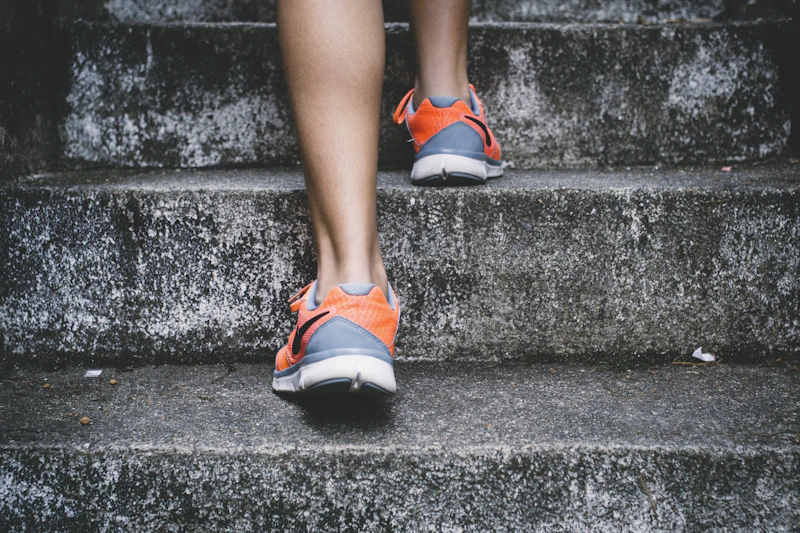
You don’t need a gym membership. Walking is the #1 most sustainable activity. Home workouts require no equipment and fit any schedule. Yoga is excellent for hormonal balance, flexibility, and stress reduction — our beginner yoga guide starts you in 20 minutes a day. Strength training matters — building muscle raises your resting metabolism. See our home gym guide for a ৳5,000 starter kit.
Common Myths to Ignore
Total calories matter, not timing.
Healthy fats (fish, nuts) support hormones and fat loss.
Moderate exercise is equally effective.
Save your money for real food. Only address specific deficiencies confirmed by blood testing.
Conclusion
Weight loss is slow. Expect to lose 0.5–1 kg per week at most. Your goal is building habits that last for life, not hitting a number fast. Address your nutritional gaps — get tested for Vitamin D, iron, and thyroid — then build the diet and movement habits that work within your actual life. Be kind to yourself through this process.
Scientific References
- Manson, J.E., MD, DrPH. Chief of Preventive Medicine, Brigham and Women’s Hospital; Professor, Harvard Medical School. VITAL study on women’s Vitamin D supplementation and metabolic health.
- Rusu, M.E. et al. (2024). Vitamin D and K Co-supplementation in Postmenopausal Women: Comprehensive Review of RCTs. Nutrients, NIH/PMC. PMC11279569
- NIH Office of Dietary Supplements. Vitamin D — Health Professional Fact Sheet. (Updated 2024). ods.od.nih.gov
- GlobalRPH / VITAL Study (2025). Vitamin D3 2000 IU reduces telomere shortening over 4 years, preventing equivalent of ~3 years of cellular aging. globalrph.com
The information on this page is for general educational purposes only. Always consult a qualified doctor before starting any supplement programme, particularly if you are pregnant, breastfeeding, have thyroid disease, kidney disease, or take prescription medications. In Bangladesh, seek guidance from BIRDEM or your nearest government hospital.
Frequently Asked Questions
Women have a lower percentage of muscle mass and a higher percentage of body fat than men of the same weight, meaning their resting metabolic rate is naturally lower. Women also experience monthly hormonal fluctuations that can affect appetite, water retention, energy levels, and fat storage. These biological differences mean women generally need fewer calories and may see slower progress — but consistent effort absolutely produces results.
Yes. Conditions including hypothyroidism (very common in Bangladesh — affecting approximately 1 in 7 women), polycystic ovary syndrome (PCOS), high cortisol from chronic stress, and insulin resistance can all make weight loss significantly harder — even when eating well and exercising. If you are doing everything right but not losing weight, ask your doctor to test your thyroid (TSH), blood sugar (HbA1c), and hormone levels.
Additional Scientific References
Intermittent fasting (IF) can be effective for some women, but research suggests that women may be more sensitive to the hormonal effects of extended fasting than men. A gentle approach — such as a 14:10 window (eating within 10 hours, fasting for 14) — tends to work better for women than the more aggressive 16:8 or 18:6 windows. Women who are pregnant, breastfeeding, or have a history of disordered eating should avoid IF entirely.
The most effective combination is 3–4 days of moderate cardio (brisk walking, dancing, skipping, or YouTube aerobic workouts) plus 2–3 days of bodyweight strength exercises (squats, glute bridges, modified push-ups, planks). Strength training is especially important for women as it builds muscle, raises metabolism, and improves body composition. Even 25–30 minutes at home 4–5 days per week produces visible changes over 8–12 weeks.
The thyroid gland regulates metabolism — when it is underactive (hypothyroidism), the body burns calories more slowly, making weight gain easy and weight loss very difficult. Hypothyroidism is significantly more common in Bangladeshi women than men and is frequently undiagnosed. If you experience fatigue, hair loss, feeling cold, constipation, and difficulty losing weight despite trying, a TSH blood test is a simple and affordable first step.
More Scientific References
The most frequent mistakes include: skipping meals (which slows metabolism and leads to overeating later), dramatically cutting carbohydrates all at once (unsustainable and causes energy crashes), relying on ‘herbal slimming teas’ without evidence, not eating enough protein (causing muscle loss instead of fat loss), comparing results to men or to online ‘before and after’ photos, and giving up after 2–3 weeks before the body has had time to adapt.
Gym membership is absolutely not required for effective weight loss. Highly effective home options include daily 30-45 minute brisk walks (one of the most powerful fat-burning activities), free YouTube workout videos (yoga, HIIT, aerobics), skipping rope (excellent for calorie burning), bodyweight circuits at home, and simply being more active throughout the day — using stairs, doing household chores briskly, and avoiding prolonged sitting.
More weight-loss guides: Reduce Belly Fat · 7-Day Weight-Loss Meal Plan · Why Crash Diets Fail · Walking for Weight Loss · Intermittent Fasting · Boost Your Metabolism · Weight Loss for Women · 📚 Weight-Loss Hub






3 thoughts on “Weight Loss Tips for Bangladeshi Women: What Actually Works in 2026”