Muscle Building & Strength Supplements in Bangladesh: The Creatine and BCAA Guide
Content verified against peer-reviewed research from NIH/PubMed, WHO, BIRDEM, and ICDDR,B. Named clinical experts are cited throughout. For informational purposes only — not a substitute for medical advice. Our editorial standards →
Building Muscle in Bangladesh: Why Most Men Are Training Without the Right Nutritional Support
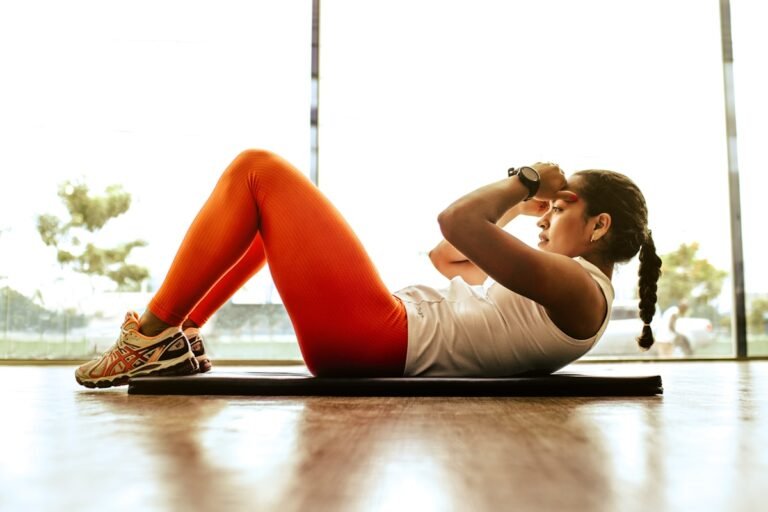
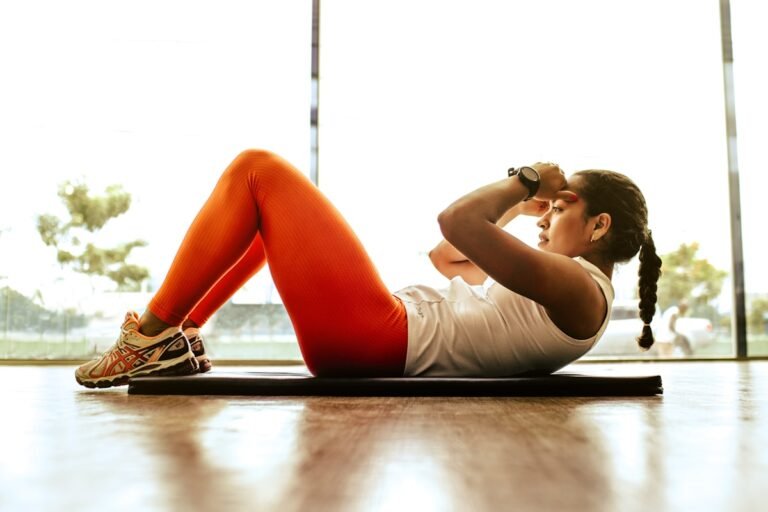
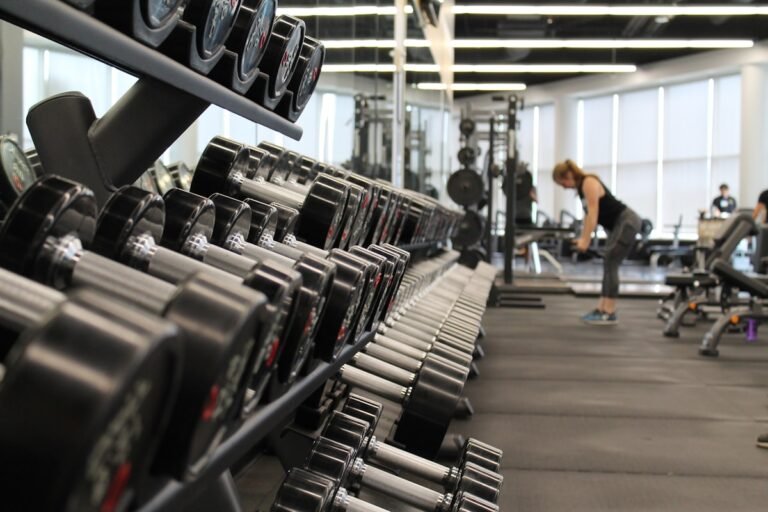
More Bangladeshi men than ever before are going to the gym, doing home workouts, and following fitness content online. Yet a huge gap remains between the effort being invested in training and the results being achieved — because training stimulus without adequate nutritional support produces only a fraction of the possible muscle and strength gains. The two most critical gaps for Bangladeshi men wanting to build muscle: inadequate total protein intake (a consistent finding across South Asian dietary studies) and the absence of the two most evidence-backed performance supplements — creatine and BCAAs.
Dr. Stuart Phillips, PhD, Distinguished University Professor of Kinesiology at McMaster University and the world’s leading researcher on protein metabolism and muscle protein synthesis — with over 300 published papers on the subject — has established through landmark studies that muscle protein synthesis requires: (1) adequate training stimulus, (2) sufficient total daily protein (1.6–2.2g per kg body weight), (3) leucine-rich protein at each meal to trigger the mTOR anabolic signalling pathway, and (4) creatine as the most effective legal performance supplement ever studied. All four factors must be in place for optimal muscle gain.
The Biology of Muscle Growth — What Bangladeshis Need to Know
Muscle growth (hypertrophy) occurs when muscle protein synthesis exceeds muscle protein breakdown — producing a net positive protein balance. This requires two simultaneous conditions: mechanical tension from resistance training (telling the muscle it needs to grow) and adequate amino acids in the bloodstream (providing the raw materials to build new muscle tissue). Missing either condition produces zero muscle growth regardless of effort.
Why Most Bangladeshi Men Struggle to Build Muscle Despite Training
- Inadequate total protein: The traditional Bangladeshi diet — large rice portions with small fish, dal, and vegetable curry — typically provides 50–70g protein daily. Muscle growth requires 90–160g daily for a 60–80kg man. The gap is large.
- Insufficient protein at each meal: Muscle protein synthesis requires approximately 0.4g protein per kg per meal — each meal individually. One large protein meal doesn’t compensate for insufficient protein at other meals.
- Inadequate leucine: Leucine is the specific amino acid that triggers the mTOR anabolic signal. Animal proteins (fish, eggs, chicken) provide high leucine; rice and most dal provide low leucine. Switching protein sources matters.
- Underestimating recovery importance: Bangladesh’s heat increases fluid and electrolyte loss during training. Dehydration reduces training performance and impairs protein synthesis. See our hydration guide.
Creatine — The Most Evidence-Backed Supplement in Sports Nutrition History
Creatine monohydrate is the most studied supplement in sports science history — with over 500 published studies and an unambiguous evidence base. It is on the International Olympic Committee’s list of supplements with documented performance benefits. A meta-analysis of 22 RCTs in the Journal of Strength and Conditioning Research confirmed creatine supplementation produces a mean 10% additional strength gain over resistance training alone, with significant improvements in lean mass and power output.
How it works: Creatine is stored in muscle as phosphocreatine — the immediate energy currency for explosive, high-intensity efforts lasting under 10 seconds (a heavy squat set, a sprint, a maximum pull-up set). By increasing phosphocreatine stores, creatine allows more work to be done per set — and it is this additional volume that stimulates greater muscle growth over time. It also directly stimulates muscle protein synthesis through mTOR signalling, independent of its energy effects.
🇧🇩 Is creatine safe for Bangladeshis? Yes — decades of research confirm creatine monohydrate is safe for healthy adults at 3–5g daily. The myth that creatine damages kidneys has been thoroughly disproven in multiple long-term safety studies. However, creatine increases the need for hydration — critically important in Bangladesh’s heat. Drink an additional 500ml–1 litre of water daily when supplementing. Anyone with existing kidney disease should consult a doctor before use.
BCAAs — Branch Chain Amino Acids for Muscle Preservation and Recovery
BCAAs (branched-chain amino acids — leucine, isoleucine, and valine) are the three amino acids most directly involved in muscle protein synthesis and muscle preservation. They are unique among amino acids in being metabolised directly in muscle rather than the liver — making them rapidly available for muscle repair during and after training.
A 2022 systematic review in Nutrients confirmed BCAAs: reduce exercise-induced muscle damage markers (CK, LDH), decrease delayed-onset muscle soreness (DOMS), accelerate recovery between sessions, and — critically — preserve muscle during periods of caloric deficit or fasted training. The 2:1:1 leucine:isoleucine:valine ratio is the research-backed standard. L-glutamine, often included alongside BCAAs, supports gut integrity (damaged by heavy training) and immune function during intense training blocks.
Bangladeshi High-Protein Foods for Muscle Building
| Food | Protein per 100g | Leucine content | Practical tip |
|---|---|---|---|
| Eggs | 13g | High | 3–4 whole eggs + whites post-workout |
| Chicken breast | 31g | Very high | Grilled chicken with rice — best post-workout meal |
| Hilsa fish | 22g | High | Serves as protein + omega-3 simultaneously |
| Small fish (mola) | 18g | High | Eaten whole — calcium + protein |
| Beef (lean) | 26g | Very high | Post-training in moderation — also creatine source |
| Masoor dal | 9g (cooked) | Low | Combine with animal protein at the same meal |
| Plain doi | 9g | Moderate | Pre-bed protein — slow-digesting casein |
Our Recommended Muscle Building Supplements
⭐ PREMIUM PICK
Optimum Nutrition Micronised Creatine Monohydrate Powder — 5g per serving, Unflavoured
Optimum Nutrition (ON) is the most globally trusted sports nutrition brand — their creatine monohydrate is micronised for better solubility and absorption, unflavoured so it can be added to any drink, and third-party tested for purity and label accuracy. 5g per day is the standard maintenance dose confirmed in the 22-RCT meta-analysis — no loading phase is required (loading simply reaches steady state faster; the same steady state is reached with 5g/day in 3–4 weeks). Mix in water, juice, or post-workout shake. Creatine works through consistent daily accumulation in muscle — effects develop over 3–4 weeks and continue building. Take daily — including rest days. Store away from heat (important in Bangladesh’s climate).
✓ 5g monohydrate — exact dose from research meta-analysis
✓ Micronised for better dissolution and absorption
✓ Third-party purity tested — no banned substance contamination
✓ Unflavoured — adds to any drink or food without taste
💰 BEST VALUE
Nutricost BCAA Powder — 7g BCAAs (2:1:1) + 2.5g L-Glutamine + Electrolytes per serving
Nutricost’s BCAA formula provides the research-backed 7g BCAA dose at the 2:1:1 leucine:isoleucine:valine ratio — the configuration used in the systematic reviews confirming DOMS reduction and muscle preservation. L-glutamine (2.5g) adds gut integrity support — particularly important for high-volume trainers whose intestinal permeability increases with intense training. The electrolyte component addresses the critical hydration need specific to training in Bangladesh’s heat — replacing sodium, potassium, and magnesium lost in sweat simultaneously with the BCAA delivery. Can be taken intra-workout (during training) or immediately post-workout. Suitable for both resistance training and endurance sports — reduces muscle damage and speeds recovery across all training modalities.
More Supplement Recommendations
✓ 7g BCAAs at 2:1:1 — research-backed ratio for muscle synthesis
✓ 2.5g L-glutamine — gut integrity and immune support during training
✓ Electrolytes — critical for Bangladesh’s heat training conditions
✓ Intra or post-workout — flexible timing for recovery
Bulk Extreme — Mass Gain Formula for Bangladeshi Men
Bulk Extreme is formulated specifically for muscle mass gain — combining high-quality protein blend, creatine, HMB (beta-hydroxy beta-methylbutyrate for anti-catabolism), and maca root for testosterone support. Designed for men in a dedicated muscle-building phase seeking maximum hypertrophy. Available for delivery to Bangladesh.
Nutrigo Lab Strength — Performance & Strength Support
Nutrigo Lab Strength combines beta-alanine, citrulline malate, creatine, and B vitamins for pre-workout performance enhancement — improving endurance, reducing muscular fatigue, and supporting training volume that drives muscle growth. Formulated for men focused on strength and performance gains. Available for Bangladesh.
The Bangladeshi Muscle Building Protocol
Nutrition Foundation (non-negotiable):
- Total protein: 1.6–2g × body weight in kg (e.g., 75kg man = 120–150g protein daily)
- Protein at every meal — 30–40g per meal from high-quality sources (eggs, fish, chicken, dairy)
- Caloric surplus: 250–500kcal above maintenance for lean muscle gain
- Hydration: 3–4 litres daily in Bangladesh’s heat — increase to 4–5L on training days
Supplement Stack:
- Creatine 5g/day — any time of day, consistently (including rest days)
- BCAAs 7g — during or immediately after training for best recovery effect
- Protein from food first — supplements fill the gap, not replace the foundation
Training:
- Resistance training 3–4× per week — compound movements (squat, deadlift, press, row)
- Progressive overload — increase weight or reps consistently over weeks
- Adequate sleep — muscle is built during sleep, not during training
See our muscle building beginners guide, high-protein foods guide, and home gym guide for the complete framework.
Scientific References
- Phillips, S., PhD. Distinguished University Professor, Kinesiology, McMaster University. 300+ publications on protein metabolism and muscle protein synthesis. mcmaster.ca
- Lanhers, C. et al. (2017). Creatine supplementation and strength performance: systematic review and meta-analysis of 22 RCTs. Journal of Strength and Conditioning Research.
- Wolfe, R.R. (2022). Branched-chain amino acids and muscle protein synthesis in humans: myth or reality? Nutrients.
- Morton, R.W. et al. (2018). A systematic review, meta-analysis and meta-regression of the effect of protein supplementation on resistance training-induced gains in muscle mass. British Journal of Sports Medicine.
This article is for educational purposes only. Consult a doctor or registered dietitian before starting any supplement, especially if you have existing health conditions.
Frequently Asked Questions
Frequently Asked Questions
No — this is the most persistent myth about creatine and it has been thoroughly disproven. Creatine supplementation at 3–5g daily has been studied in multiple long-term trials (up to 5 years of continuous use) in healthy adults without any evidence of kidney damage. Creatine does increase serum creatinine levels slightly — but this is not kidney damage, it is simply an increase in the metabolite that creatinine tests measure. Studies using sensitive kidney function markers (cystatin C, GFR) consistently confirm creatine does not impair kidney function in healthy adults. The caveat: anyone with pre-existing kidney disease should consult a doctor before supplementing creatine, as impaired kidneys do process creatine differently.
No — loading is optional, not required. Creatine loading (20g/day for 5–7 days) reaches muscle saturation faster (within 1 week vs 3–4 weeks at 5g/day). However, the end result — fully saturated muscle phosphocreatine stores — is identical either way. Loading simply gets there faster. The downside of loading: some people experience GI discomfort (bloating, loose stools) at 20g/day doses. For Bangladeshis without a specific reason to rush, 5g/day consistently is the most practical approach — same result, better tolerance. Take daily including rest days, as muscle saturation maintenance requires consistent dosing.
More Common Supplement Questions
Dr. Stuart Phillips’ research at McMaster University establishes the evidence-based minimum at 1.6g protein per kg of body weight per day for muscle hypertrophy — with a range of 1.6–2.2g/kg producing the full benefit. For a 70kg Bangladeshi man, this means 112–154g protein daily. Traditional Bangladeshi diets provide approximately 50–70g — a significant gap. Practical approach to close it: 3–4 eggs daily (40–50g protein), a generous serving of fish or chicken at lunch and dinner (50–70g additional), and plain doi as snacks (add another 15–20g). BCAAs help preserve muscle protein when dietary protein is at the lower end of the range.
Final Supplement FAQ
For muscle building and recovery, the most evidence-backed timing is intra-workout (during training) or immediately post-workout (within 30 minutes of finishing). During fasted morning workouts — common among Bangladeshis who train before eating — BCAAs taken before or during training prevent excessive muscle protein breakdown without significantly disrupting the metabolic fasting state (unlike a full meal). On non-training days, BCAAs are not necessary if dietary protein is adequate (1.6g/kg+). The electrolyte component in Nutricost BCAAs is particularly important in Bangladesh’s heat — take during training to replace sodium and potassium lost in sweat.
Yes — though it requires more planning. Vegetarian Bangladeshis have two significant advantages: access to excellent protein sources in eggs and dairy, and the cultural habit of eating dal at every meal. Key strategies: maximise eggs (complete protein, high leucine) — 3–4 daily; include generous amounts of masoor and mug dal (though lower leucine, the volume makes it meaningful); add plain doi and paneer as protein sources; consider plant-based protein powder if total intake falls short. The main supplement gap for vegetarians: creatine (found primarily in meat) — this is where supplemental creatine provides disproportionate benefit for vegetarians, who start from lower baseline muscle creatine stores.
Related Posts:





Similar Posts
Women’s Nutrition After 40: What Changes and What You Actually Need
After 40, a Bangladeshi woman’s nutritional needs change fundamentally — but most women receive no guidance. A complete evidence-based guide to the shifting priorities: calcium, Vitamin D, B vitamins, omega-3, and perimenopause support.
Fat Burning Supplements in Bangladesh: What Actually Works (Backed by Clinical Trials)
Most fat burners are overpriced caffeine. This guide covers the small number of supplements with real clinical evidence for fat loss — CLA, green tea extract, and L-carnitine — and why they only work alongside diet and exercise.
10 Best Bicycles Available in Bangladesh (2026 Price & Buying Guide)
A 2026 review of the 10 best bicycles in Bangladesh across every budget — Duranta, Veloce, Phoenix, Hero, Giant and more — with current price ranges and where to buy.
How to Build Muscle in Bangladesh: A Science-Backed Guide for Beginners Using Local Foods
Build muscle in Bangladesh using hilsa, eggs, dal, and chicken — no expensive imports needed. Learn the exact protein targets, training structure, sleep rules, and the two supplements that actually work.