Walking in Dhaka: The Complete Guide to Where, When, and How to Walk Safely
Walking is the most underrated form of exercise in Bangladesh. It costs nothing, needs no equipment, and works for almost every age and fitness level. But in a city as crowded and chaotic as Dhaka, the real question is not whether to walk — it is where, when, and how to do it safely. This guide covers everything you need to build a daily walking habit in Dhaka, from the best green spaces to the smartest times to head out.
Why Walking Matters Even More in a City Like Dhaka
Most of us in Dhaka spend our days sitting — in traffic, at a desk, in front of a screen. A brisk 30-minute walk most days of the week is one of the simplest things you can do for your heart, blood sugar, mood, and weight. Research consistently links regular walking to lower risk of heart disease, type 2 diabetes, and depression, and it is gentle enough on the joints that you can keep it up for life.
For Dhaka residents specifically, walking offers something extra: a low-cost way to stay active when gym memberships are expensive and open space is scarce. The trick is working with the city rather than against it — choosing the right place and the right hour so the walk leaves you refreshed, not stressed.
The Best Places to Walk in Dhaka
1. Ramna Park
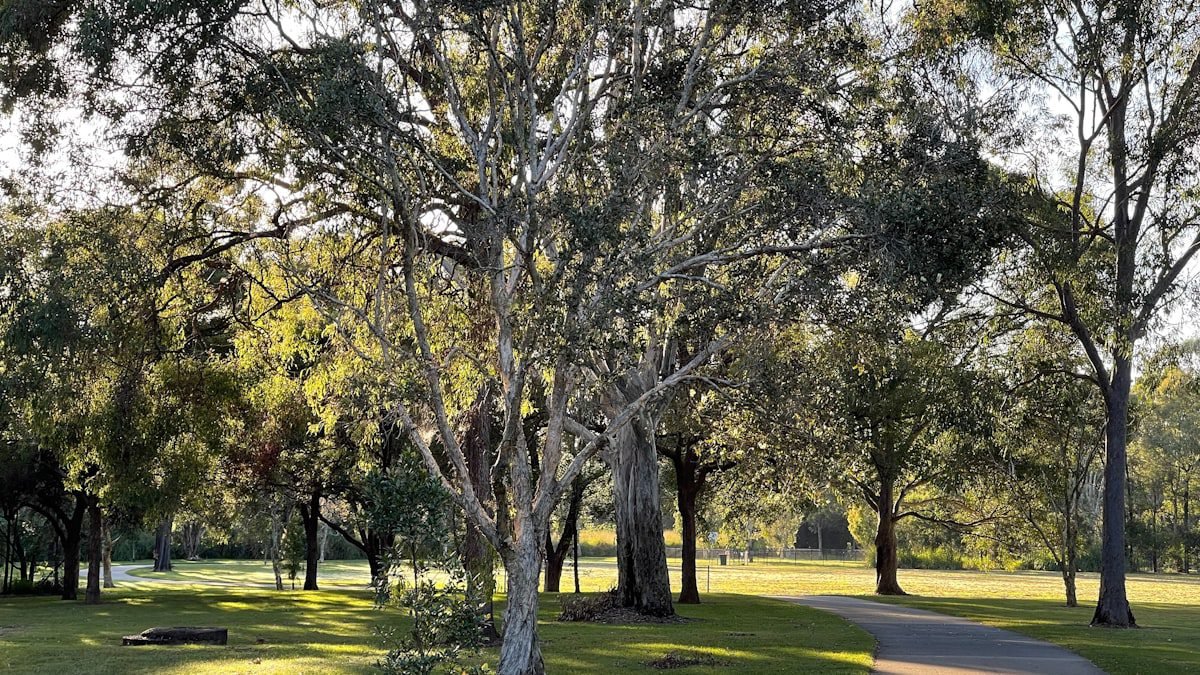
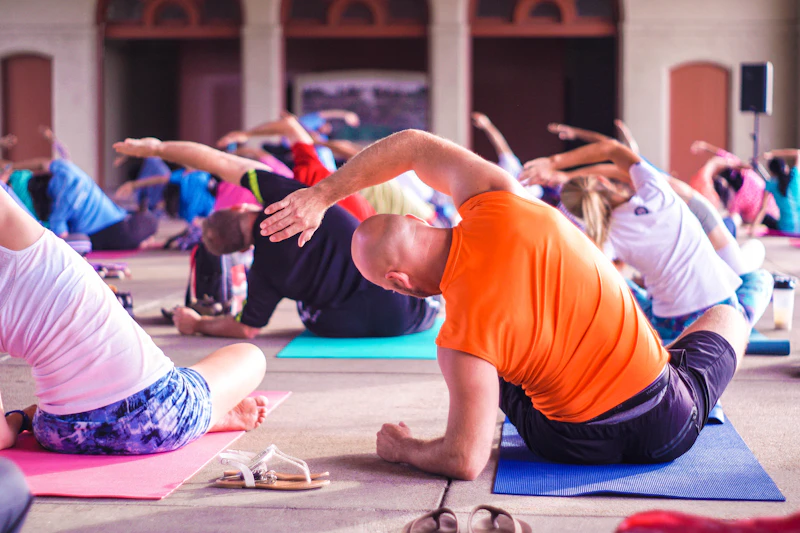
Ramna Park is the city’s classic morning-walk destination, and for good reason. Spread over roughly 68 acres in the heart of the city, it is one of Dhaka’s oldest and greenest spaces, with shaded paths, old trees, and a calm lake. In the early hours it fills with walkers, joggers, and people doing yoga. Entry is free, and the park is generally open in the early morning and late afternoon windows — perfect for a daily routine. Go just after the gates open to enjoy cooler air and fewer crowds.
2. Hatirjheel
Hatirjheel offers something Ramna does not: long, open walking tracks with waterfront views and big skies. The landscaped walkways around the lake are ideal if you want distance and a sense of openness. Evening walks here are especially soothing, with the city lights reflecting on the water. Because it is more open and less enclosed than a traditional park, Hatirjheel is a great option for those who find smaller parks too crowded.
3. National Botanical Garden, Mirpur
If you can travel a little further, the National Botanical Garden in Mirpur is a hidden gem for walkers. With rare plants, lakes, and shaded trails, a 3–5 km loop here feels genuinely removed from the city rush. It is best for a weekend “long walk” rather than a daily routine, but it is one of the most peaceful green spaces in greater Dhaka.
4. Dhanmondi Lake
Dhanmondi Lake is a favourite for residents of the central and southern parts of the city. The shaded loop, lakeside cafés, and steady community of regular walkers make it welcoming and safe-feeling, especially in the early morning and evening. It is also one of the easier spots to reach on foot if you live nearby, which removes the biggest barrier to a daily habit.
5. Your Own Neighbourhood
Do not underestimate a quiet residential street or a rooftop. On days when traffic, weather, or time make a trip to the park impractical, a brisk loop around your block or building — repeated a few times — still counts. Consistency beats the “perfect” location every time.
The Best Times to Walk in Dhaka
Timing matters more in Dhaka than in most cities, because both traffic and air quality shift through the day.
- Early morning (around 5:30–8:00 AM): The best overall window. Paths are quieter, the air is cooler and usually cleaner, and parks like Ramna open their gates. This is when serious walkers in Dhaka head out.
- Late afternoon to early evening (around 4:30–7:00 PM): A good second option, especially in winter. Hatirjheel and Dhanmondi Lake are pleasant at sunset, though slightly more crowded.
- Avoid the midday heat from late morning through mid-afternoon, particularly in summer, when sun and humidity make walking uncomfortable and risky for older adults.
Air Quality: Walk Smart, Not Just Hard
Dhaka’s air quality is a real concern, and it is worst during the dry winter months and around heavy traffic. A few simple habits make a big difference:
- Choose green spaces over roadsides. Parks and lakesides have noticeably cleaner air than busy streets lined with vehicles.
- Walk early. Pollution often builds up as traffic increases through the day, so morning air is generally better.
- Check the day’s air quality on a phone app when you can, and on the worst days, shift to an indoor option or a lighter session.
- Consider a mask on high-pollution days, especially if you have asthma or other respiratory conditions.
Staying Safe While Walking in Dhaka
A little awareness keeps your walk enjoyable:
- Stick to well-used routes. Popular parks and lakesides are safer simply because other people are around.
- Mind the footpaths. Dhaka’s footpaths can be uneven, with open drains or broken slabs. Watch your step and wear proper shoes.
- Be visible after dark. If you walk in the evening, light-coloured or reflective clothing helps drivers and cyclists see you.
- Keep valuables minimal. Carry only what you need, and keep your phone secure.
- Walk with a friend or group when you can — it is safer, more motivating, and more fun.
How to Turn Walking Into a Lasting Habit
Knowing where to walk is easy; the hard part is doing it consistently. These strategies help:
- Anchor it to a fixed time. “After Fajr” or “before dinner” works better than “sometime today.”
- Start small. Even 15 minutes a day builds the habit. Add time gradually until you reach 30–45 minutes.
- Track your steps. A simple phone step counter turns an abstract goal into a number you can beat. Many people aim for 7,000–10,000 steps a day.
- Make it social. Invite a family member, neighbour, or colleague. A walking partner is the single best tool for staying consistent.
- Stack it with something you enjoy — a podcast, a playlist, or a phone call — so the walk becomes time you look forward to.
What to Wear and Bring
You do not need much, but a few basics help: comfortable, supportive walking or running shoes; light, breathable clothing suited to Dhaka’s heat; a water bottle to stay hydrated; and a small towel and cap in summer. Good shoes are the one item worth investing in, because they protect your feet and joints on uneven surfaces.
Frequently Asked Questions
Is it safe to walk in Dhaka for exercise?
Yes, as long as you choose the right place and time. Established parks and lakesides such as Ramna, Hatirjheel, and Dhanmondi Lake, walked in the early morning, are popular precisely because they are pleasant and relatively safe.
What is the best time to walk in Dhaka?
Early morning, roughly between 5:30 and 8:00 AM, is ideal — the air is cooler and cleaner and the paths are quieter. Late afternoon and early evening are a good alternative, especially in winter.
How much should I walk each day?
For general health, aim for about 30 minutes of brisk walking most days, or work toward 7,000–10,000 steps daily. Start with whatever you can manage and build up gradually.
Is Dhaka’s air too polluted to walk outdoors?
Air quality is a genuine concern, especially in winter and near heavy traffic. Reduce your exposure by walking in green spaces, going early in the day, and checking air-quality readings — switching to an indoor option on the worst days.
Final Thoughts
Walking in Dhaka is absolutely doable — and genuinely good for you — when you play it smart. Pick a green space near you, go early, watch the air on bad days, and above all, keep it consistent. A daily walk is one of the cheapest, simplest investments you can make in your long-term health, even in one of the world’s busiest cities.
Looking to add more movement to your routine? Once walking becomes a habit, cycling is a natural next step — and Dhaka has a surprisingly active cycling community.







One Comment