📋 Written following Healthy Bangladesh’s Editorial Standards — sources include WHO, NIH, BMJ & MOHFW
Content verified against the World Health Organization and peer-reviewed research on NIH/PubMed. For informational purposes only — not a substitute for professional mental-health care. Our editorial standards →
Affiliate Disclosure: This article contains affiliate links. We may earn a commission at no extra cost to you. | Reviewed against the WHO classification of burn-out (ICD-11), a study of burnout among bank employees in Bangladesh (PubMed 39973708), and a burnout study among working adults in Southeast Asia (PMC10972957).
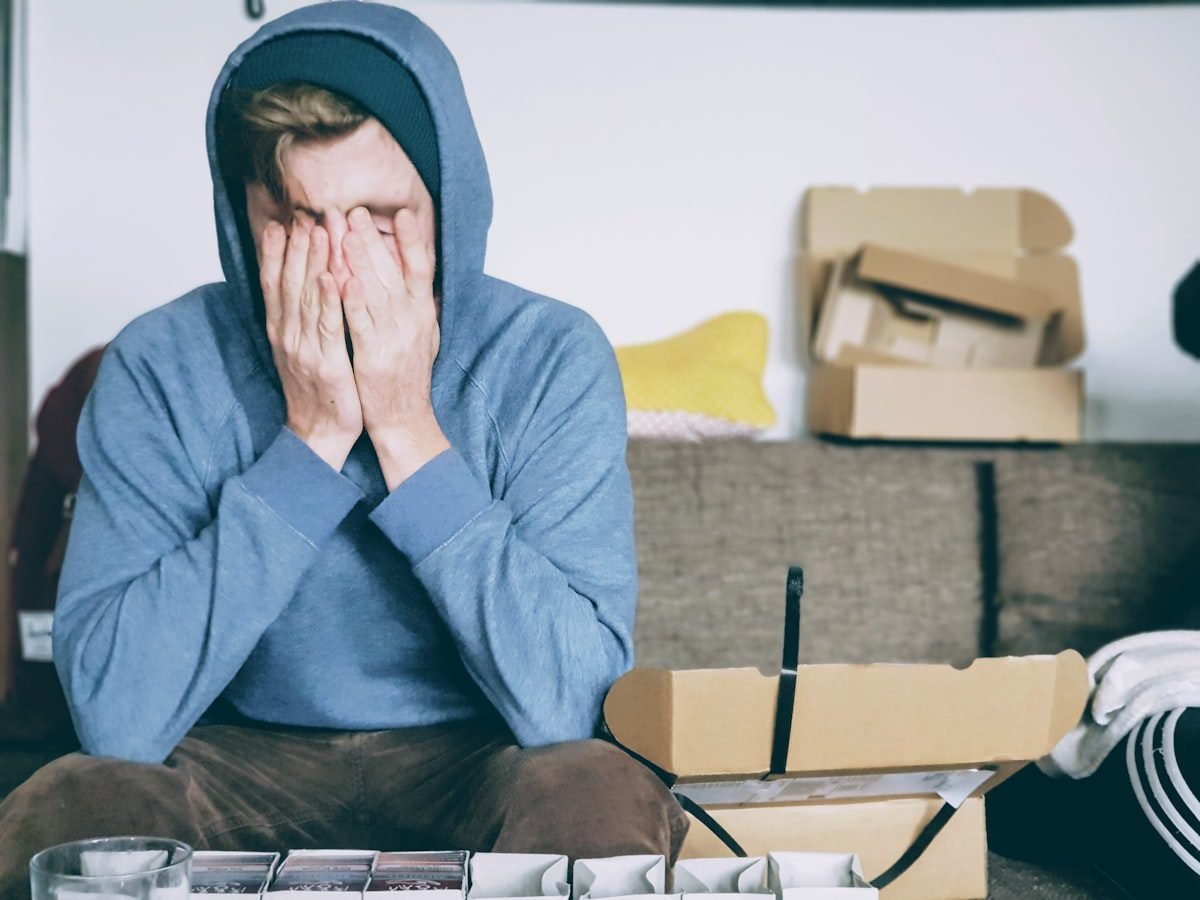
Exhausted, Cynical, Running on Empty? That’s Not Weakness — It May Be Burnout
That grinding exhaustion has a name — burnout — and in Bangladesh’s long-hours work culture it is common. You wake up already tired. Work feels pointless or overwhelming. You’re irritable, foggy, and can’t switch off even at home. If this sounds familiar, you may be experiencing burnout — and in Bangladesh’s high-pressure, long-hours work culture, it is far more common than people admit. The World Health Organization now formally recognises burn-out in the ICD-11 as an occupational phenomenon resulting from chronic workplace stress that has not been successfully managed, defined by three things: exhaustion, mental distance or cynicism about your job, and reduced performance.
It is widespread here. A study of bank employees in Bangladesh found the overwhelming majority reporting burnout symptoms, with a large share experiencing severe burnout — and a regional study of working adults in Southeast Asia confirmed high rates of stress, anxiety and depression. Long hours, poor work-life balance, financial pressure and job insecurity are the usual drivers. Burnout is not a personal failing; it is a signal that something in the balance of demand and recovery has to change.
Recognising Burnout vs Ordinary Tiredness
Everyone has hard days. Burnout is different: it is persistent and doesn’t lift after a good night’s sleep or a weekend off. Watch for chronic exhaustion, dread about work, growing cynicism or detachment, trouble concentrating, physical symptoms (headaches, gut issues, poor sleep), and withdrawing from people. If several of these have lasted weeks, take it seriously.
How to Recover From Burnout
- Set real boundaries. Protect off-hours, take your breaks, and resist the always-on culture where you can. Recovery time is not optional — it’s how the body repairs.
- Prioritise sleep. Burnout and poor sleep feed each other. Fixing sleep is foundational — see our sleep guide.
- Move your body. Exercise is one of the most effective stress regulators; even a daily walk helps. See our stress-management guide.
- Reconnect and unplug. Time with people you trust, and time away from screens, both rebuild resilience.
- Ask for support. Talk to your manager about workload where possible, and to a professional if burnout is affecting your health or mood.

🌿 Also worth a look: if the hardest part is winding down at night, NuviaLab Relax supports a calmer evening.
Scientific References
- World Health Organization. Burn-out an “occupational phenomenon” — International Classification of Diseases (ICD-11). who.int
- Evaluation of mental-health problems and psychological burnout among bankers in Bangladesh. PubMed 39973708
- Prevalence and associated factors of burnout among working adults in Southeast Asia. PMC10972957
This article is for educational purposes only and is not a substitute for professional mental-health care. This is a sensitive topic — if you are struggling, please reach out to a qualified professional or a trusted person for support.
Related reading: Managing Stress in Dhaka · Sleep Better in Bangladesh · Always Tired? Beating Low Energy
More mental-wellness guides: Managing Stress in Dhaka · Daily Mental-Wellness Practices · Mental Health Tips · Digital Wellbeing · Mindfulness · Anxiety Relief · Better Sleep · Focus & Memory · 📚 Mental Wellness Hub
Recognising burnout early
Burnout is more than ordinary tiredness — it’s exhaustion, cynicism and reduced performance from prolonged stress. Warning signs include constant fatigue, dread about work, irritability, poor sleep and physical symptoms like headaches. Catching it early makes recovery far easier.
How to recover
- Set boundaries — protect time off; disconnect from work messages after hours
- Rest properly — prioritise sleep and genuine downtime, not just collapsing tired
- Reconnect — time with family, friends and hobbies restores you
- Move gently — walking and light exercise reduce stress hormones
- Ask for support — talk to someone you trust, and seek professional help if needed
Preventing it coming back
Long-term, burnout recovery means addressing the causes: unrealistic workload, no boundaries, or lack of control. Small sustainable changes — regular breaks, saying no when overloaded, and protecting sleep — prevent the slide back. Recovery takes time; be patient with yourself.
Is burnout the same as depression?
They overlap but aren’t identical. If low mood, hopelessness or loss of interest persist beyond work situations, or you feel unable to cope, please see a doctor or mental-health professional.
This article is general information, not medical advice. If stress, low mood or symptoms persist, please speak to a doctor or counsellor.