Iron Deficiency Anemia in Bangladesh: Symptoms, Foods & Treatment
Content verified against peer-reviewed research from NIH/PubMed, WHO, BIRDEM, and ICDDR,B. Named clinical experts are cited throughout each article. For informational purposes only — not a substitute for medical advice. Our editorial standards →
Why Iron Deficiency Is Bangladesh’s Most Overlooked Health Crisis
You feel exhausted before the day has even begun. You climb one flight of stairs and feel breathless. Your hair is thinning, your nails break easily, and no amount of rest seems to make a difference. For millions of Bangladeshis — especially women and young children — these symptoms are a daily reality with a single, often undiagnosed cause: iron deficiency anemia.
A 2021 pharmacy thesis from BRAC University found that iron deficiency affects approximately 41.8% of the female population in Bangladesh, making it the most widespread nutritional problem in the country. The World Health Organization classifies Bangladesh as a nation with a “severe” public health burden from iron deficiency anemia — and yet it remains chronically under-tested and under-treated.
This guide covers everything you need to know: why it happens, how to recognise it, which Bangladeshi foods fight it best, and what supplements actually work — all grounded in research.
What Is Iron Deficiency Anemia?
Iron is a mineral your body uses to produce haemoglobin — the protein inside red blood cells that carries oxygen from your lungs to every tissue and organ. When your iron stores fall too low, your body cannot make enough healthy red blood cells. The result is iron deficiency anemia: your blood literally cannot deliver enough oxygen to keep you functioning properly.
According to the American Family Physician (2025 clinical review), iron deficiency anemia is the most common nutritional deficiency worldwide, with recurrent blood loss — particularly menstrual bleeding — responsible for up to 94% of cases in women. In populations like Bangladesh, dietary insufficiency compounds the problem significantly.
Your body needs iron for more than just red blood cells. It is also essential for immune function, cognitive performance, and healthy pregnancy outcomes. This is why untreated iron deficiency has such wide-ranging effects on every aspect of your health.
Iron Deficiency in Bangladesh: What the Research Shows
The statistics from Bangladesh are striking:
- 41.8% of Bangladeshi women of reproductive age are iron deficient — one of the highest rates in South Asia (BRAC University research, 2021).
- A 2024 PLOS ONE study found that adolescent girls, pregnant women, and lactating mothers in rural southern Bangladesh face the greatest risk, with anemia rates well above 40% in these groups.
- Among children aged 6–24 months, a systematic review published in MDPI International Journal of Environmental Research and Public Health (2023) found a pooled anemia prevalence of 46.8% across 24 Bangladeshi studies covering 14,000+ children.
- Infants aged 6–12 months showed the highest rate of all: 73%.
- University students are not immune: a NCBI study from Noakhali Science and Technology University found 55.3% of students were anemic, with women significantly more affected than men.
Dr. Masba Uddin Chawdhury of Evercare Hospital Chattogram notes that iron deficiency in Bangladeshi women is driven by a combination of monthly menstrual blood loss, inadequate dietary iron, and increased demand during pregnancy and breastfeeding — all factors that compound each other and can go undiagnosed for years.
It is also worth noting: iron deficiency and Vitamin B12 deficiency often occur together and share many of the same symptoms, particularly fatigue and weakness. Both should be tested when anemia is suspected.
Warning Signs of Iron Deficiency Anemia
Iron deficiency tends to develop slowly. Most people ignore early symptoms or attribute them to stress or overwork. Here is what to watch for:
Early Signs
- Persistent tiredness and low energy that sleep does not fix
- Pale or yellowish skin, especially visible in the inner eyelids and palms
- Shortness of breath during light activity — like climbing stairs or walking quickly
- Rapid or irregular heartbeat (the heart works harder to compensate for low oxygen)
- Frequent headaches
- Difficulty concentrating or “brain fog”
- Feeling cold, especially in hands and feet
More Specific Signs (Often Missed)
- Koilonychia — spoon-shaped or brittle nails that break easily
- Hair loss — particularly in women; iron is essential for hair follicle health
- Pica — unusual cravings for non-food items like clay, ice, or chalk (a well-known anemia symptom in Bangladesh)
- Cracked corners of the mouth (angular cheilitis)
- Swollen or inflamed tongue
- Restless legs at night
Serious Long-Term Effects
- Impaired cognitive development in children (research confirms a link to lower academic performance)
- Increased risk of premature birth and low birth weight in pregnant women
- Maternal mortality risk in severe untreated cases
- Weakened immunity — iron-deficient individuals are more vulnerable to infections
- Heart complications from chronic severe anemia
Many of these long-term effects overlap with those of Vitamin D deficiency, which is also highly prevalent in Bangladesh. If you are experiencing multiple symptoms, it is worth testing both.
Best Iron-Rich Foods for Bangladeshis
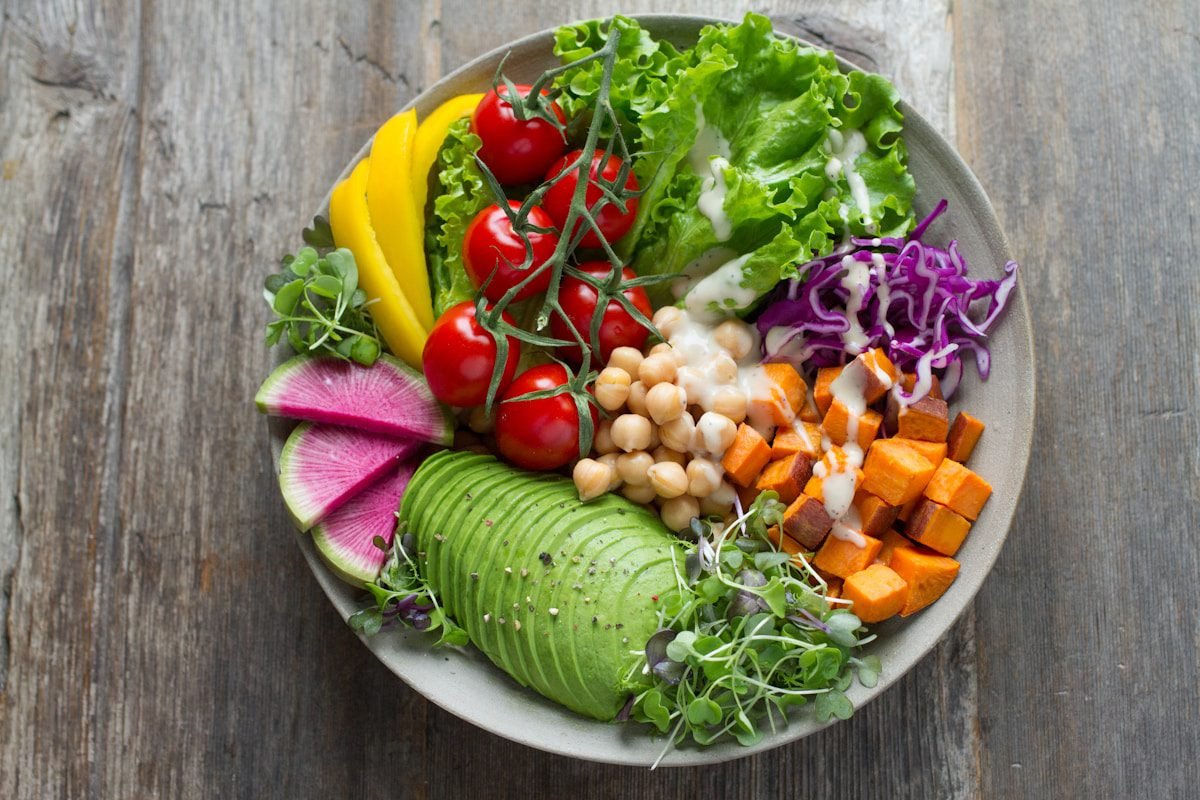
The good news is that many traditional Bangladeshi foods are genuinely good sources of iron. The key is eating them regularly and in the right combinations. Our complete daily nutrition guide for Bangladeshis covers the broader framework, but here is the iron-specific breakdown:
Haem Iron Sources (Most Easily Absorbed)
Haem iron — found in animal foods — is absorbed at a rate of 15–35%, far higher than plant iron. Include these regularly:
| Food | Iron Content (approx.) | Notes |
|---|---|---|
| Beef/mutton liver (kaliji) | 6–7 mg per 100g | The single richest iron source — eat 1–2× per week |
| Beef/mutton (lean) | 2–3 mg per 100g | Regular inclusion supports iron stores well |
| Chicken (dark meat) | 1.3 mg per 100g | More iron than breast meat; affordable and available |
| Hilsa (Ilish) | 1.5 mg per 100g | Also rich in omega-3s; a national staple with bonus benefits |
| Shrimp (chingri) | 2.4 mg per 100g | Excellent iron source widely available in Bangladesh |
| Eggs | 1.2 mg per egg | Daily egg is one of the easiest habits to build |
Non-Haem Iron Sources (Plant-Based)
Plant iron is absorbed less efficiently (2–10%) but can be significantly boosted by eating it with Vitamin C. These Bangladeshi staples all contribute:
| Food | Iron Content (approx.) | Tips |
|---|---|---|
| Masoor dal (red lentils) | 3.3 mg per 100g cooked | A daily staple — research from BRAC confirms iron-fortified lentils dramatically improve iron status in Bangladeshi adolescent girls |
| Palong shaak (spinach) | 2.7 mg per 100g | Cook with a squeeze of lemon juice to boost absorption |
| Lal shaak (red amaranth) | 3.5–4 mg per 100g | One of the richest plant iron sources available in Bangladesh |
| Chickpeas / chhola | 2.9 mg per 100g | Pair with tomato or lemon for better iron absorption |
| Sesame seeds (til) | 10 mg per 100g | Use in cooking or as til laddu — highly concentrated source |
| Moringa (sajna) leaves | 4 mg per 100g | Widely available, underutilised; add to dal or egg dishes |
| Jaggery (gur) | 11 mg per 100g | Traditional sweetener with surprisingly high iron; replace refined sugar |
The Vitamin C Rule: Double Your Iron Absorption
This one habit can nearly double the iron you absorb from plant foods. Vitamin C converts plant-based iron (ferric) into a form your body absorbs much more readily (ferrous). Practical ways to apply this in a Bangladeshi diet:
- Squeeze lemon or raw lime over dal before eating
- Add tomato to lal shaak or palong shaak curry
- Eat amra (hog plum), guava, or a small orange alongside iron-rich meals
- Drink a small glass of lemon water with meals — not tea or coffee
What to Avoid at Mealtimes
Tea and coffee — both consumed heavily in Bangladesh — contain tannins that block iron absorption by up to 60%. Calcium (from milk or yoghurt) also competes with iron for absorption. Drink these at least one hour before or after iron-rich meals.
Iron Supplements: When Food Is Not Enough
For women with significant iron deficiency — especially those with heavy periods, during pregnancy, or after blood loss — diet alone is often insufficient to restore iron stores quickly enough. In these cases, supplementation is recommended.
According to the Mayo Clinic and the American College of Obstetricians and Gynecologists (ACOG), iron supplementation is standard practice for pregnant women and those with confirmed iron deficiency anemia. The typical dose is 150–200 mg of elemental iron per day in divided doses for treatment, or 30–60 mg daily for prevention.
Forms of iron supplement:
- Ferrous sulphate — most common, affordable, and effective. Available in most pharmacies in Bangladesh.
- Ferrous gluconate — gentler on the stomach; useful if ferrous sulphate causes constipation.
- Ferrous bisglycinate — highly bioavailable form with fewer digestive side effects; compare options on Amazon.
Tips for taking iron supplements:
- Take on an empty stomach if tolerated — absorption is significantly higher
- Take with Vitamin C (a glass of lemon water works perfectly)
- Do not take within two hours of antacids, calcium supplements, or dairy
- Do not take with tea or coffee
- Expect some side effects: dark stools (normal), constipation (common — drink more water, eat more fibre)
If you want to combine iron with other key nutrients, a quality iron supplement with Vitamin C and folic acid is worth considering — folic acid works alongside iron in preventing anemia, and the Vitamin C improves absorption built right into the formula.
Always get a blood test before supplementing. A serum ferritin test (available at most Dhaka diagnostic labs for under ৳500) tells you your exact iron stores and whether supplementation is needed. Over-supplementing iron is harmful — unlike Vitamin D or B12, excess iron accumulates and can damage organs.
Who Is Most at Risk in Bangladesh?
- Women of reproductive age — monthly menstrual blood loss depletes iron faster than many diets can replace it
- Pregnant women — iron demand nearly doubles during pregnancy; deficiency raises risk of premature birth and maternal complications
- Infants and toddlers (6–24 months) — the highest-risk group; breast milk alone cannot meet iron needs after 6 months
- Adolescent girls — growth demands plus newly starting menstruation create a double iron drain
- Garment factory workers — long hours, limited dietary variety, irregular meal habits
- Vegetarians and those eating little meat — plant iron is absorbed far less efficiently without deliberate dietary strategy
For families with children, managing iron is a core part of good parenting in Bangladesh. Our guide on children’s health in Bangladesh covers the full picture of what your child needs in the early years.
Your 5-Step Iron Recovery Plan
- Get tested first. Ask your doctor for a Complete Blood Count (CBC) and serum ferritin test. Available at most labs in Dhaka for ৳300–600. This tells you whether you are deficient, the severity, and what treatment you need.
- Eat liver or red meat 2× per week. Kaliji (beef or chicken liver) is the single most iron-dense food available in Bangladesh. If budget allows, include it twice a week.
- Use the Vitamin C rule at every iron-rich meal. Lemon, tomato, or any citrus food at the same sitting as dal, shaak, or meat dramatically increases iron absorption.
- Stop drinking tea or coffee with meals. Wait at least one hour after eating before your cha. This single change can measurably increase daily iron uptake.
- Supplement if your levels are low. Ferrous sulphate (from any pharmacy) or a gentler bisglycinate form if your stomach is sensitive. Always under a doctor’s guidance, and always retest after 3 months.
The Bottom Line
Iron deficiency anemia affects nearly half of Bangladeshi women and a staggering proportion of children — yet it is almost entirely preventable and treatable with the right diet and, when needed, supplementation. The tiredness, brain fog, breathlessness, and hair loss you may be experiencing are not just part of life. They are signals your body is sending that deserve attention.
Start with a blood test. Then look at your diet — more kaliji, more lal shaak, more lentils, and a squeeze of lemon on everything. Read our complete Bangladeshi nutrition guide to build the full dietary foundation alongside this. And if your numbers are low, a supplement is one of the best investments you can make in your daily energy, your immunity, and your long-term health.
For women especially: if you are also experiencing mood changes, anxiety, or sleep disruption alongside fatigue, read our guide on mental wellness for Bangladeshis — iron deficiency is a known contributor to low mood, and restoring your levels can have a meaningful impact on how you feel emotionally as well as physically.
Always consult a qualified doctor before beginning any iron supplementation programme. Iron toxicity is possible and blood testing before and during treatment is essential.
The content on Healthy Bangladesh (rumanwellness.com) is for informational and educational purposes only. It is not intended as medical advice and should not replace consultation with a qualified healthcare professional. Always consult your doctor before making changes to your diet, exercise, or supplement routine.
How to Recover from Iron Deficiency
Frequently Asked Questions
Excellent iron-rich foods available in Bangladesh include beef and liver (lal mangsho and kolejar), hilsa fish, dark leafy greens such as spinach (palang shak) and amaranth (data shak), lentils (masoor and moong dal), chickpeas (chola), sesame seeds (til), and jaggery (gur). Pairing these with vitamin C-rich foods like lemon juice and tomatoes improves iron absorption significantly.
Yes. Iron is essential for producing haemoglobin, which carries oxygen to hair follicles. When iron levels are low, hair follicles receive less oxygen and nutrients, leading to increased hair shedding and slower regrowth. This is one of the more overlooked symptoms of iron deficiency anemia, particularly in women.
Key Takeaways for Bangladeshis
Your doctor will request a Complete Blood Count (CBC) blood test, which measures haemoglobin, haematocrit, and red blood cell size. A serum ferritin test measures your iron stores directly. Both tests are widely available at diagnostic centres across Bangladesh, typically costing between ৳300–৳600.
With proper iron supplementation and a diet rich in iron, haemoglobin levels usually begin improving within 2–4 weeks. However, it typically takes 3–6 months of consistent treatment to fully replenish iron stores in the body. Always complete the full course prescribed by your doctor even if you feel better sooner.
Women of reproductive age (due to monthly blood loss), pregnant women, young children under 5, adolescent girls, and people following very low-meat diets are at highest risk in Bangladesh. Studies show that over 40% of women and 50% of children under 5 in Bangladesh have some degree of anaemia.
Yes, and it is very common. Iron deficiency in children can delay brain development, impair learning ability, reduce immunity, and cause stunted growth. Signs in children include pale skin, frequent tiredness, poor appetite, and increased susceptibility to infections. Children should eat iron-rich foods like egg yolk, lentils, and leafy greens from an early age.
The most common symptoms include constant fatigue and weakness, pale skin, shortness of breath even with mild activity, frequent headaches, dizziness, cold hands and feet, brittle nails, and unusual food cravings (such as craving clay or ice). Women may also experience heavier or more irregular periods.

9 Comments