📋 Written following Healthy Bangladesh’s Editorial Standards — sources include WHO, NIH, BMJ & MOHFW
Content verified against peer-reviewed research from NIH/PubMed, CDC, the American Academy of Sleep Medicine, and WHO. Named experts are cited throughout. For informational purposes only — not a substitute for medical advice. Our editorial standards →
Affiliate Disclosure: This article contains affiliate links. We may earn a commission at no extra cost to you. | Reviewed against the American Academy of Sleep Medicine / Sleep Research Society duration guidance, CDC sleep data, a CBT-I effectiveness review (PMC6796223), and the published work of Prof. Matthew Walker, UC Berkeley Center for Human Sleep Science.
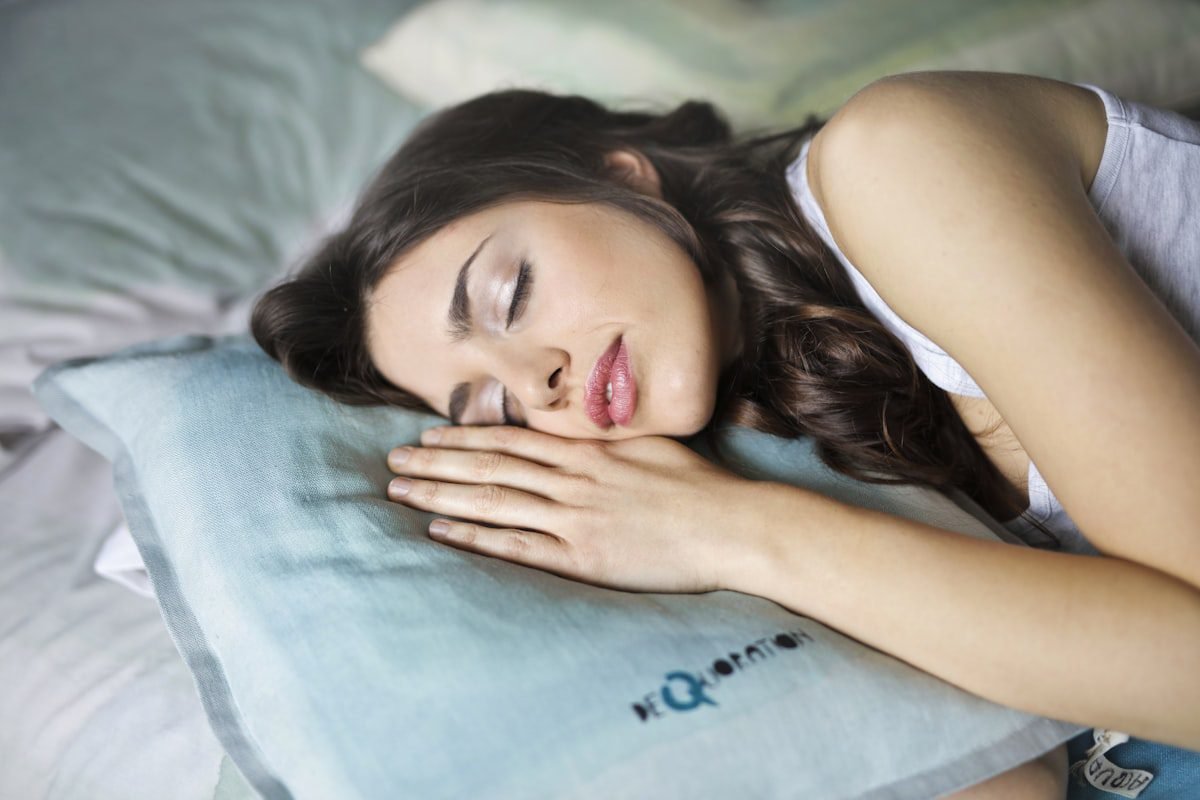
In Dhaka’s Heat, Noise and Round-the-Clock Screens, Sleep Is the First Thing to Break — and the Most Important to Fix
Learning to sleep better in Bangladesh starts with understanding what heat, noise and screens do to your rest. Ask almost anyone in a Bangladeshi city how they slept and the answer is rarely “wonderfully.” Late-night work, endless scrolling, evening cha, traffic that pushes bedtime later, summer heat, mosquitoes, and household noise all conspire against rest. Yet sleep is not a luxury you can borrow against — it is when the body repairs tissue, consolidates memory, regulates appetite hormones, and clears the brain. Skimp on it night after night and everything else you are trying to improve — weight, mood, blood sugar, focus — gets harder.
Professor Matthew Walker, PhD, founder of the Center for Human Sleep Science at UC Berkeley and author of Why We Sleep, has spent his career documenting what happens when we cut sleep short. His research is blunt: adults need seven to nine hours a night, and once you drop below seven, measurable impairments appear in attention, immune function, blood-sugar control and emotional regulation. Sleep, in his words, is “the single most effective thing you can do to reset your brain and body health each day.”
Why You Cannot Sleep: The Common Culprits in Bangladesh
Most poor sleep is not a mysterious disorder — it is the predictable result of habits and environment. The biggest offenders here are:
- Evening caffeine. Cha and coffee after mid-afternoon linger for hours; caffeine’s half-life is around 5–6 hours, so a 6 pm cup is still half-active at midnight.
- Screens in bed. Bright phone light suppresses melatonin and keeps the brain alert. The scroll itself is stimulating.
- Heat and humidity. The body needs to cool by about 1°C to fall asleep — hard in a hot Dhaka bedroom without airflow.
- Irregular timing. Going to bed at a different hour each night confuses your body clock more than a late bedtime alone.
- Stress and rumination. A racing mind is the most common complaint — closely tied to daytime stress. See our Dhaka stress-management guide.

The Science-Backed Sleep Plan
For chronic insomnia, the treatment with the strongest evidence is not medication but Cognitive Behavioural Therapy for Insomnia (CBT-I) — recommended as the first-line treatment by sleep-medicine bodies worldwide, with benefits equal to sleeping pills but no side effects and longer-lasting results. Its core habits are things you can start tonight:
| Habit | What to do | Why it works |
|---|---|---|
| Fixed wake time | Wake at the same hour daily, even weekends | Anchors your body clock — the strongest sleep signal |
| Caffeine curfew | No cha/coffee after ~2 pm | Clears stimulant before bedtime |
| Screen curfew | Phone off 60 min before bed | Restores melatonin, calms the mind |
| Cool, dark, quiet room | Fan/AC, blackout, earplugs if needed | Enables the core-temperature drop sleep requires |
| Bed = sleep only | If awake 20+ min, leave the bed and return when sleepy | Breaks the bed-equals-frustration association |
| Wind-down ritual | Dim lights, light stretching, reading, slow breathing | Signals the nervous system to power down |

🌿 Also worth a look: if daytime stress is the root problem, Restilen is formulated specifically to support the body’s resilience to chronic stress.
When to See a Doctor
Occasional bad nights are normal. But see a healthcare professional if insomnia lasts more than a month, if you snore loudly and wake gasping (possible sleep apnoea), or if poor sleep is paired with persistent low mood. These need proper assessment rather than self-treatment.
Scientific References
- Walker, M. Why We Sleep. UC Berkeley Center for Human Sleep Science — adults require 7–9 hours nightly. humansleepscience.com
- American Academy of Sleep Medicine & Sleep Research Society. Recommended amount of sleep for a healthy adult (7+ hours) — consensus statement. PMC4877308
- CDC. Sleep and sleep disorders — about 1 in 3 adults do not get enough sleep. cdc.gov
- Cognitive-Behavioral Therapy for Insomnia: an effective and underutilised first-line treatment. PMC6796223
This article is for educational purposes only. Consult a healthcare professional before starting any supplement, especially if you are pregnant, breastfeeding, taking medication, or managing a health condition. If sleep problems are severe or persistent, seek medical advice.
Sleep and mood are closely linked. If you are struggling emotionally, this is a sensitive area — please reach out to a qualified professional or someone you trust, and we can help point you toward appropriate support resources if useful.
Related reading: Managing Stress in Dhaka · Magnesium Guide for Bangladesh · Women’s Nutrition After 40
More mental-wellness guides: Managing Stress in Dhaka · Daily Mental-Wellness Practices · Mental Health Tips · Digital Wellbeing · Mindfulness · Anxiety Relief · Focus & Memory · Beating Burnout · 📚 Mental Wellness Hub
Related reading: Beating Monsoon Low Mood in Bangladesh



3 thoughts on “How to Sleep Better in Bangladesh: A Science-Backed Insomnia Guide”