Everyone wants firmer skin, stronger hair and pain-free joints — and “collagen” has become the buzzword promising all three. Imported collagen powders sell for thousands of taka a tub, while social media is full of before-and-after claims. But what actually is collagen, do the supplements work, and can you get what you need from everyday Bangladeshi food? This guide cuts through the marketing and gives you a practical, budget-friendly plan built around local ingredients.
Disclosure: this article contains one affiliate link. If you buy through it we may earn a small commission at no extra cost to you — see our affiliate disclosure. It never affects our advice.
What Is Collagen and Why It Matters
Collagen is the most abundant protein in your body — the structural “scaffolding” that holds together your skin, bones, tendons, cartilage and blood vessels. It keeps skin firm and elastic, cushions your joints so they move smoothly, and gives hair and nails their strength. Think of it as the framework that keeps everything in place and springy.
From your mid-20s onwards, your body gradually makes less collagen — roughly 1% less each year — which is part of why skin slowly loses its bounce, fine lines appear, and joints get stiffer with age. Sun exposure, smoking and a high-sugar diet all speed this decline up, while good nutrition slows it down.
Here is the key thing the Harvard T.H. Chan School of Public Health points out: you do not eat collagen and have it travel straight to your skin. Your digestive system breaks all protein — including collagen powder — down into amino acids, and your body then builds whatever it needs. So the real goal is not to “eat collagen” but to give your body the raw materials to make its own.
The Real Building Blocks of Collagen
To manufacture collagen, your body needs a steady supply of a few specific nutrients:
- Protein (amino acids): especially glycine and proline. Found in fish, eggs, chicken, dal, milk and beans.
- Vitamin C: absolutely essential — your body literally cannot build collagen without it. Found in amloki (Indian gooseberry), guava, lemon, orange, capsicum and green chillies.
- Zinc and copper: these minerals help the collagen-building process. Found in nuts, seeds, seafood and whole grains.
- Antioxidants: from colourful fruits and vegetables, which protect the collagen you already have from damage.
Notice that crash diets and very low-protein eating do the opposite — they starve collagen production. This is one more reason extreme diets leave skin looking dull and tired.
Collagen-Supporting Foods in Bangladesh
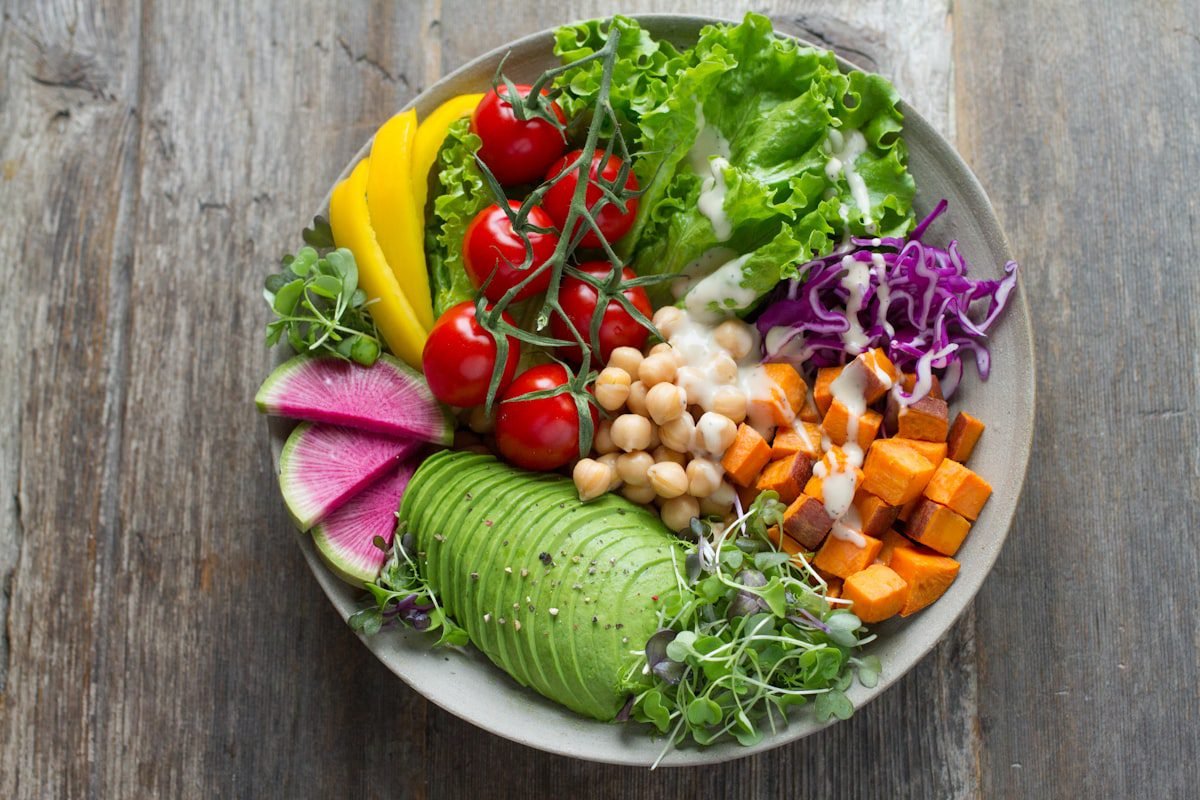
You genuinely do not need imported powders. A normal Bangladeshi plate can supply everything your body needs to build collagen — often more cheaply and with extra nutrition on top:
- Fish and small fish (hilsa, rui, mola, kachki): excellent protein; small fish eaten with soft bones add extra minerals.
- Eggs: cheap, complete protein — one of the best-value collagen-building foods there is.
- Chicken and bone broth: slow-cooked bones (paya, stock) release gelatin, which is essentially cooked collagen, plus minerals.
- Dal, chhola and beans: plant protein plus zinc for vegetarians and everyone else.
- Vitamin-C fruits: guava (peyara), amloki, lemon and orange — try to include one at meals so the vitamin C is there when protein is being digested.
- Milk, doi and paneer: more quality protein, especially useful for those who eat less meat.
- Nuts and seeds: almonds, peanuts and pumpkin seeds for zinc and copper.
How Much Protein Do You Actually Need?
Because protein is the foundation, aim to include a protein source at every meal — eggs or dal at breakfast, fish or chicken with lunch and dinner, and milk or nuts as snacks. A rough everyday target is protein at roughly the size of your palm at main meals. Most people who feel their skin and hair are suffering are simply not eating enough protein spread across the day, and fixing that alone often makes a visible difference over a few months.
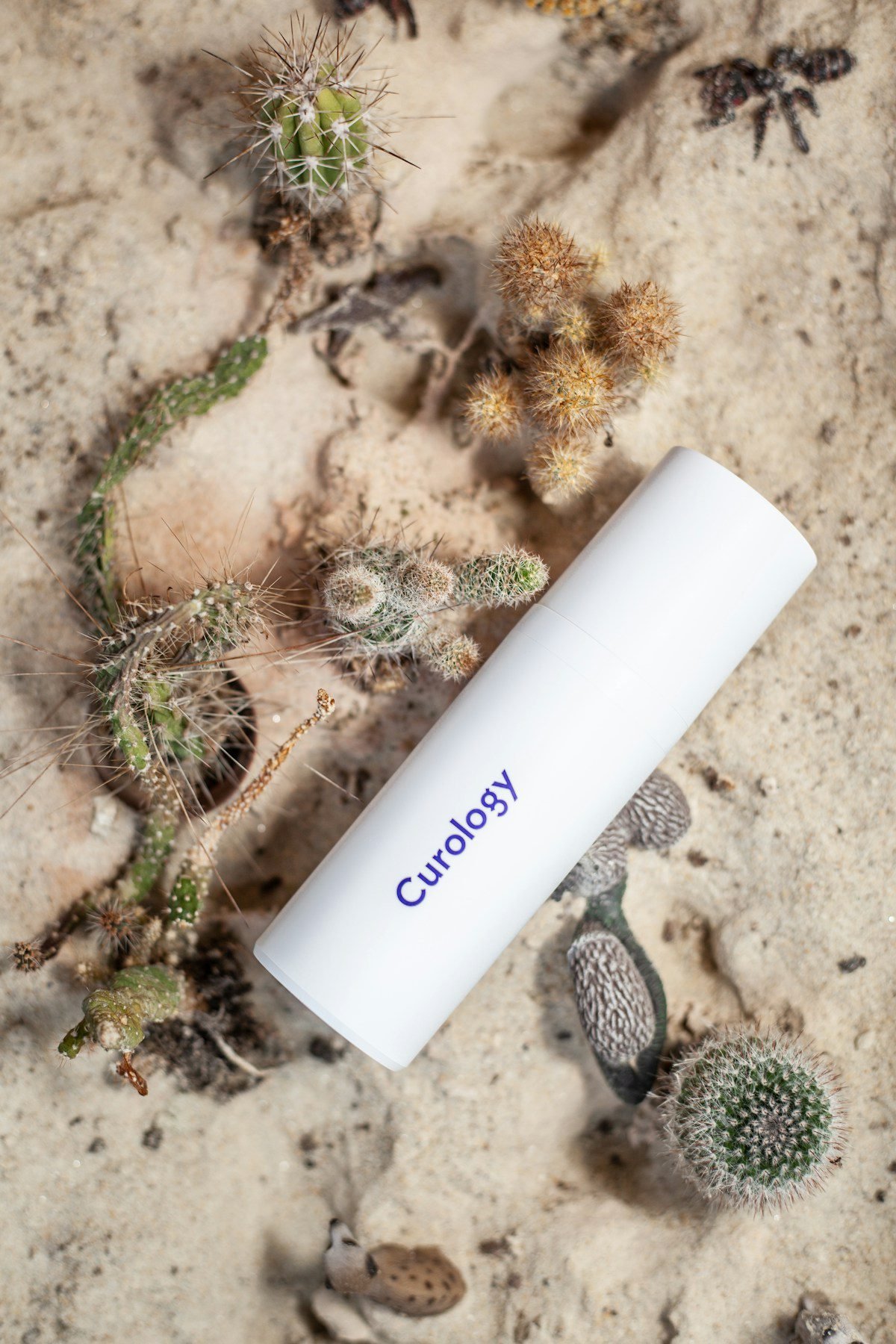
🌿 Supplement option: If your diet is often low in protein or you want a convenient top-up, a hydrolysed collagen supplement is one option. Collagen Select provides hydrolysed collagen together with vitamin C to support your body’s own collagen production. Think of it as an optional extra — most people can meet their needs from protein-rich food, and no powder replaces a balanced diet, sun protection and not smoking.
Habits That Protect the Collagen You Have
Making collagen is only half the story — your daily habits either protect or quietly destroy it:
- Protect your skin from the sun. Dhaka’s strong sun is the single biggest cause of collagen breakdown in skin; use shade, a hat, an orna or sunscreen when you are out in midday sun.
- Do not smoke. Smoking damages collagen directly and is a leading cause of premature skin ageing and wrinkles.
- Go easy on sugar. A very high-sugar diet damages collagen through a process called glycation, making skin less elastic.
- Eat enough protein daily — see our protein guide for Bangladeshis for easy, affordable sources.
- Sleep well and manage stress, both of which affect skin repair and overall ageing.
Collagen for Joints and Ageing
Collagen is not just about looks. It cushions your knees and other joints, which is why some people with joint aches explore collagen for comfort and mobility. If stiff or painful joints are your main concern, our joint-support guide covers the options in detail, and women navigating hormonal changes — when collagen loss speeds up — may find our nutrition-over-40 guide useful too. The same foundations apply: protein, vitamin C, movement and protecting what you have.
Frequently Asked Questions
Do collagen supplements really work?
The evidence is mixed but growing — some studies suggest hydrolysed collagen may modestly help skin elasticity and joint comfort. They are not miracle cures, and a protein-rich diet with enough vitamin C achieves much of the same thing at lower cost.
Can vegetarians boost collagen?
Yes. Your body builds collagen from amino acids, so plenty of dal, beans, milk, paneer, eggs (if eaten) and vitamin-C fruits give it everything it needs, even without meat or fish.
Is bone broth a good source?
Slow-cooked bone broth (like paya) contains gelatin, a form of collagen, plus minerals. It is a nourishing, traditional option — just keep the salt and oil reasonable.
How long before I see results?
Skin and hair renew slowly, so give any change — diet or supplement — at least 8–12 weeks of consistency before judging results.
The Bottom Line
Collagen matters for skin, hair, nails and joints — but you build it from the inside out. Eat enough protein at every meal, get plenty of vitamin C from local fruits like guava and amloki, protect your skin from sun and smoking, and go easy on sugar. A supplement can be a convenient extra, but for most Bangladeshis a well-balanced plate does the heavy lifting for a fraction of the price of imported powders.
This article is for educational purposes only and is not a substitute for professional medical or nutritional advice.
Sources: Harvard T.H. Chan School of Public Health — Collagen; NHS — Fish and shellfish nutrition.