The teenage years demand a lot from the body and mind — rapid growth, developing muscles and bones, and long hours of study and exams. All of that runs on food. The right everyday foods can help a teenager grow taller and stronger, concentrate better, and stay energetic through a packed school day. This guide covers the best, most affordable foods for teenage growth and brain power in Bangladesh.
How Food Fuels Growth and the Brain
During adolescence, the body builds bone, muscle, and organs at a pace it will never match again, while the brain rewires itself for adult thinking. Protein provides the building blocks, minerals like calcium and iron support bones and blood, and healthy fats and steady carbohydrates keep the brain fuelled and focused. Missing these does not just slow growth — it shows up as tiredness, poor concentration, and low mood. The best part: the foods that help are ordinary, local, and inexpensive.
Best Foods for Growing Strong
- Eggs — affordable, protein-packed, and rich in nutrients for growth and the brain.
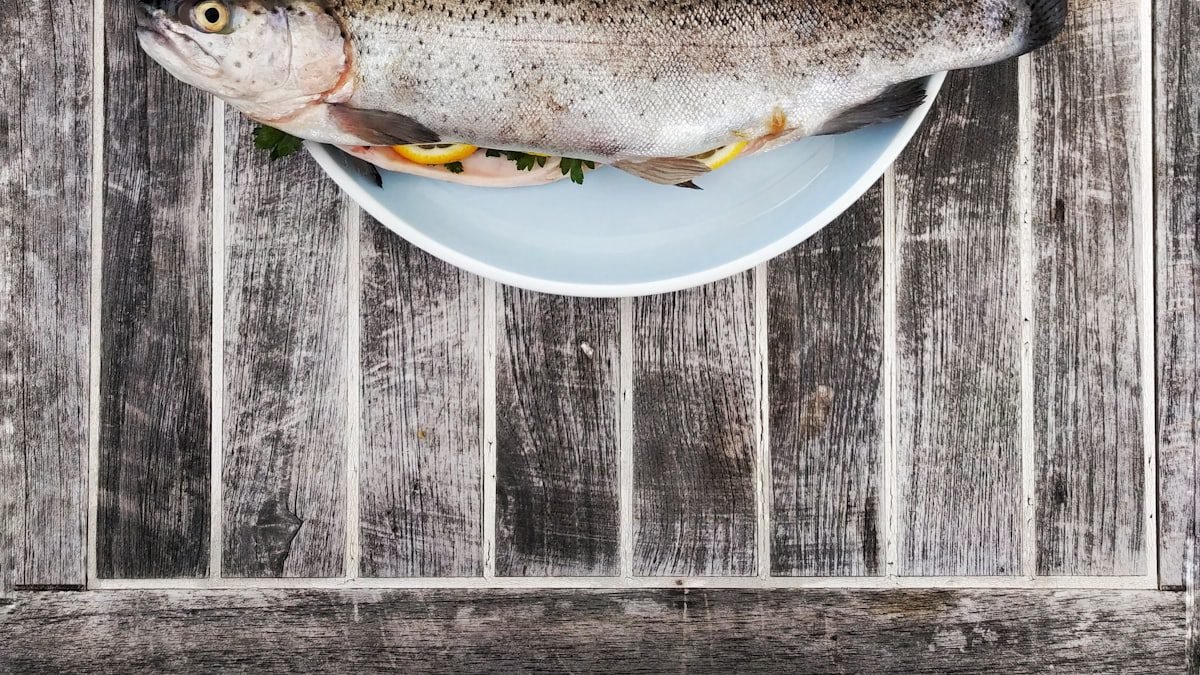
- Fish — especially small fish eaten with bones, for protein, calcium, and brain-friendly fats.
- Milk and yoghurt — calcium and protein for strong bones and muscles.
- Dal, beans, and chickpeas — budget-friendly plant protein and iron.
- Chicken and lean meat — protein and iron for muscle and blood.
- Leafy greens (spinach, lal shak) — iron, calcium, and vitamins.
Best Foods for Brain Power and Focus
- Fish — omega-3 fats support memory and concentration.
- Eggs — nutrients that aid brain function.
- Nuts and seeds — healthy fats and steady energy for study.
- Whole grains (oats, brown rice, whole-wheat roti) — slow-release energy that keeps focus steady, unlike sugary snacks that spike and crash.
- Fruits and vegetables — antioxidants and vitamins that support overall brain health.
- Water — even mild dehydration hurts concentration, so a water bottle at school matters.
Don’t Forget Iron — Especially for Girls
Iron deficiency (anaemia) is very common among Bangladeshi teenagers, particularly girls, and it causes exactly the tiredness and poor concentration that hurt studies. Iron-rich foods — red meat, liver, eggs, dark leafy greens, and beans — help, and pairing them with vitamin C (like lemon or fruit) improves absorption. If a teen is often tired, pale, or breathless, see a doctor for a simple check.
A Simple Brain-and-Growth Plate
Aim for each main meal to include: a protein (fish, egg, chicken, or dal), a generous helping of vegetables, a moderate portion of rice or roti (ideally some whole grain), and fruit or milk nearby. Half the plate vegetables and fruit, a quarter protein, and a quarter grains is an easy rule to picture.
Study-Day and Exam Eating
On heavy study or exam days, steady energy matters most. A protein-rich breakfast (like eggs), balanced meals, and brain-friendly snacks — fruit, nuts, yoghurt, a boiled egg — keep focus steady. Avoid loading up on sugary drinks and sweets, which cause an energy crash mid-study. And never skip breakfast before an exam.
A note for parents: A balanced plate gives healthy teenagers everything they need to grow and study well — supplements are not required and should never include weight-loss products. If you suspect a deficiency such as anaemia, see a doctor rather than self-medicating. For adults in the family who want extra micronutrient support from greens, a natural option like Spirulin Plus exists, but whole foods should always come first for the whole household.
Disclosure: This post contains an affiliate link. If you buy through it, we may earn a small commission at no extra cost to you. This is not medical advice; consult a doctor about your family’s nutrition and before giving any teenager a supplement.
Foods to Limit
Fried street snacks, packaged chips and biscuits, sugary drinks, and too many sweets fill teenagers up with empty calories and crowd out the nutrients they need. These are fine occasionally, but should not replace real meals. Making water the default drink and keeping healthy snacks handy makes a big difference.
Frequently Asked Questions
What foods help teenagers grow taller?
There is no single “height food”, but protein, calcium, and overall good nutrition support growth. Eggs, fish, milk, dal, and leafy greens are excellent, alongside enough sleep and activity.
What should teenagers eat for better concentration in studies?
Steady-energy foods: a protein breakfast, whole grains, fish, nuts, fruit, and plenty of water. Avoid sugary snacks and drinks that cause an energy crash.
Do teenagers need brain or growth supplements?
Healthy teens do not — a balanced diet provides what they need. Supplements should only be used if a doctor identifies a specific deficiency, such as iron for anaemia.
Why do so many teenage girls feel tired?
Iron-deficiency anaemia is common in teenage girls and causes tiredness and poor focus. Iron-rich foods with vitamin C help, and a doctor can confirm and treat it.
Final Thoughts
Feeding a growing, studying teenager well does not require expensive foods or supplements — just a balanced plate of local staples like eggs, fish, dal, milk, greens, fruit, and whole grains, with water instead of sugary drinks. Get the everyday foods right, and you give your teen the fuel to grow strong and think clearly.
Read next: our guides to nutrition for teenagers and healthy food habits for teens.