The teenage years are a period of rapid growth — bones lengthen, muscles develop, and the brain matures. All of that runs on good nutrition. Yet many teenagers in Bangladesh fill up on rice, fried snacks, and sugary drinks while missing the nutrients their growing bodies need. This practical guide explains what teens should eat, the common gaps to watch for, and how parents and teens can build healthy eating habits that last a lifetime.
Why Nutrition Matters So Much for Teenagers
Adolescence is one of the fastest growth phases in life, second only to infancy. Good nutrition during these years supports height and bone development, muscle growth, hormonal changes, energy for studies and sport, a strong immune system, and healthy concentration and mood. Habits formed now also tend to stick, shaping health for decades. Getting it right matters — but it does not have to be complicated.
The Key Nutrients Teens Need
Protein builds muscle and supports growth: fish, eggs, chicken, dal, beans, milk, and yoghurt.
Iron prevents anaemia, which is very common in Bangladeshi teenage girls: red meat, liver, eggs, dark leafy greens, and beans (pair with vitamin C to absorb it better).
Calcium and vitamin D build strong bones: milk, yoghurt, small fish eaten with bones, and some sunlight.
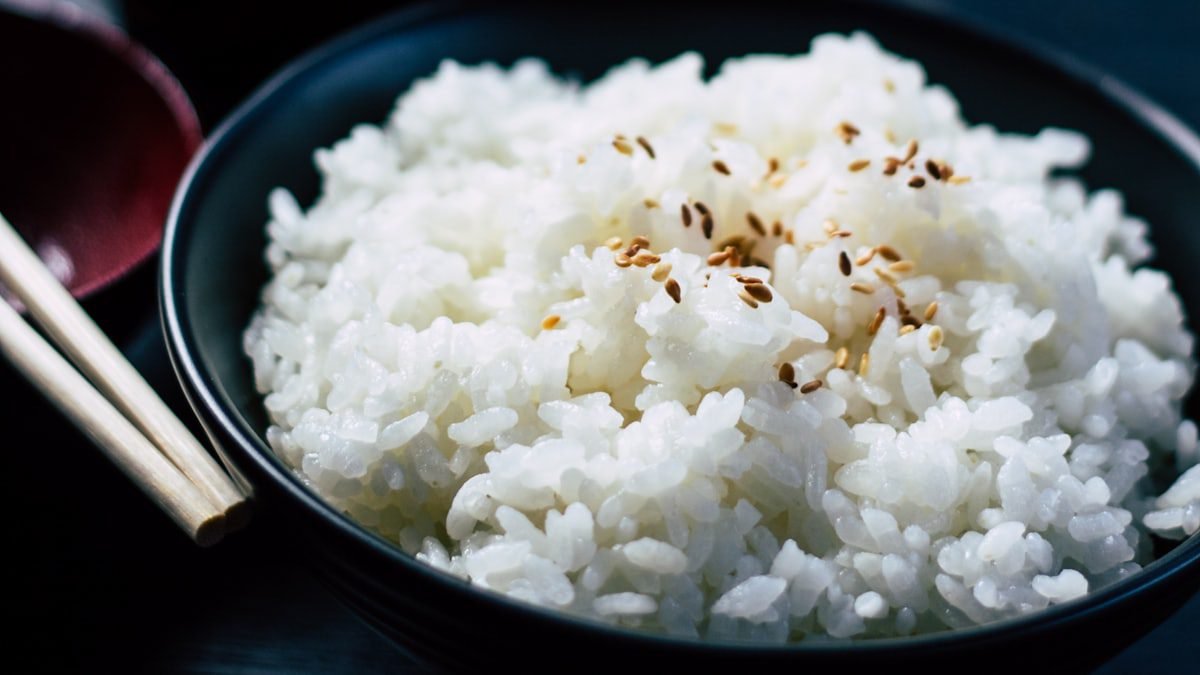
Whole carbohydrates for steady energy: brown rice, oats, whole-wheat roti, and vegetables — more filling than refined white rice alone.
Healthy fats for the brain: fish, nuts, and seeds.
Vitamins and fibre from plenty of colourful fruits and vegetables.
What a Healthy Teen Plate Looks Like in Bangladesh
You do not need foreign “superfoods” — a balanced Bangladeshi plate does the job. Aim for: a portion of protein (fish, egg, chicken, or dal) at each main meal; a generous helping of vegetables; a moderate portion of rice or roti (not an overflowing plate); fruit as a snack; and milk or yoghurt daily. Think of the plate as half vegetables and fruit, a quarter protein, and a quarter rice or roti.
Common Nutrition Problems in Teens — and Fixes
Skipping breakfast: Leaves teens tired and unfocused at school. Fix: a quick egg, some fruit, and milk, or leftover roti and vegetables.
Too much junk food and sugary drinks: Fills them up with empty calories. Fix: keep fruit, nuts, chana, and yoghurt as easy snacks; make sweet drinks an occasional treat.
Anaemia, especially in girls: Causes tiredness and poor concentration. Fix: iron-rich foods with vitamin C; see a doctor if very tired or pale.
Fad and crash diets: Dangerous during growth. Teens should not follow restrictive weight-loss diets — the goal is balanced eating and activity, not cutting food groups.
Not enough water: Fix: encourage water over soft drinks, especially in the heat.
Building Healthy Habits (For Parents and Teens)
Teenagers eat better when healthy food is available and normal at home. Parents can help by keeping nutritious snacks within reach, eating meals together, involving teens in cooking, and modelling good habits rather than lecturing. Teens can help themselves by eating breakfast, keeping fruit and nuts handy, drinking water, and not skipping meals. Small, consistent changes beat strict rules.
A note for parents: Healthy teenagers get everything they need from balanced meals and do not require supplements. Any supplement for a teen should only be used on the advice of a doctor or dietitian — never a weight-loss or “fat-burner” product. For adults in the household who struggle to eat enough greens and want extra micronutrient support, a natural option like Spirulin Plus exists, but food should always come first.
Disclosure: This post contains an affiliate link. If you buy through it, we may earn a small commission at no extra cost to you. This is not medical advice; consult a doctor about your family’s nutrition and before giving any teenager a supplement.
Nutrition for Active and Sporty Teens
Teenagers who play sport or exercise need a bit more fuel — mainly more balanced food, not supplements. Make sure they eat enough carbohydrates for energy, protein to repair muscles, and plenty of water. A normal balanced diet covers the needs of almost every active teen.
When to See a Doctor
Speak to a doctor if a teenager is unusually tired, pale, or dizzy; is losing or gaining weight rapidly; shows signs of disordered eating; or is a very picky eater missing whole food groups. A pediatrician or dietitian can check for issues like anaemia and give personalised advice.
Frequently Asked Questions
What should teenagers eat every day?
A balance of protein (fish, egg, chicken, dal), plenty of vegetables and fruit, moderate rice or roti, and milk or yoghurt, with water to drink. Half the plate vegetables and fruit is a good rule.
Do teenagers need supplements?
Healthy teens generally do not — a balanced diet provides what they need. Supplements should only be used if a doctor identifies a specific deficiency, such as iron for anaemia.
Why is iron so important for teenage girls?
Teenage girls lose iron through menstruation and are at high risk of anaemia, which causes tiredness and poor concentration. Iron-rich foods with vitamin C, and a doctor’s check if symptoms appear, help prevent it.
Should teenagers go on diets to lose weight?
Restrictive crash diets are not recommended during growth. If weight is a concern, focus on balanced eating, cutting sugary drinks and fried snacks, and staying active — ideally with a doctor’s guidance.
Final Thoughts
Good nutrition gives Bangladeshi teenagers the foundation for healthy growth, strong studies, and lifelong wellbeing. It does not require expensive foods or supplements — just a balanced plate, regular meals, less junk, and more water. Build these habits together as a family, and they will serve your teen for life.
Mohammad Ruman is the editor and researcher at Healthy Bangladesh. Every article is personally researched against WHO, ICDDR,B / MOHFW guidance and peer-reviewed medical literature, following our editorial policy. Last updated 14 Aug 2026.
Medical disclaimer: This article is for general information only and is not a substitute for professional medical advice, diagnosis or treatment. Always consult a qualified doctor about your health.
To provide the best experiences, we use technologies like cookies to store and/or access device information. Consenting to these technologies will allow us to process data such as browsing behavior or unique IDs on this site. Not consenting or withdrawing consent, may adversely affect certain features and functions.
Functional
Always active
The technical storage or access is strictly necessary for the legitimate purpose of enabling the use of a specific service explicitly requested by the subscriber or user, or for the sole purpose of carrying out the transmission of a communication over an electronic communications network.
Preferences
The technical storage or access is necessary for the legitimate purpose of storing preferences that are not requested by the subscriber or user.
Statistics
The technical storage or access that is used exclusively for statistical purposes.The technical storage or access that is used exclusively for anonymous statistical purposes. Without a subpoena, voluntary compliance on the part of your Internet Service Provider, or additional records from a third party, information stored or retrieved for this purpose alone cannot usually be used to identify you.
Marketing
The technical storage or access is required to create user profiles to send advertising, or to track the user on a website or across several websites for similar marketing purposes.