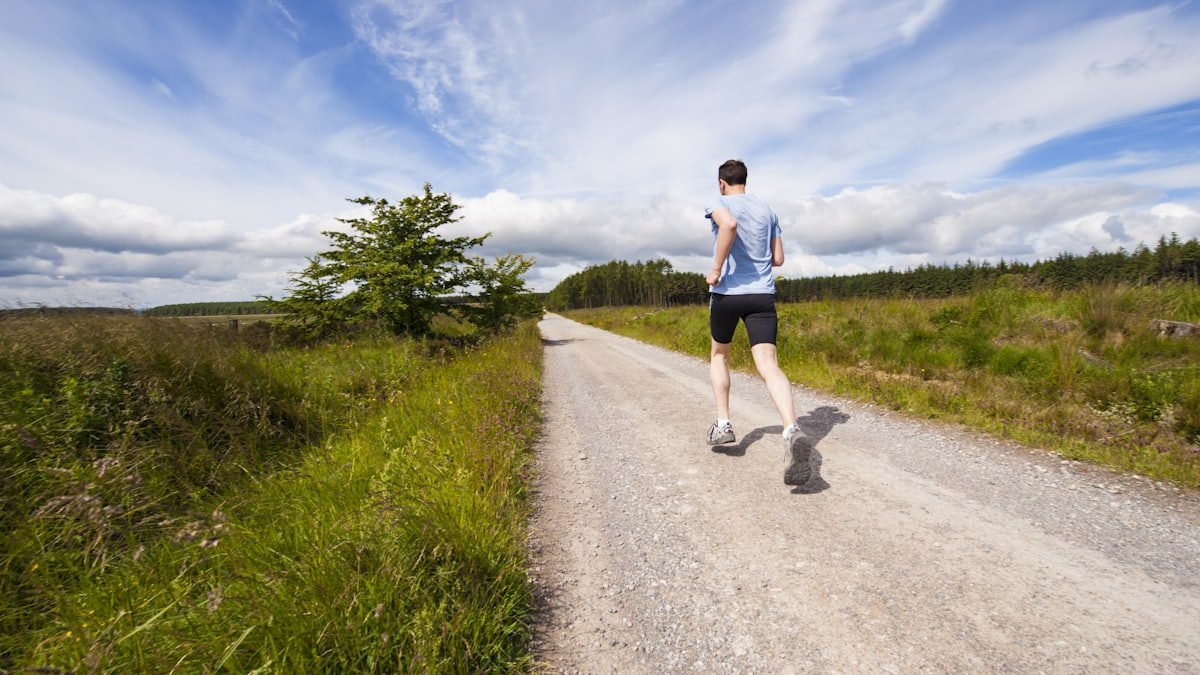
Imagine arriving at work energised instead of exhausted, skipping the traffic jams, saving money, and getting fit — all at the same time. That is exactly what bike commuting offers, and a growing number of people in Dhaka and across Bangladesh are discovering it. Cycling to work turns dead time stuck in traffic into a daily workout. This guide shows you how to start commuting by bike safely and comfortably.
Why Cycle to Work?
For many short-to-medium trips in Bangladesh’s cities, a bicycle is genuinely faster than a car or bus because it slips through gridlock. Beyond the time savings, cycling to work builds daily fitness without needing a separate gym session, saves fuel and fare money, and often leaves you feeling sharper and less stressed than a crawl through traffic would. It is exercise that fits into a day you are having anyway.
Is Bike Commuting Realistic for You?
Cycling to work suits trips up to roughly 5–10 km especially well. Consider your distance, the roads on your route, and whether your workplace has somewhere to park and freshen up. If your full commute is too long or too dangerous, a hybrid approach works: cycle part of the way, or ride to a transit point. Start with one or two days a week rather than committing to every day at once.
Planning a Safe Route
The busiest main roads are rarely the best cycling route. Spend a weekend scouting quieter parallel roads, lanes, and lakeside paths that get you most of the way with less traffic. In Dhaka, routes through and around areas like Hatirjheel, Dhanmondi, and Gulshan–Banani are calmer than the main arteries. Aim for a route that feels safe, even if it is slightly longer.
Timing Your Commute
Early starts are your friend: leaving a bit earlier means cooler air, lighter traffic, and a calmer ride. Bangladesh’s heat is real, so an early-morning commute is far more pleasant than a midday one. For the ride home, the evening is usually fine, though you will want good lights as it gets dark.
Staying Safe on the Roads
- Always wear a helmet — see our guide to cycling equipment in Bangladesh for the essentials.
- Be highly visible: bright or reflective clothing, plus a front and rear light — especially for the ride home.
- Ride predictably, keep to the left, signal your turns, and make eye contact with drivers.
- Stay alert at intersections, where most conflicts happen.
- Use a bell to alert pedestrians rather than weaving silently.
Arriving Fresh
The number-one worry about cycling to work is arriving sweaty. A few tricks help: ride at an easy, relaxed pace (you do not need to race), leave early so you are not rushing, carry a small towel and a change of shirt, and use wet wipes or a quick wash if your workplace has facilities. Rolling your work clothes in a backpack or pannier and changing on arrival keeps them neat.
Recommended support: If you want steady energy for daily commuting on top of a busy schedule, some people use a natural vitality supplement alongside good food and sleep. NuviaLab Vitality is one popular option for energy support — an optional add-on, not a substitute for rest and a balanced diet.
Disclosure: This post contains affiliate links. If you buy through them, we may earn a small commission at no extra cost to you. Supplements do not replace a balanced diet or good sleep; consult a doctor before starting any new product.
The Weight-Loss Bonus
Commuting by bike is one of the easiest ways to lose weight, because you do it automatically five days a week without carving out extra time. Combined with sensible eating, a daily ride to and from work can steadily trim your waistline. Some riders focused on weight loss also use a natural aid such as African Mango alongside their riding and diet — as a minor add-on, never a shortcut.
What You Need to Get Started
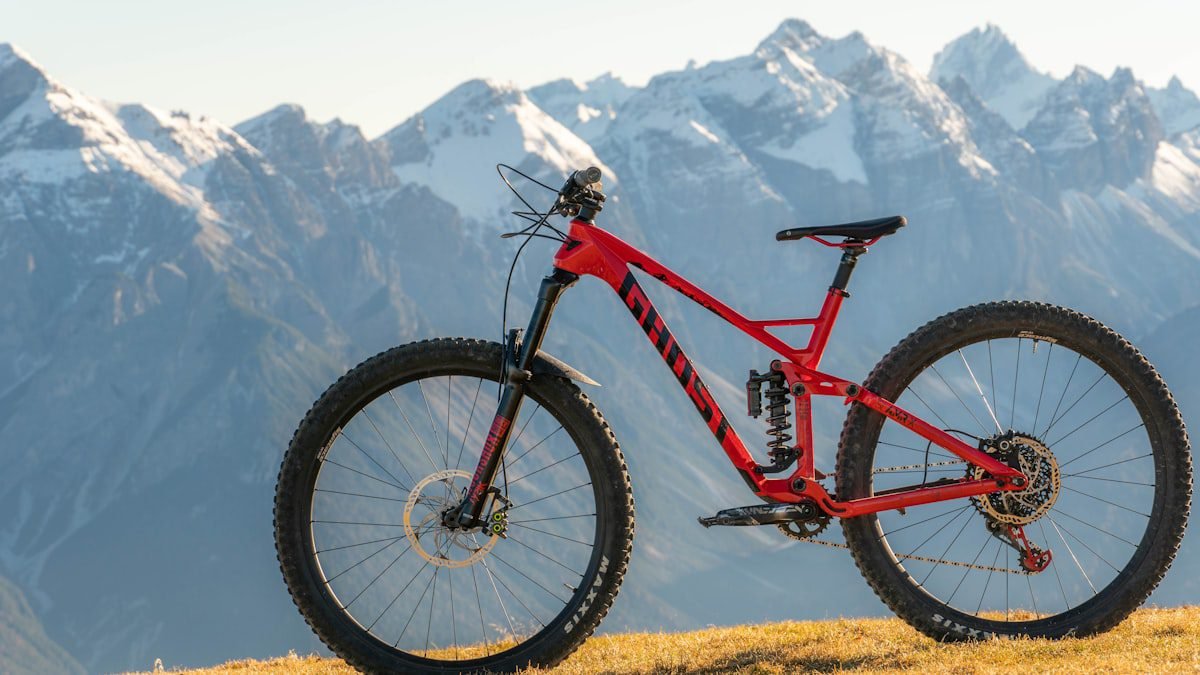
A reliable bicycle suited to city roads, a helmet, lights, a good lock, and a backpack or pannier for your things. A hybrid bike handles Bangladesh’s mixed roads well. If you are still choosing, our guide to the best bicycles in Bangladesh covers every budget.
Frequently Asked Questions
Is it safe to cycle to work in Dhaka?
It can be, with the right approach: choose quieter routes, ride early, always wear a helmet, use lights, and stay predictable. Start on calmer roads while you build confidence.
How far is too far to cycle to work?
Trips up to about 5–10 km are ideal for most people. For longer commutes, cycle part of the way or combine with transit rather than skipping it entirely.
How do I avoid arriving sweaty?
Ride at an easy pace, leave early, and carry a change of shirt and a small towel or wet wipes. Changing on arrival keeps your work clothes fresh.
Will cycling to work help me lose weight?
Yes. Because you ride most days automatically, bike commuting burns steady calories and, with sensible eating, supports gradual weight loss.
Final Thoughts
Cycling to work in Bangladesh turns a frustrating commute into fresh air, fitness, and savings. Plan a safe route, ride early and visibly, take it easy so you arrive fresh, and start with a day or two a week. Before long, beating the traffic on two wheels will be the best part of your day.
Ride more with our guides to cycling in Dhaka and cycling for weight loss.
Related reading: Electric Bicycles in Bangladesh: Price & Buying Guide