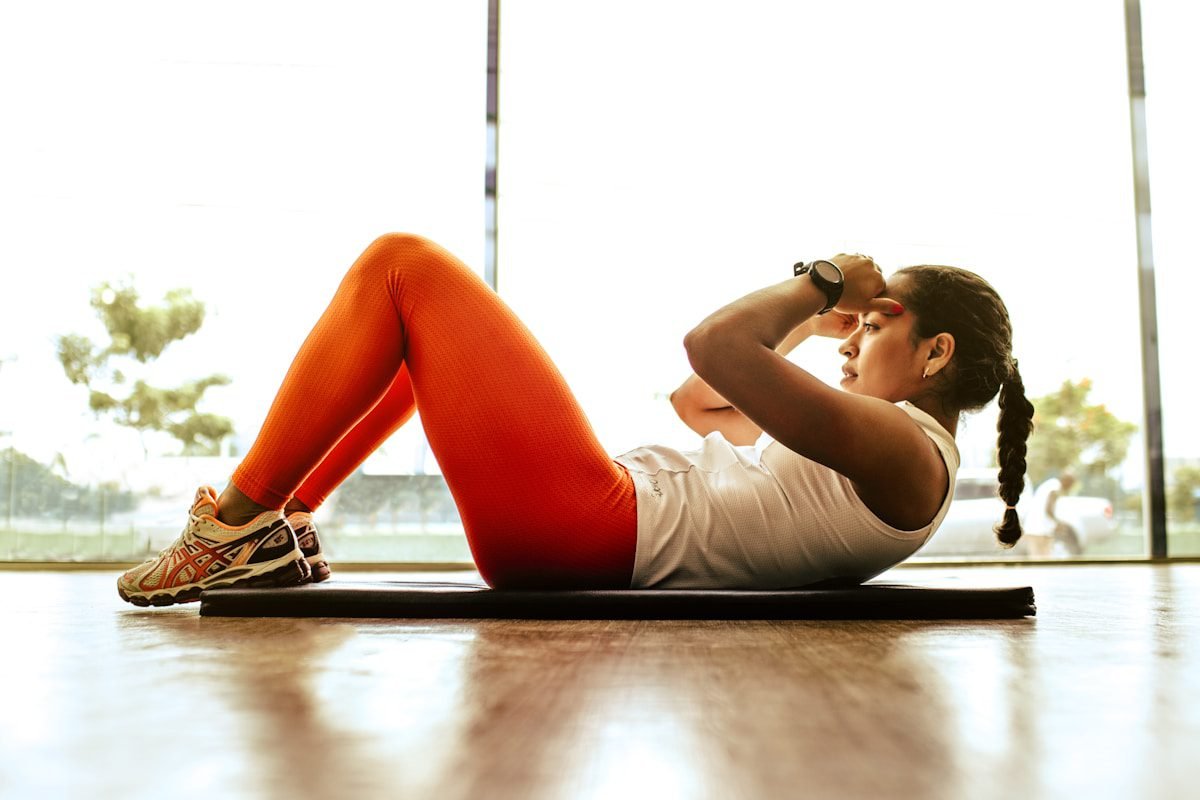
For many women in Bangladesh, going to a gym is not always practical — time, cost, childcare, or simply privacy can get in the way. The good news is you do not need one. With a small space at home and a little routine, you can build strength, tone up, lose fat, and feel more energetic entirely on your own terms. This is a complete, no-equipment home workout designed for women, with everything you need to start today.
Why Home Workouts Work So Well for Women
Exercising at home removes the biggest barriers: no commute, no fees, no waiting, and complete privacy to move at your own pace in your own space. You can fit sessions around work, children, and family, train early or late, and stay fully consistent — which is what actually delivers results. Using just your bodyweight, you can improve strength, tone your muscles, support bone health, and lift your mood and energy, all from your bedroom or living room floor.
Warm Up First (5 Minutes)
Always warm up to prevent injury and get more from your workout. Spend five minutes on light movement: marching in place, arm circles, gentle hip rotations, and a few easy bodyweight squats. You should feel warm and loose before you begin.
The No-Equipment Home Workout for Women
These bodyweight moves work every major muscle group. Do them as a circuit — one set of each, a short rest, then repeat the whole circuit 2–4 times depending on your level.
1. Bodyweight Squats — Legs and Glutes
Feet shoulder-width apart, lower your hips back and down as if sitting in a chair, then stand. Aim for 10–20 reps.
2. Knee or Wall Push-Ups — Upper Body
Push-ups from your knees, or standing against a wall for an easier start, build arm, chest, and shoulder strength. Aim for 6–15 reps.
3. Lunges — Legs, Balance, and Toning
Step forward and lower until both knees are about 90 degrees, then push back. Do 8–12 reps per leg.
4. Glute Bridges — Hips, Glutes, and Lower Back
Lie on your back, knees bent, and lift your hips into a straight line. Excellent for toning and for women recovering core strength. Do 12–20 reps.
5. Plank — Core and Posture
Hold a straight line on your forearms and toes (or knees), stomach tight. Hold 15–45 seconds.
6. Marching or Dancing — Cardio
Two minutes of fast marching, step-ups on a stair, or simply dancing to music raises your heart rate and burns extra calories.
A Simple Weekly Structure
- 3 days a week: the full circuit (2–4 rounds), with a rest day in between.
- 2 days a week: light home cardio — marching, dancing, or stair step-ups.
- Rest: at least 1–2 full rest days to recover.
Start with 2 rounds and shorter holds, then add rounds, reps, and time as you get stronger. Progress gently — a little more each week is how you improve without injury.
For Fat Loss vs. Toning
Want to lose fat? Move quickly between exercises, add home cardio, and — most importantly — clean up your diet, since fat loss is mostly decided in the kitchen. Want to tone and shape? Slow the movements down, do them with control, and gradually make them harder. Both depend on enough protein and good sleep. A common myth worth busting: bodyweight training will not make women “bulky” — it builds lean, toned strength.
Recommended support: If fat loss is your goal, some women use a natural metabolism-support supplement alongside home workouts and a balanced diet. NuviaLab Keto is one popular option — an optional add-on to consistent exercise and healthy eating, not a replacement. For skin and joint support as you get more active, some also use Collagen Select.
Disclosure: This post contains affiliate links. If you buy through them, we may earn a small commission at no extra cost to you. Supplements do not replace exercise or a balanced diet; consult a doctor before starting any new product, especially if you are pregnant or breastfeeding.
A Note for New Mothers and Beginners
If you are pregnant, recently gave birth, or have any health condition, check with your doctor before starting and begin very gently. Postnatal women in particular should ease back in with gentle movements like glute bridges and walking, and progress slowly.
Staying Consistent at Home
The hardest part is motivation, since no one is watching. Set a fixed time each day, clear a small dedicated space, and follow a free workout video if it helps. Track your sessions and pair up with a friend or sister for accountability. Even a 15-minute session counts — doing something most days beats a perfect workout once a week. On rest days, a gentle walk keeps you active.
What You Need to Get Started
Almost nothing: comfortable clothing, a non-slip surface or a simple exercise mat, and a water bottle. As you advance, an affordable resistance band or a pair of light dumbbells can add variety — but your bodyweight is enough to get started.
Frequently Asked Questions
Can women get fit at home without a gym?
Absolutely. Bodyweight exercises build real strength, tone muscles, and burn fat when done consistently and progressively. Many women get in excellent shape at home.
Will home workouts make me bulky?
No. Bodyweight training builds lean, toned strength, not bulk. Women generally do not gain large muscle from this kind of exercise.
How often should I work out at home?
Three strength-circuit days plus a couple of light cardio days works well, with one or two rest days for recovery.
Is home exercise safe after having a baby?
Ease back in gently and get your doctor’s clearance first. Start with gentle movements like glute bridges and walking, and build up slowly.
Final Thoughts
Getting fit at home is completely achievable for women in Bangladesh — no gym, no money, just a small space and a bit of routine. Warm up, work through the circuit a few times a week, eat well, and stay consistent, and you will see and feel the difference within weeks. Clear a little space and start your first round today.
Build a complete routine with our guides to walking for weight loss and running for weight loss.