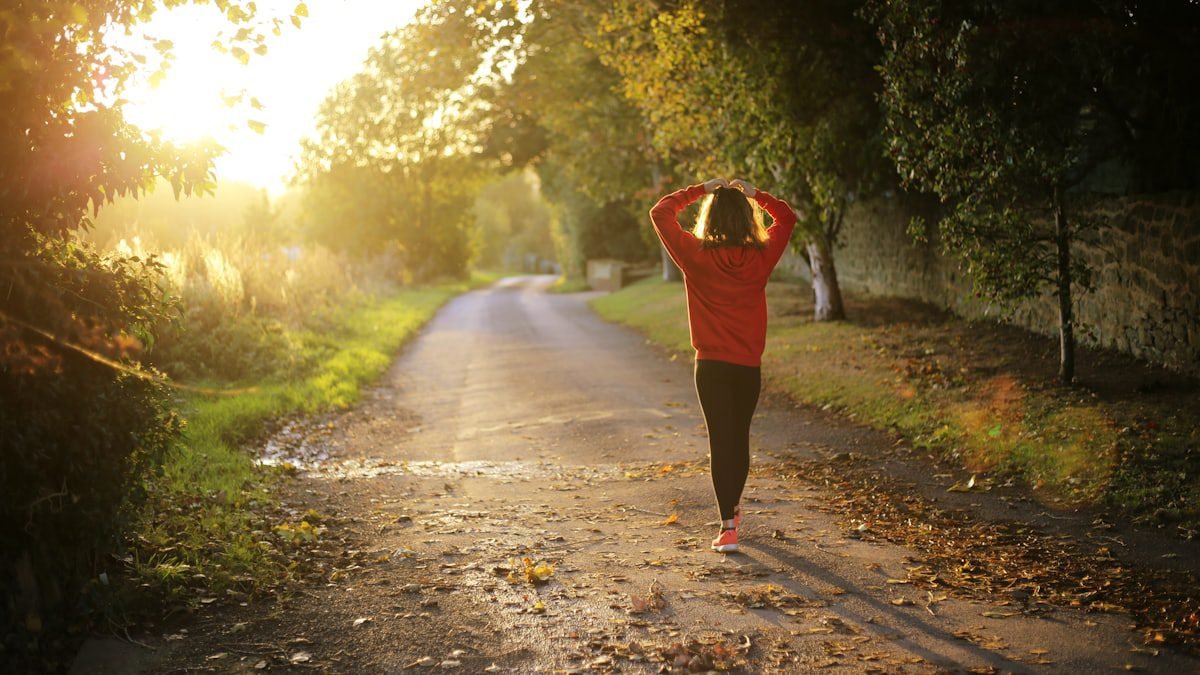
One of the easiest, most effective health habits you can build costs nothing and takes just ten minutes: a short walk after your meals. In a country where rich rice-based meals and rising diabetes are everyday realities, this simple habit can steady your blood sugar, ease digestion, and help manage weight. Here is why walking after meals works so well, and how to make it part of daily life in Bangladesh.
Why Walking After Meals Is So Powerful
When you eat, your blood sugar rises as your body digests the carbohydrates — and large portions of white rice can send it up sharply. A gentle walk afterward puts your muscles to work, and working muscles pull glucose out of your blood for energy, blunting that spike. Research shows that even a 10–15 minute walk after eating meaningfully lowers post-meal blood sugar, which matters enormously for the millions of Bangladeshis with or at risk of type 2 diabetes. It also helps digestion, reduces bloating, and burns a few extra calories at exactly the time your body needs it.
The Science in Simple Terms
Think of your bloodstream after a meal as a road suddenly flooded with sugar. Walking opens extra “exits” by making your muscles absorb glucose without needing much insulin. The result is a gentler rise and fall instead of a steep spike and crash — which means steadier energy, fewer cravings soon after, and less strain on your body over time.
How to Do It Right
- Timing: Start within about 30 minutes of finishing your meal, while blood sugar is climbing.
- Duration: Even 10 minutes helps; 15–20 is better.
- Pace: An easy, comfortable stroll is enough — this is not a workout, and a gentle pace also avoids digestive discomfort.
- Which meal: After any meal helps, but after dinner is especially valuable, since evening inactivity otherwise lets blood sugar sit high.
Making It Work in a Bangladeshi Day
You do not need a park or special time. A stroll around your neighbourhood, your building’s corridor or rooftop, or even pacing indoors all count. After lunch at work, a short walk around the office or block does the job. The key is to link the walk to the meal so it becomes automatic — finish eating, then walk, every time.
Extra Benefits Beyond Blood Sugar
- Better digestion and less bloating or heaviness after big meals.
- Weight management, as regular post-meal walks add up over weeks.
- Improved sleep when it is an after-dinner habit (finish a little before bed).
- Lower stress and a calmer end to the day.
Support Steady Blood Sugar With Your Plate Too
Walking works best alongside smart eating: moderate your rice portion, fill half the plate with vegetables, include protein (fish, egg, dal, chicken), and go easy on sugary drinks and sweets. Fibre-rich foods — vegetables, whole grains, dal — slow sugar absorption and keep you full.
Recommended support: If managing blood sugar is a goal, some people use a natural blood-sugar-support supplement alongside post-meal walks and a balanced diet. NuviaLab Sugar Control is one popular option — an optional add-on, not a replacement for healthy habits or any medication your doctor has prescribed.
Disclosure: This post contains affiliate links. If you buy through them, we may earn a small commission at no extra cost to you. Supplements are not a substitute for a balanced diet or medical care; consult your doctor before starting any new product, especially if you have diabetes.
A Note on Digestion and Fibre
If you often feel bloated or sluggish after meals, more fibre and water usually help alongside your walk. Aim to get fibre from vegetables, fruit, dal, and whole grains first; some people also use a fibre supplement such as Fibre Select as an extra, though whole foods should come first.
Who Should Take Care
Post-meal walking is safe for almost everyone. If you have diabetes and take insulin or certain medicines, be aware of low blood sugar during activity and follow your doctor’s advice. Anyone with a heart condition or who feels unwell should check with a doctor and keep the pace gentle.
Frequently Asked Questions
How long should I walk after eating?
Even 10 minutes helps lower post-meal blood sugar; 15–20 minutes is ideal. A gentle pace is enough.
When is the best time to walk after a meal?
Within about 30 minutes of finishing, while blood sugar is rising. After dinner is especially beneficial.
Does walking after meals help with weight loss?
It can contribute — it burns extra calories and improves blood-sugar control, which supports weight management when combined with sensible eating.
Is it bad to walk right after eating?
A gentle walk is beneficial, not harmful. Avoid intense exercise immediately after a large meal, which can cause discomfort — an easy stroll is perfect.
Final Thoughts
A ten-minute walk after your meals is one of the highest-return health habits available to anyone in Bangladesh — no cost, no equipment, big benefits for blood sugar, digestion, and weight. Link the walk to each meal, keep it gentle, and let this tiny habit protect your health for years. Start after your very next meal.
Keep building healthy movement with our guides to walking for weight loss and walking for heart health.