For much of the year, breathing in Dhaka means inhaling some of the dirtiest air on the planet. Air pollution is not just an environmental headline in Bangladesh — it is a daily health threat that quietly damages your lungs, heart and even your children’s development. The good news is that while you can’t fix the city’s air alone, you can meaningfully reduce how much of it harms you and your family. This guide explains what’s in Dhaka’s air, what it does to your body, and the practical, affordable steps that actually protect you.
Just How Bad Is Dhaka’s Air?
Very bad, and getting worse in winter. In 2024 Dhaka’s average fine-particle (PM2.5) level was around 78 micrograms per cubic metre — roughly 15 times higher than the World Health Organization’s recommended annual limit of 5 µg/m³, according to IQAir. Bangladesh regularly ranks as one of the two or three most polluted countries in the world, and on bad winter mornings Dhaka tops the global live rankings for the worst air of any major city.
PM2.5 is the dangerous part. These particles are so tiny they slip past your nose and throat, lodge deep in your lungs, and pass into your bloodstream. In Dhaka they come mainly from brick kilns ringing the city, vehicle exhaust from dense traffic, construction and road dust, and industrial emissions. Winter is worst because cool, still air traps pollutants close to the ground instead of letting them disperse.
What Air Pollution Does to Your Body
The World Health Organization links fine-particle pollution to a long list of serious conditions, and research by the Centre for Research on Energy and Clean Air estimates that dirty air causes tens of thousands of premature deaths in Bangladesh every year. The main effects:
- Lungs: coughing, wheezing, reduced lung function, and worsening of asthma, bronchitis and COPD.
- Heart and blood vessels: higher risk of heart attacks, high blood pressure and stroke — PM2.5 inflames the whole cardiovascular system.
- Pregnancy and newborns: links to low birth weight and premature birth.
- Children: more asthma and chest infections, slower lung growth, and effects on concentration and learning.
- Long term: a recognised cause of lung cancer and a contributor to diabetes and dementia risk.
You often feel the short-term effects without naming them: a scratchy throat, burning eyes, headaches, a lingering “winter cough,” or feeling unusually tired on smoggy days.
Who Is Most at Risk
Everyone breathing Dhaka’s air is affected, but some groups need extra care: young children and babies, pregnant women, older adults, anyone with asthma, allergies or heart and lung disease, and people who work outdoors for long hours — rickshaw pullers, traffic police, construction and garment workers, and street vendors. If you or your child fall into these groups, the protective steps below matter most.
How to Protect Yourself Outdoors
- Check the air before you go out. Free apps (IQAir AirVisual, AQI.in) show Dhaka’s live AQI. On “unhealthy” (red) or worse days, cut back on time outside and skip outdoor exercise.
- Avoid the worst times and places. Pollution peaks during rush-hour traffic and on cold, still winter mornings. Walk on quieter side streets rather than beside main roads, where exhaust is thickest.
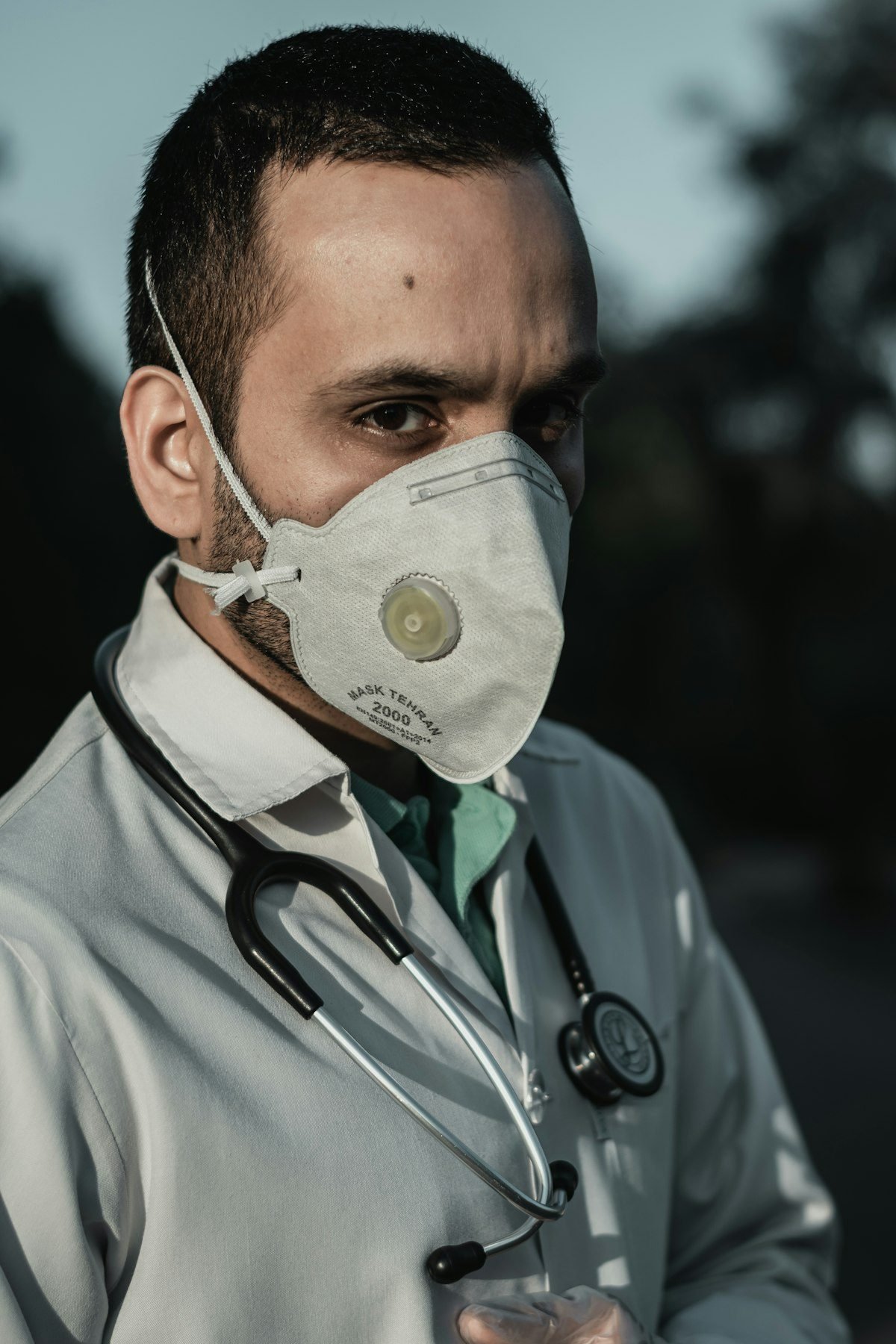
- Wear a mask that actually works. Cloth and thin surgical masks do little against PM2.5. A well-fitting N95 or KN95 respirator filters most fine particles — it must seal around your nose and mouth to help.
- Don’t exercise beside traffic. Deep breathing next to a busy road pulls in far more pollution; move workouts to early morning parks, indoors, or lower-traffic areas. Our guide to walking in Dhaka covers timing and safer routes.
How to Protect the Air Inside Your Home
Indoor air is your refuge — but only if you manage it, because outdoor pollution seeps in and indoor cooking smoke adds to it.
- Time your ventilation. Air the house when pollution is lowest (usually early afternoon), and keep windows closed on heavily polluted mornings and evenings.
- Vent your kitchen. Cooking — especially frying and any biomass or gas smoke — spikes indoor particles. Use an exhaust fan or open a window while cooking, and never burn coils or rubbish indoors.
- Consider a HEPA air purifier for the bedroom if you can afford one — it genuinely lowers indoor PM2.5, which matters most where you sleep. Match the unit to your room size.
- Cut indoor smoke sources. No indoor smoking, and reduce mosquito coils and incense, which release fine particles.
- Damp-dust and mop rather than dry-sweeping, which just throws dust back into the air.
Eat to Help Your Body Cope
You can’t “detox” pollution with food, but a diet rich in antioxidants helps your body handle the oxidative stress that PM2.5 causes. Build your plate around what’s cheap and local:
- Vitamin-C-rich fruit — guava (peyara), amloki, lemon, orange — to support your airways and immunity.
- Dark leafy shak and colourful vegetables for a broad range of protective antioxidants.
- Omega-3 from small oily fish (mola, kachki, hilsa), which helps calm inflammation.
- Plenty of water and warm fluids to keep airways moist and clear.
Our guide to immune-boosting foods in Bangladesh has more on building these into everyday meals.
Protecting Children From Dirty Air
Children breathe faster than adults and their lungs are still developing, so they absorb proportionally more pollution. On high-pollution days, keep young children indoors as much as possible and move play inside. For the school commute, a properly fitted child-size mask helps, and choosing routes away from the busiest roads reduces exposure. Good nutrition matters too — see our guide to children’s nutrition and growth.
When to See a Doctor
See a doctor if you or your child have a cough that won’t settle, wheezing or shortness of breath, chest tightness or pain, or asthma that is flaring more than usual. Anyone with existing heart or lung disease should have a clear action plan for high-pollution periods. Don’t dismiss a persistent “winter cough” as normal — in Dhaka it is often the air, and it deserves proper assessment.
Frequently Asked Questions
Do cloth or surgical masks protect against air pollution?
Not much. They’re designed for droplets, not the tiny PM2.5 particles that dominate Dhaka’s pollution. For real protection you need a well-fitting N95 or KN95 respirator that seals around your face.
Are air purifiers worth it in Bangladesh?
A good HEPA purifier does measurably lower indoor fine-particle levels, which is valuable given how much time you spend at home. It’s an investment — prioritise the bedroom, and match the unit to the room size. It complements, not replaces, sensible ventilation.
Is it safe to exercise outdoors in winter?
On low-pollution days, yes — exercise is still good for you. But on red or worse AQI days, and beside heavy traffic, exercise moves more polluted air into your lungs. Check the AQI first and move workouts indoors or to a park when the air is bad.
Do indoor plants clean the air?
Barely, in any practical sense. A few houseplants look nice but remove almost no PM2.5 from a real room. Ventilation timing, reducing indoor smoke and a HEPA purifier do far more.
The Bottom Line
Dhaka’s air is a genuine, year-round health risk — worst in winter — but you are not powerless. Check the daily AQI, wear a proper N95 mask on bad days, protect your indoor air, avoid exercising beside traffic, and eat plenty of antioxidant-rich local food. These simple habits meaningfully cut how much pollution reaches your lungs, and they matter most for children, older people and anyone with heart or lung conditions.
This article is for educational purposes only and is not a substitute for professional medical advice. If you have breathing difficulties or a chronic condition affected by air quality, please consult a qualified doctor.
Sources: World Health Organization — Ambient (outdoor) air quality and health; IQAir — Dhaka air quality; Centre for Research on Energy and Clean Air — public health impacts of fine-particle air pollution in Bangladesh.