🩺 Reviewed for Accuracy • Healthy Bangladesh Editorial Team Content verified against the Harvard T.H. Chan School of Public Health and WHO. For informational purposes only — not a substitute for medical advice. Our editorial standards →
Affiliate Disclosure: This article contains affiliate links. We may earn a commission at no extra cost to you. | Reviewed against the Harvard T.H. Chan School of Public Health guidance on nutrition and immunity and WHO healthy-diet recommendations.
You Cannot “Boost” Immunity With One Magic Food — But What You Eat Every Day Genuinely Builds Your Defences
When it comes to immune-boosting foods, your everyday plate matters more than any expensive pill. Every flu season and dengue outbreak, the same promises appear: this one fruit, this one drink, this one pill will supercharge your immunity. The reality, as the Harvard T.H. Chan School of Public Health explains, is quieter and more useful: no single food or supplement “boosts” the immune system, but a consistently good diet gives your body the raw materials it needs to defend itself. Your immune system is a team of cells that need protein, vitamins, minerals and a healthy gut to work — and in Bangladesh, with seasonal flu, dengue, typhoid and stomach infections all common, keeping that team well-fed matters year-round.
Crucially, much of your immunity lives in your gut — a large share of immune cells reside in the digestive tract, which is why fibre and fermented foods matter as much as vitamin C. The goal is not one hero food but a varied, colourful plate, most days.
No single food
“Boosts” immunity — the whole diet does (Harvard)
Gut = key
Much of the immune system lives in the gut
C · D · Zinc
The key immune micronutrients
The Immune-Supporting Nutrients — and Local Foods Rich in Them
Nutrient
Why it matters
Local sources
Vitamin C
Supports immune-cell function & iron absorption
Amloki, guava, lemon, orange, green chilli, tomato
Doi (yoghurt), fermented foods, shak, vegetables, whole grains
Antioxidants
Protect cells from stress
Colourful fruit & veg, ginger, garlic, turmeric
Everyday Habits That Support Immunity
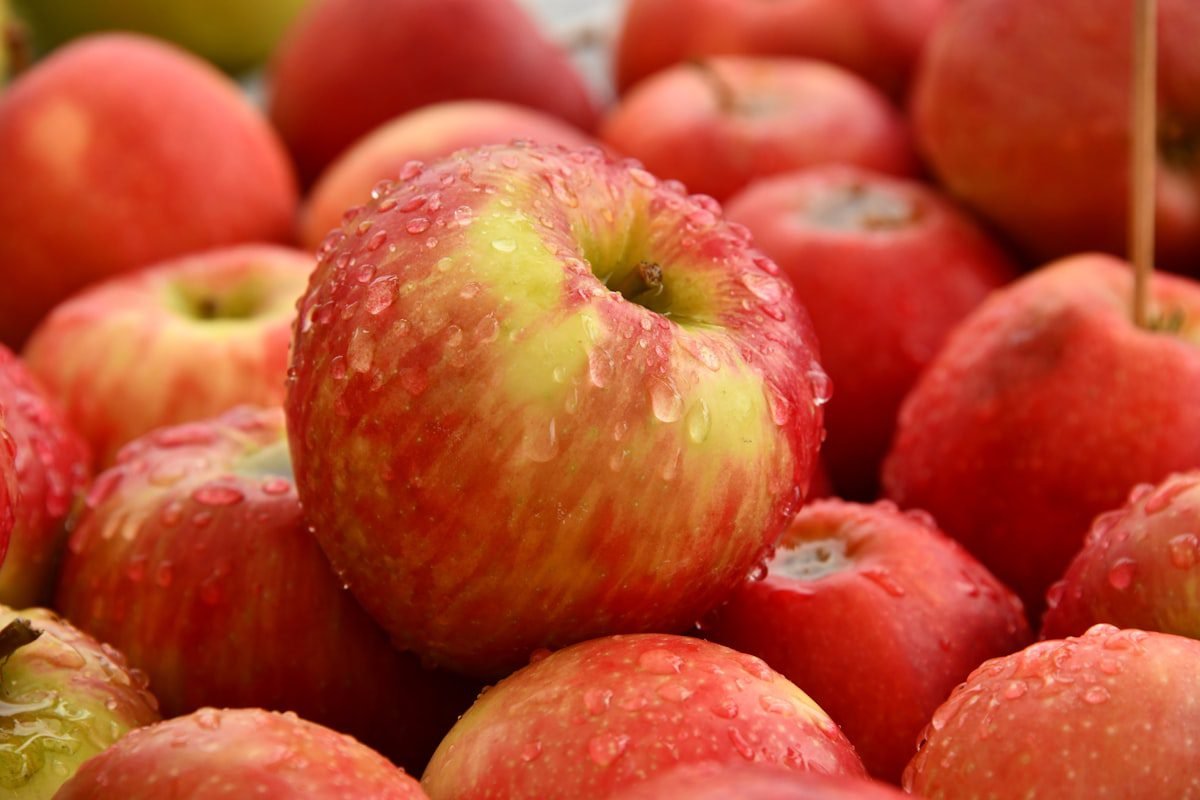
Eat the rainbow. Different coloured fruits and vegetables supply different protective compounds — variety beats any single “superfood.”
Mind your gut. Daily doi, fibre-rich vegetables and whole grains keep the gut immune system strong — see our gut-health guide.
Don’t forget sleep and stress. Poor sleep and chronic stress measurably weaken immunity — see our sleep guide.
Use ginger, garlic and turmeric. These everyday kitchen staples add antioxidants and flavour with no downside.
🌿 RECOMMENDED FOR BANGLADESH
NuviaLab Immune — Daily Support for Your Body’s Defences
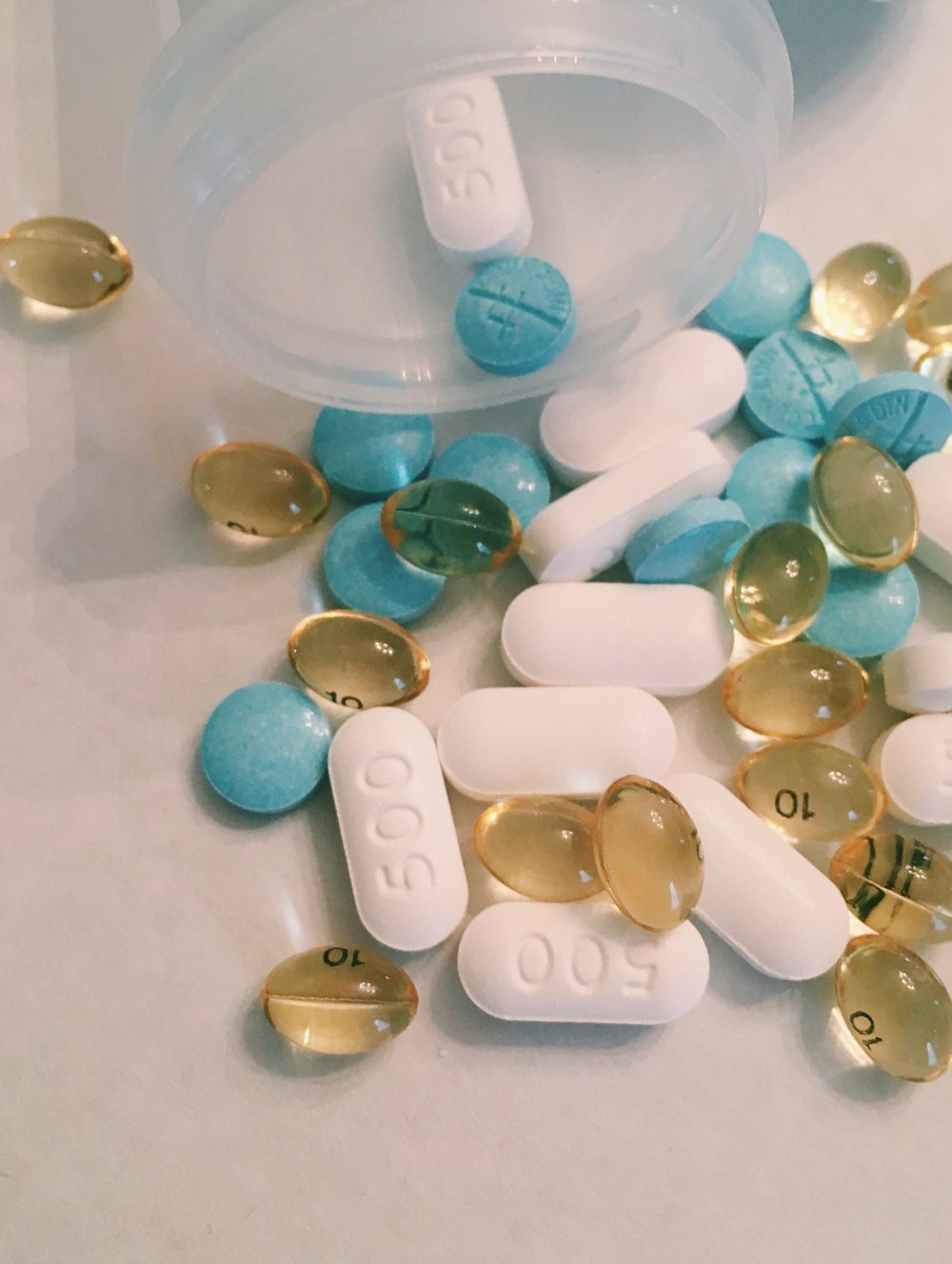
When your diet is not consistently varied — or during high-risk seasons — a targeted supplement can help cover the key immune nutrients. NuviaLab Immune brings together vitamin C, vitamin D, zinc and selenium — the micronutrients that contribute to the normal function of the immune system — alongside botanical extracts like elderberry and blackcurrant. For busy people who cannot always eat a perfect rainbow plate, it is a convenient daily top-up during flu season and stressful stretches. It supports a healthy lifestyle — it does not replace a good diet, sleep and hygiene, which remain your first line of defence.
🌿 Also worth a look: because vitamin D is so widely low here and central to immunity, a daily Vitamin D is one of the highest-value additions for most Bangladeshis.
Scientific References
Harvard T.H. Chan School of Public Health — Nutrition and immunity (no single food boosts immunity; whole-diet approach). nutritionsource.hsph.harvard.edu
World Health Organization — Healthy diet, fact sheet. who.int
This article is for educational purposes only. Consult a healthcare professional before starting any supplement, especially if you are pregnant, breastfeeding, or managing a health condition.
Protein — egg, fish, chicken, dal (needed to build immune cells)
Zinc foods — nuts, seeds, meat
Yoghurt (doi) — supports gut bacteria linked to immunity
Garlic, ginger and turmeric — everyday kitchen staples with supportive compounds
Colourful vegetables — a variety covers most micronutrient needs
Beyond food: what matters just as much
No single food “boosts” immunity overnight — that’s a marketing myth. What reliably supports your immune system is the whole package: 7–8 hours of sleep, regular exercise, managing stress, not smoking, and correcting deficiencies like vitamin D and zinc. Food gives the raw materials; these habits let your body use them.
Do immunity-boosting supplements work?
For most people a varied diet is enough. Supplements help mainly when you are deficient (for example vitamin D or zinc) — test first rather than taking high doses blindly.
This article is general information, not medical advice. If symptoms persist or worry you, please see a doctor.
Mohammad Ruman is the editor and researcher at Healthy Bangladesh. Every article is personally researched against WHO, ICDDR,B / MOHFW guidance and peer-reviewed medical literature, following our editorial policy. Last updated 22 Aug 2026.
Medical disclaimer: This article is for general information only and is not a substitute for professional medical advice, diagnosis or treatment. Always consult a qualified doctor about your health.
To provide the best experiences, we use technologies like cookies to store and/or access device information. Consenting to these technologies will allow us to process data such as browsing behavior or unique IDs on this site. Not consenting or withdrawing consent, may adversely affect certain features and functions.
Functional
Always active
The technical storage or access is strictly necessary for the legitimate purpose of enabling the use of a specific service explicitly requested by the subscriber or user, or for the sole purpose of carrying out the transmission of a communication over an electronic communications network.
Preferences
The technical storage or access is necessary for the legitimate purpose of storing preferences that are not requested by the subscriber or user.
Statistics
The technical storage or access that is used exclusively for statistical purposes.The technical storage or access that is used exclusively for anonymous statistical purposes. Without a subpoena, voluntary compliance on the part of your Internet Service Provider, or additional records from a third party, information stored or retrieved for this purpose alone cannot usually be used to identify you.
Marketing
The technical storage or access is required to create user profiles to send advertising, or to track the user on a website or across several websites for similar marketing purposes.