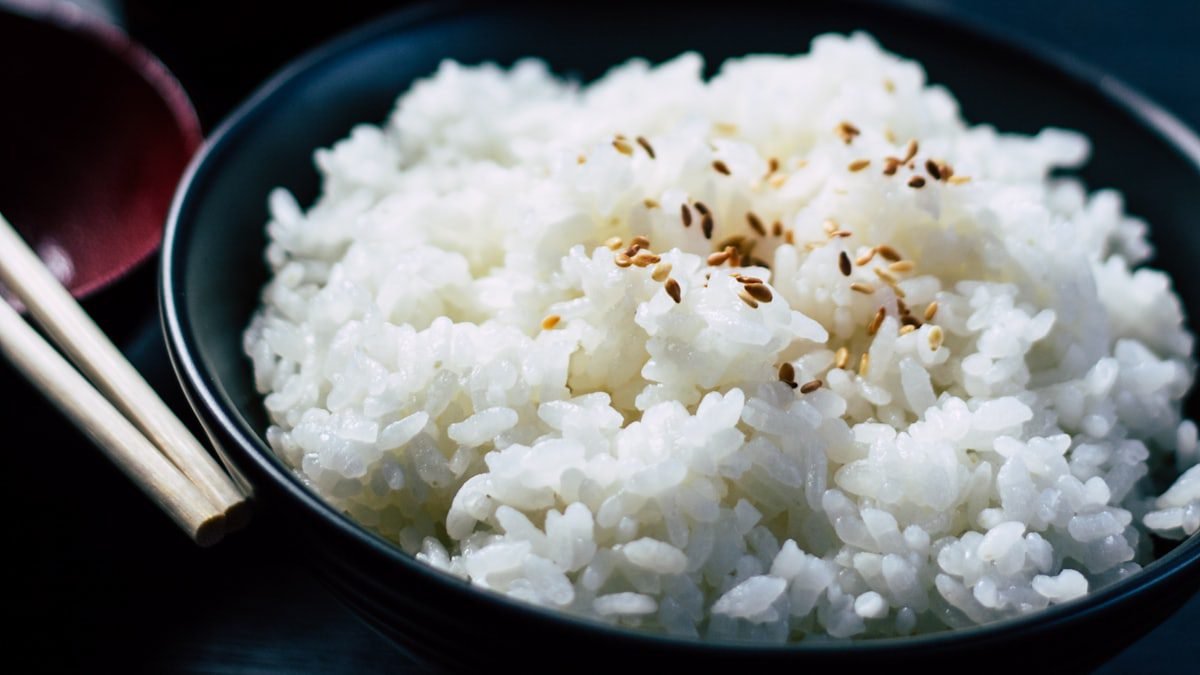
Eating healthily in Bangladesh does not mean giving up rice, following a strict diet, or spending a fortune on special foods. It means a handful of small, sustainable habits that quietly transform your health over time. This guide shares ten simple, realistic changes — built around everyday Bangladeshi food — that add up to steadier energy, a healthier weight, and lower risk of the diseases on the rise across the country.
Why Small Habits Beat Strict Diets
Crash diets fail because they are extreme and temporary. Real, lasting health comes from small changes you can keep forever. You do not need to overhaul your plate overnight — adjusting a few daily habits, one at a time, is far more powerful and much easier to sustain. Here are ten that make the biggest difference.
10 Small Changes That Add Up
1. Right-Size Your Rice
Rice is not the enemy, but oversized portions are. Serve a moderate amount and fill the extra space with vegetables and protein. This single change helps weight and blood sugar more than almost anything.
2. Make Half Your Plate Vegetables
Aim for half the plate to be vegetables at main meals. They add fibre, vitamins, and fullness for very few calories.
3. Add Protein to Every Meal
Egg, fish, dal, chicken, or yoghurt at each meal keeps you full and steadies energy, reducing snacking later.
4. Drink Water, Not Sugar
Soft drinks, packaged juices, and very sweet tea add hidden sugar. Make water your default and treat sweet drinks as occasional.
5. Snack Smart
Keep fruit, nuts, chana, or yoghurt handy instead of chips, singara, and biscuits. The easy option becomes the healthy one.
6. Do Not Skip Breakfast
A balanced breakfast prevents the extreme hunger that drives overeating and junk snacking later in the day.
7. Cook at Home More Often
Home cooking lets you control oil, salt, and sugar. Even shifting a few restaurant or fast-food meals to home cooking helps.
8. Go Easy on Fried and Oily Foods
Enjoy them occasionally rather than daily. Boiling, grilling, and light cooking cut a lot of hidden calories.
9. Eat Mindfully, Not on Screens
Eating while scrolling leads to overeating. Sit down, slow down, and let your body register fullness.
10. Walk After Meals
A short walk after eating aids digestion and blood sugar — a habit that pairs perfectly with healthy eating.
How to Actually Make Them Stick
Do not try all ten at once. Pick one or two, practise them until they feel automatic (usually a couple of weeks), then add another. Stock your kitchen so the healthy choice is the easy choice, and involve your family so healthy eating becomes normal at home. Progress, not perfection, is the goal — an occasional treat is part of a healthy life.
Recommended support: If controlling cravings and portion sizes is your biggest struggle, some people use a natural appetite-support supplement alongside these habits and a balanced diet. Crave Burner is one popular option — a small add-on to good habits, never a replacement for them.
Disclosure: This post contains affiliate links. If you buy through them, we may earn a small commission at no extra cost to you. Supplements are not a substitute for a balanced diet; consult your doctor before starting any new product.
A Word on Energy and Metabolism
Healthy eating naturally steadies your energy, but if you want a gentle daily lift, unsweetened green tea is a great habit. Some people also use a natural metabolism-support option such as Matcha Extreme alongside balanced meals — as a minor add-on, not a substitute for whole foods and good sleep.
Frequently Asked Questions
Do I have to give up rice to eat healthily?
No. You just need moderate portions balanced with plenty of vegetables and protein. Rice fits fine in a healthy Bangladeshi diet.
What is the single most impactful eating habit to change?
For many people, right-sizing rice portions and swapping sugary drinks for water deliver the biggest, fastest benefits.
How long does it take to build a healthy eating habit?
Usually a couple of weeks of repetition for a habit to feel automatic. Add one change at a time rather than overhauling everything at once.
Is healthy eating expensive in Bangladesh?
No. Staples like dal, eggs, seasonal vegetables, and fish are affordable and nutritious. Healthy eating is often cheaper than frequent junk and restaurant food.
Final Thoughts
You do not need a perfect diet — just a few good habits repeated daily. Right-size the rice, load up on vegetables and protein, drink water, snack smart, and keep it consistent. Start with one change today, and let these small shifts add up to lasting health for you and your family.
Read next: our guides to high-protein foods in Bangladesh and weight loss in Bangladesh. Also see our healthy breakfast ideas in Bangladesh.